
Latest
Top 5 Mobility Issues in Dogs & How Alternative Therapies Can Help

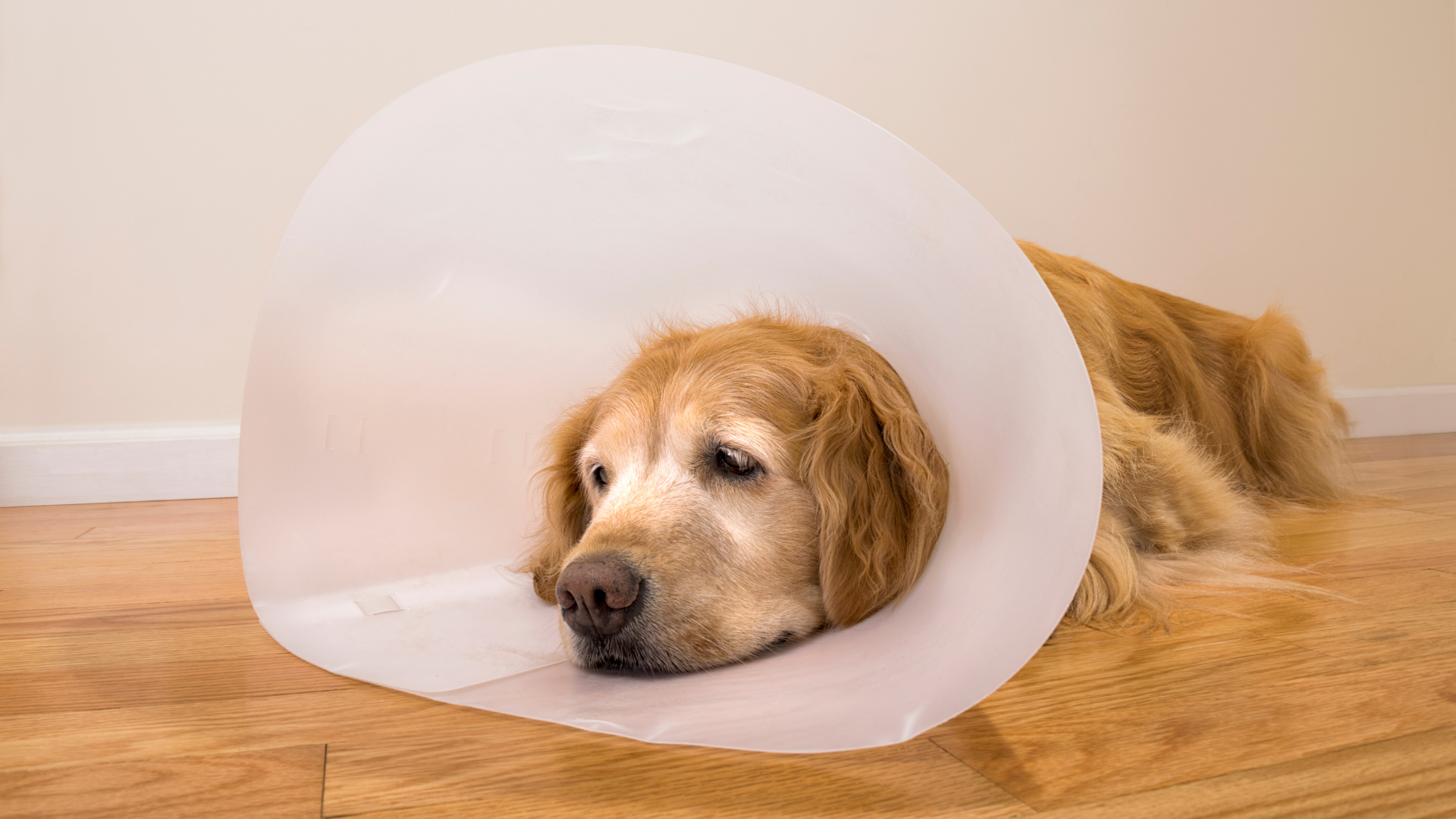
Mobility problems are among the most common health issues that dog owners face. It usually occurs in old age dogs, but young dogs can also be affected. Whether your dog is slowing down with age or healing from an injury, noticing the little changes early and giving them the right care can make them feel so much better.
Beyond traditional veterinary treatments, many owners are now turning to adjunct and alternative therapies, including ANF Animal Therapy®, to support body mechanisms that enhance mobility, reduce pain, and speed up recovery.
Top 5 Mobility Issues in Dogs:
Several factors can contribute to mobility issues in dogs. But the following five are the most common.
1. Arthritis (Osteoarthritis & Degenerative Joint Disease)
Arthritis in dogs, also known as canine arthritis, affects many dogs over 8 years old. It's a tough time for the owner to see their dogs in pain during everyday physical activities. The symptoms of canine arthritis are as follows.
- Stiffness when getting up
- Slowing down on walks
- Difficulty with stairs or jumping
- Occasional limping or reluctance to exercise
2. Canine Hip Dysplasia
Canine hip dysplasia is a painful condition in which the hip joint forms improperly, leading to looseness, pain, and arthritis. It often affects large breeds and can cause stiffness, difficulty moving, and reduced mobility. The signs and symptoms of canine hip dysplasia are as follows:
- Bunny hopping when running
- Hind limb weakness
- Difficulty rising
- Sensitivity around the hips
3. Cruciate Ligament Injuries (CCL Tears)
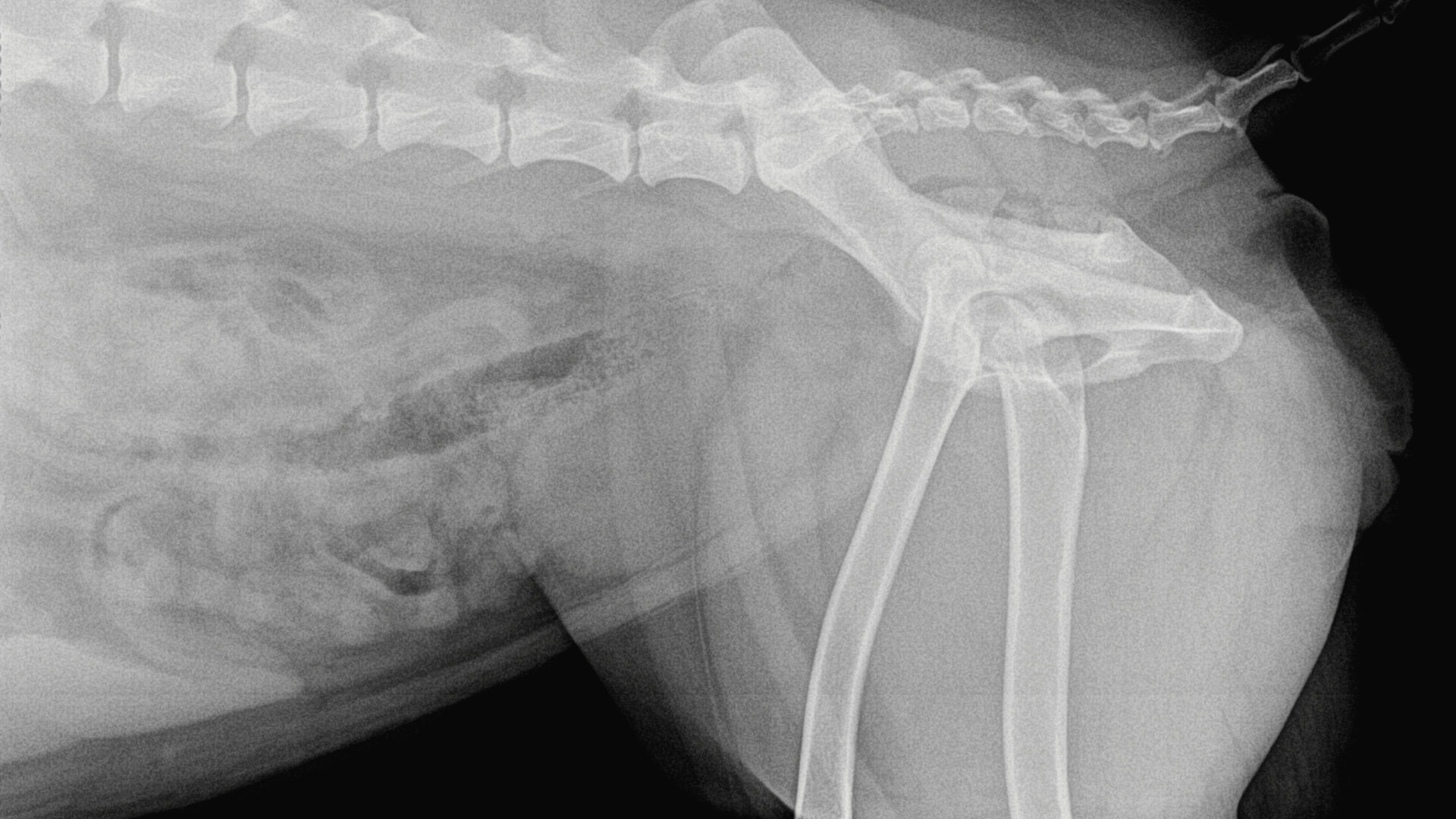
Knee injuries and CCL tears are the most common injuries among dogs. This can occur at any age. It is usually caused by activity, breed, weight, and age. CCL tears range from mild or partial to complete or more severe.
- During partial tears, dogs may show mild lameness, stiffness, or reluctance to run and jump. Symptoms can come and go, and the dog may still be able to bear some weight on the leg.
- Complete tear: Dogs usually have sudden, severe lameness, swelling, and difficulty putting weight on the leg. You may notice a “toe-touching” gait or the leg giving out.
4. Intervertebral Disc Disease (IVDD) & Back Pain
Intervertebral disc disease (IVDD) is a spinal condition in which the cushioning discs between the vertebrae bulge or burst, creating pressure on the spinal cord. This can lead to severe back pain, nerve damage, or sometimes paralysis. It can occur due to a sudden jump or twist and tends to affect older age dogs. The common signs and symptoms of IVDD are:
- Stiff or hunched posture
- Crying when picked up
- Knuckling or dragging paws
- Difficulty balancing
- Weakness in the legs
- Loss of mobility or paralysis
- Reluctant to move
5. Sarcopenia
Sarcopenia is the age-related loss of muscle mass and strength. As your dogs age, they lose muscle mass. However, it can also affect those dogs who are weak, inactive, or have a serious illness. Sarcopenia is usually caused by aging, arthritis, and poor nutrition. The signs and symptoms include:
- Muscle loss, especially in the hind legs and along the spine
- Slow movement
- Difficulty standing on slippery floors
- Fatigue after minimal exercise
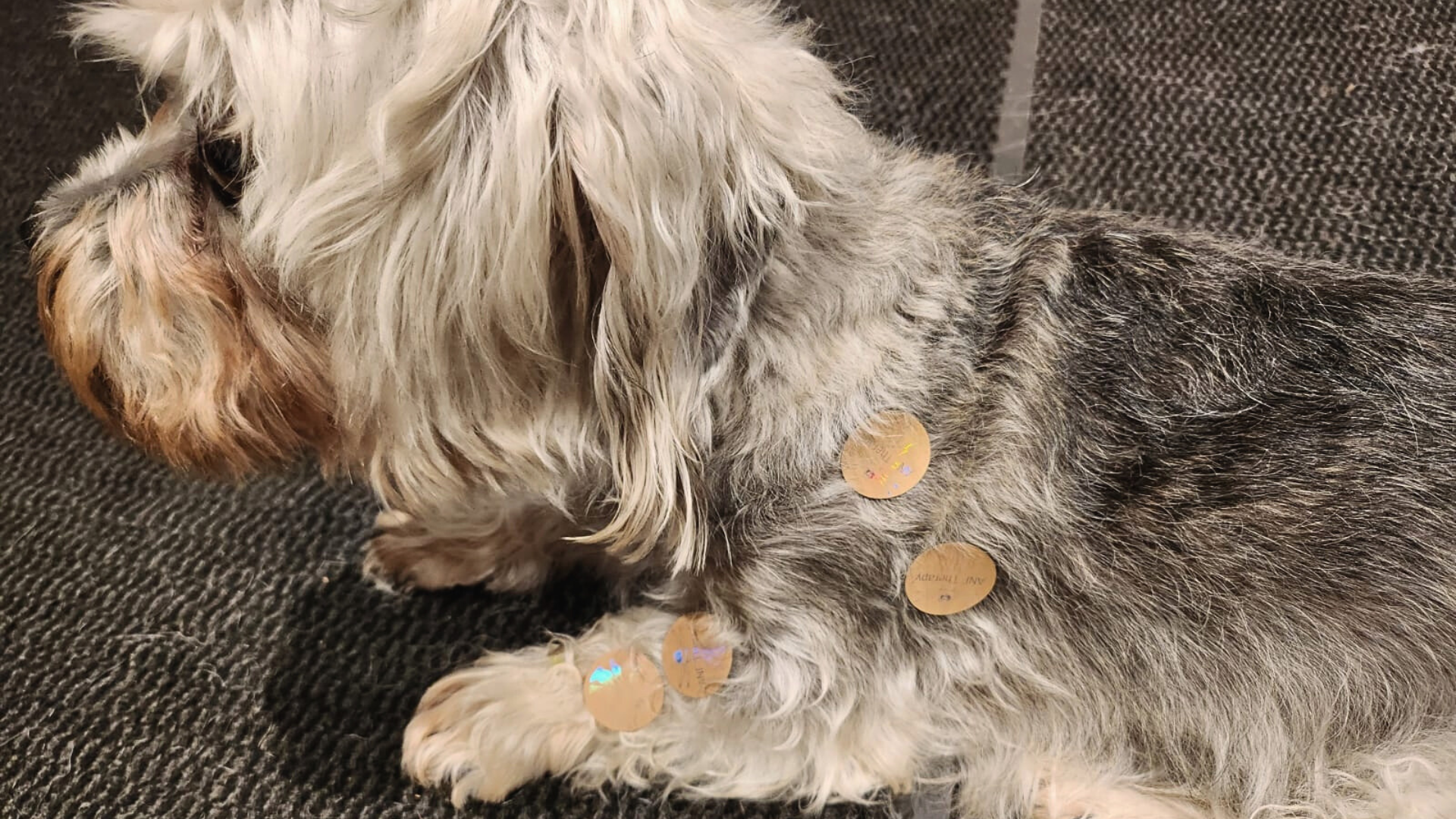
How ANF Animal Therapy® Supports Dog Mobility?
ANF Animal Therapy® supports the body's healing mechanisms. This therapy supports the nervous system's functions that normalize cellular activity, hormones, molecules, and vitamins essential for healing.
Additionally, ANF training teaches veterinarians how to assess animals using neurological and musculoskeletal techniques. This helps identify the root cause of pain or injury and improves understanding of the animal’s overall anatomy and health.
Start your journey with ANF Animal Therapy®:
ANF Animal Therapy® is one of the most advanced approaches that may aid in the management of pain, inflammation, and dysfunction in animals. If your pet or animal is experiencing weakness, restricted movement, or unexplained discomfort, and you want a safe, drug-free, and effective solution, consult an ANF Animal Practitioner to discuss how ANF Animal Therapy® can be helpful. Find a certified ANF Animal Therapist by visiting anfanimal.com and begin your animal’s healing journey with ANF Animal Therapy®.
If you are an animal health professional and want to upgrade your clinical skills with frequency medicine, explore the ANF Animal Therapy® Education Program at anfanimal.com and elevate your ability to assess and treat animals naturally and effectively.
How Lifestyle & Alternative Therapies Help Dogs With Mobility Issues?
Supporting a dog with mobility challenges often requires a combination of lifestyle adjustments, pain management, and gentle, non-invasive therapies. When used alongside veterinary care, these approaches can reduce discomfort, improve strength, and help dogs stay active for longer.
1. Weight Management
Keeping a dog at a healthy weight is one of the most effective ways to protect their joints. Less body weight means less stress on arthritic hips, knees, and the spine, helping slow the progression of many mobility conditions.
2. Low-Impact Exercise
Consistent, gentle movement keeps muscles strong without straining vulnerable joints.
Helpful options include:
- Short, frequent walks
- Swimming
- Underwater treadmill sessions
- Controlled strengthening routines
These exercises maintain muscle mass, improve circulation, and support overall mobility.
3. Strengthening & Rehabilitation Exercises
Rehab and physiotherapy programs are provided according to the dog’s specific condition, whether arthritis, hip dysplasia, CCL injuries, or age-related weakness. These may include:
- Sit-to-stand drills
- Core strengthening
- Balance work
- Passive range-of-motion stretches
Rehabilitation helps stabilize joints, improve gait, and speed recovery after injury or surgery.
4. Hydrotherapy
Water-based exercise provides resistance while supporting the dog’s body weight, allowing them to build strength without added joint stress. It’s highly beneficial for arthritis, hip dysplasia, spinal issues (once cleared by a vet), and senior muscle loss.
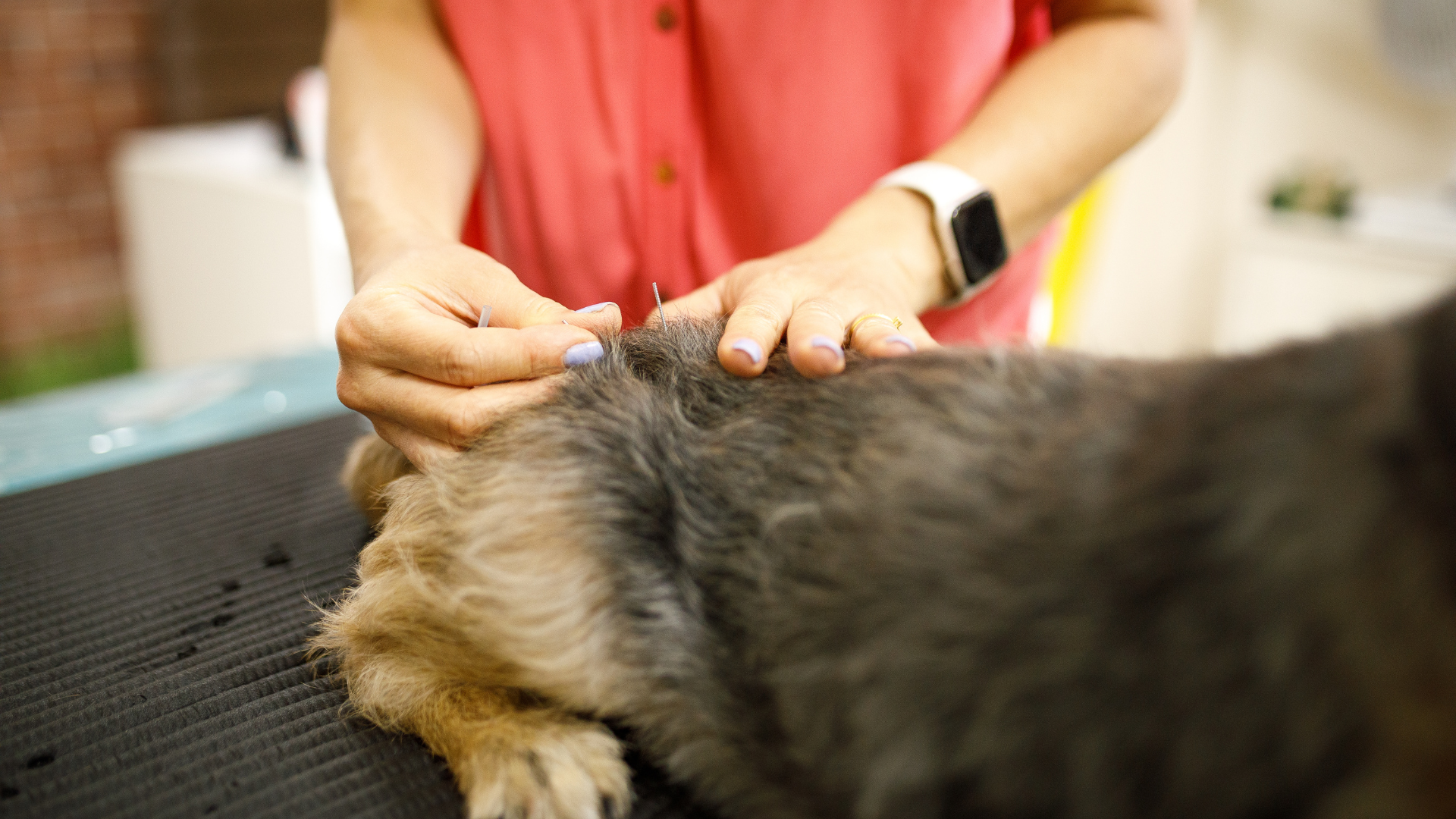
5. Acupuncture
Veterinary acupuncture can:
- Reduce pain
- Improve nerve function
- Relax tight muscles
- Support recovery after injury
Many dogs relax deeply during treatment, and regular sessions can help maintain comfort and mobility.
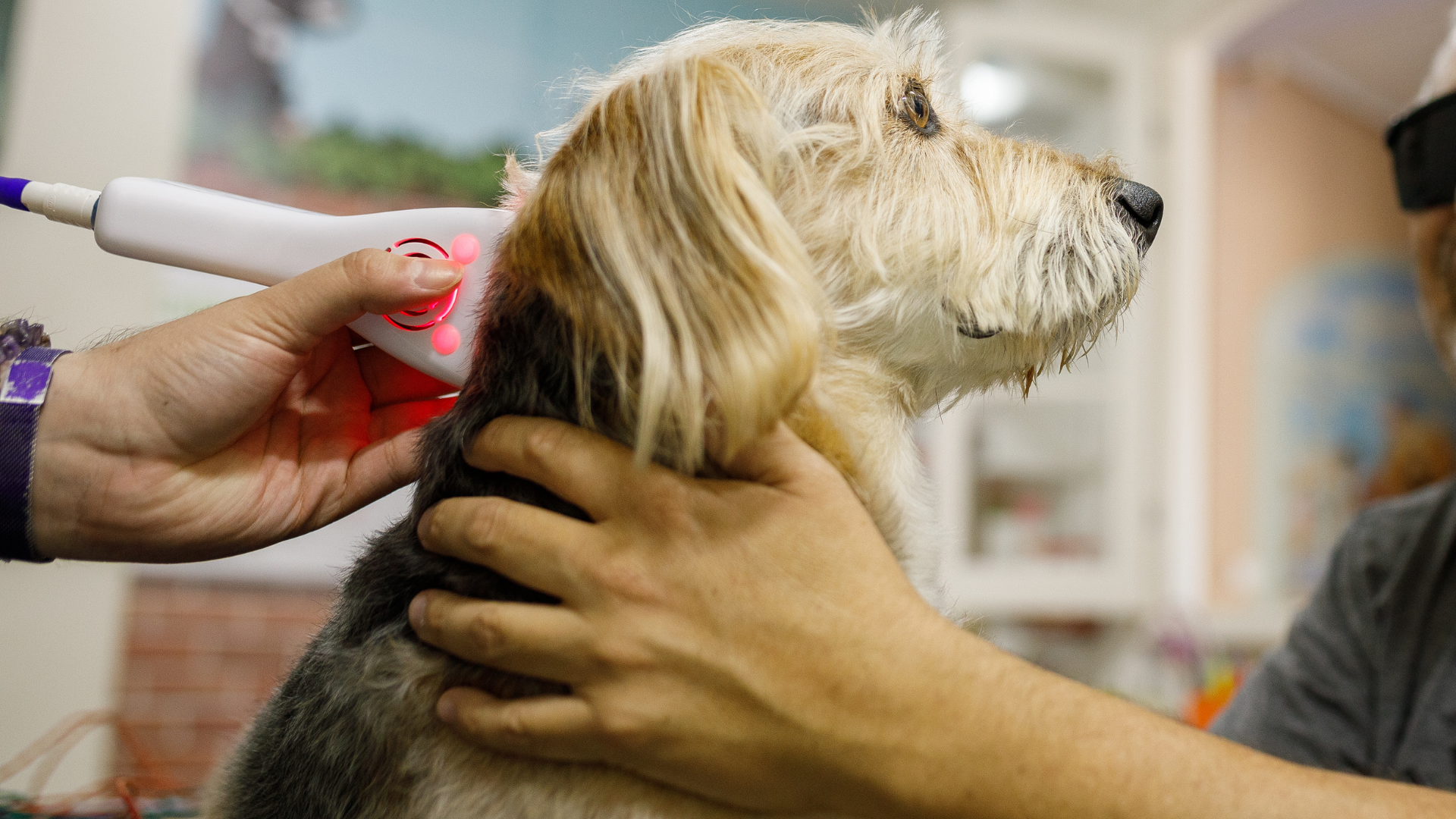
6. Cold Laser Therapy
Cold laser uses light energy to reduce inflammation and support tissue repair. It’s commonly used for:
- Arthritis
- Soft-tissue injuries
- CCL tears
- Post-surgical recovery
- Spinal pain (IVDD)
Dogs often experience improved mobility and reduced stiffness after several sessions.
7. PEMF Therapy
Pulsed Electromagnetic Field (PEMF) therapy helps improve circulation, reduce inflammation, and support muscle and joint health. It’s safe, non-invasive, and can be used at home or in a rehabilitation setting.
8. Massage & Myofascial Release
These hands-on therapies help by:
- Increasing blood flow
- Relieving muscle tension
- Improving flexibility
- Reducing compensatory strain from chronic pain
This is especially helpful for dogs with arthritis, hip dysplasia, and spinal issues like IVDD.
9. Chiropractic Care (Qualified Providers Only)
Veterinary chiropractic can help restore mobility and reduce discomfort caused by spinal or joint misalignments. It may be recommended for:
- IVDD cases (mild and stable only, with vet clearance)
- Stiffness or reduced range of motion
- Chronic back or neck pain
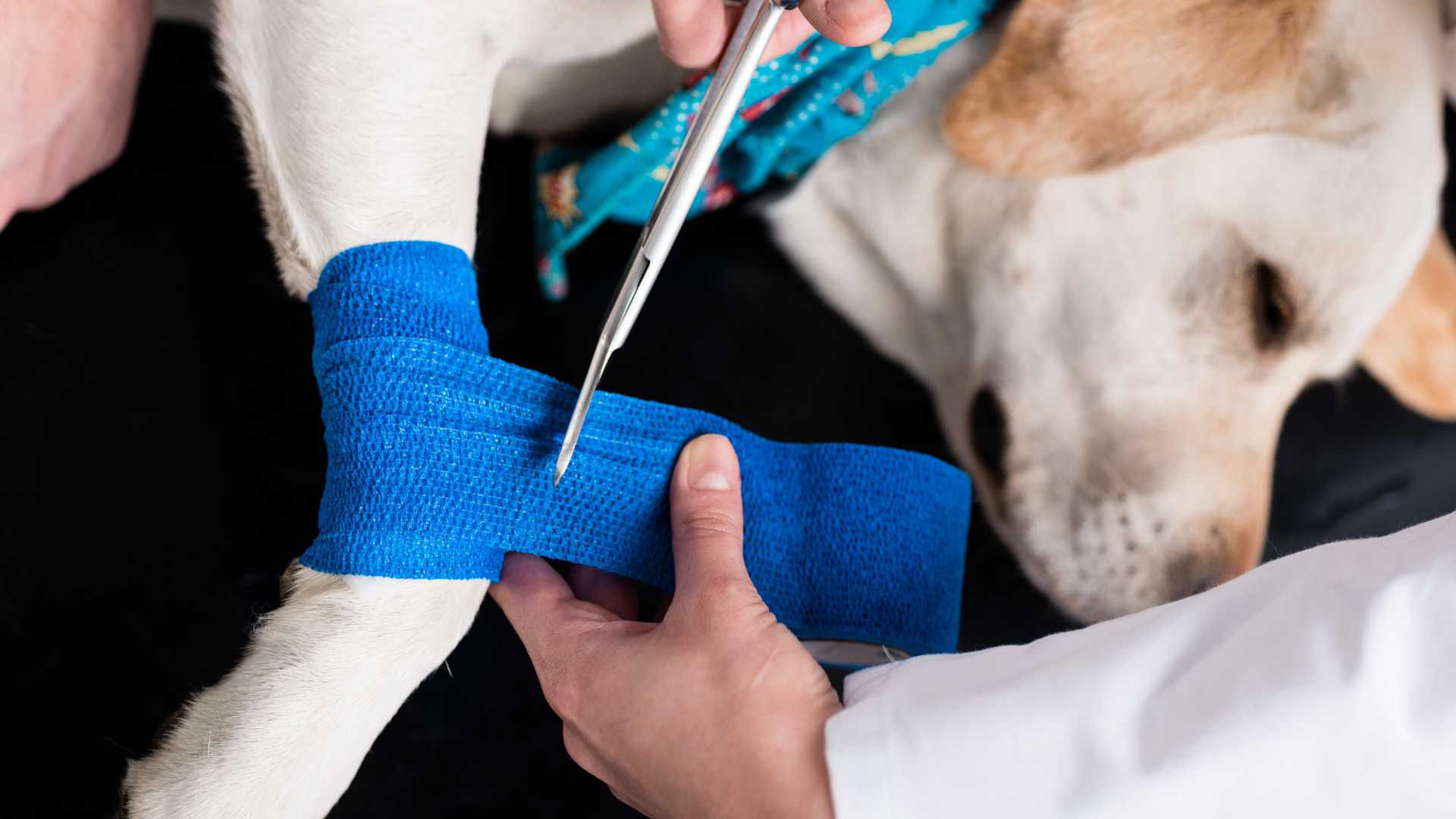
10. Bracing & Assistive Supports
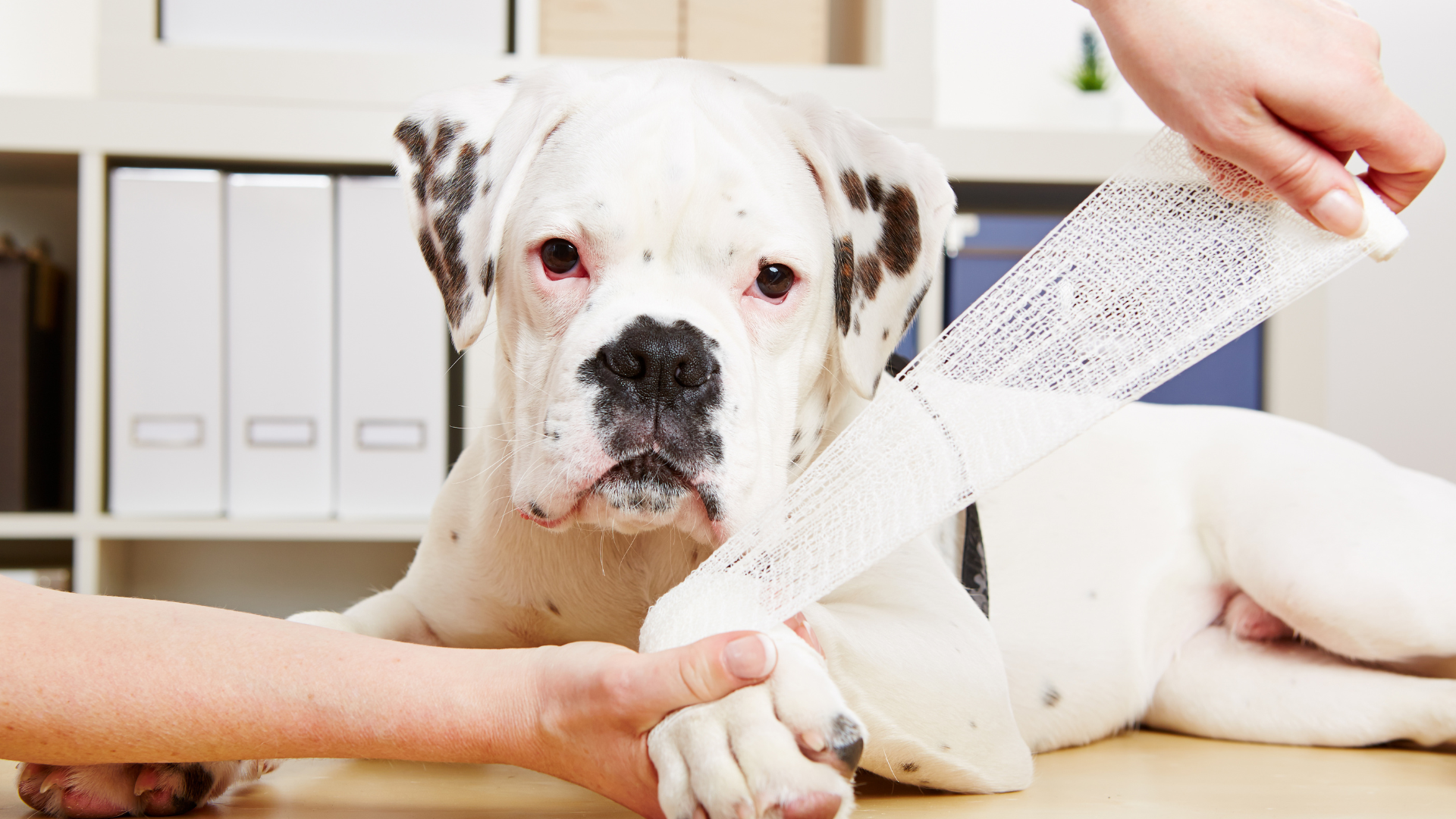
Orthopedic braces can stabilize joints and reduce pain, particularly helpful for CCL injuries, carpal/hock instability, or IVDD. Assistive tools like harnesses, slings, and ramps make everyday movement safer and easier.
11. Home & Lifestyle Modifications
Small changes can significantly improve comfort:
- Non-slip rugs or flooring
- Orthopedic or memory-foam beds
- Ramps for cars and furniture
- Raised food and water bowls
- Keeping nails trimmed for better traction
Conclusion
Mobility issues in dogs, whether caused by age, injury, or underlying disease, can greatly affect their comfort, independence, and overall quality of life. Recognizing early signs such as stiffness, reluctance to move, or changes in gait allows owners to intervene before the problem worsens. While veterinary diagnosis and treatment remain essential, lifestyle adjustments and alternative therapies play a powerful supportive role in restoring mobility and reducing pain.
Approaches like weight control, low-impact exercise, hydrotherapy, acupuncture, rehabilitation exercises, and other non-invasive therapies can help dogs stay active and maintain muscle strength. ANF Animal Therapy® offers an advanced, drug-free method that supports the body’s natural healing mechanisms, which address pain, inflammation, and dysfunction.
By combining proper veterinary care with thoughtful lifestyle modifications and complementary therapies, dog owners can significantly improve their pet’s mobility, comfort, and overall well-being, giving them a better, happier, and more active life at every age.