
Latest
Can Allergies in Dogs Cause Vomiting?


Vomiting is one of the most common issues in dogs faced by pet owners. While occasional vomiting is usually harmless, frequent and unexplained vomiting can raise concerns that should not be overlooked. One of the most common and often overlooked causes of vomiting is allergies. Yes, allergies in dogs can cause vomiting, along with several other digestive and skin-related problems.
ANF Animal Therapy® is an advanced approach that supports your dog’s immune system and digestive health. In this blog, we’ll discuss how allergies affect dogs, why they can lead to vomiting, what signs to watch for, and how you can help your pet feel better with ANF Animal Therapy®.
Understanding Allergies in Dogs
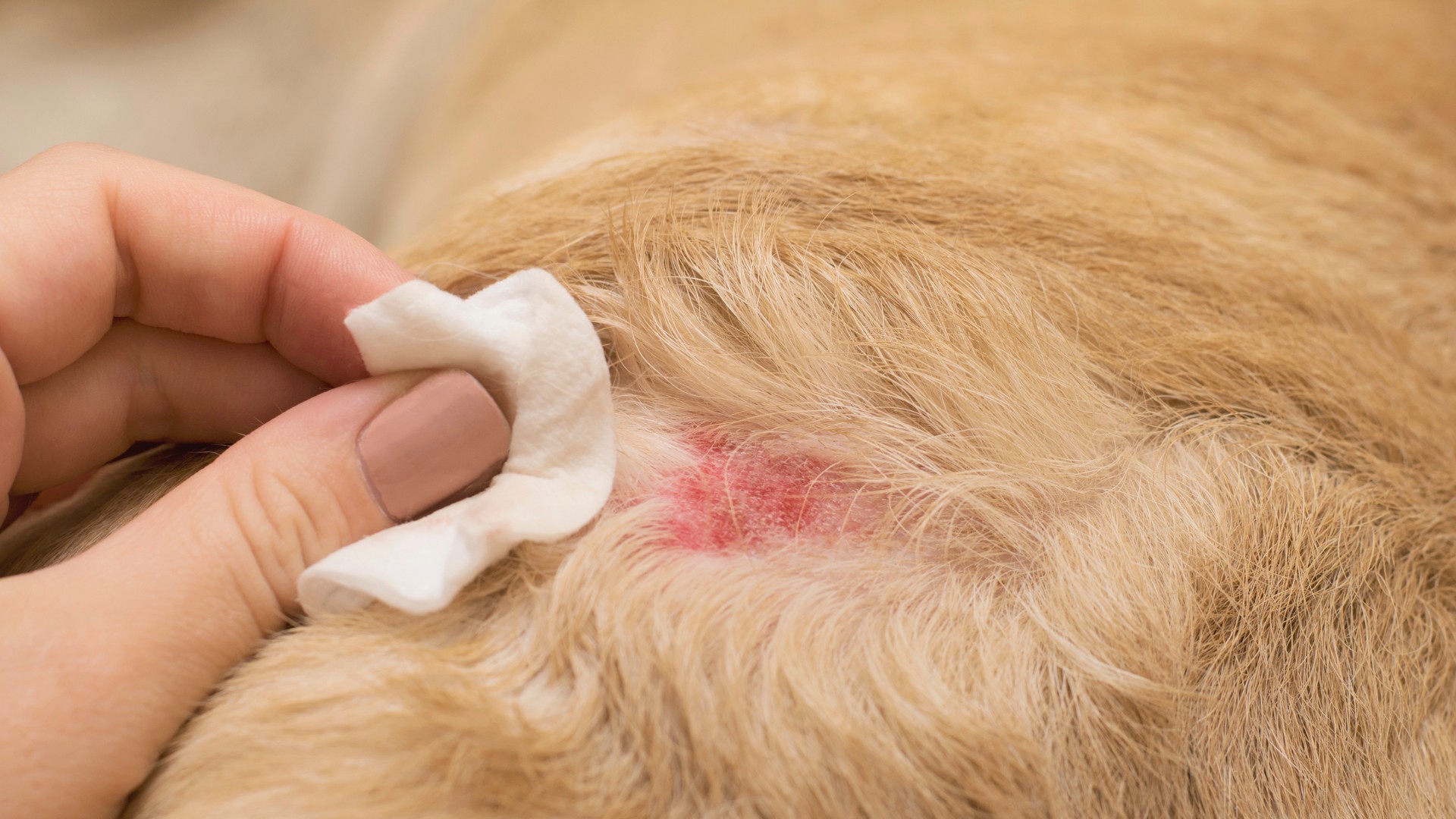
An allergy occurs when a dog’s immune system overreacts to a normally harmless substance known as an allergen. The body treats this substance as a foreign particle and releases chemicals such as histamine, which leads to inflammation and irritation.
Dogs can develop allergies at any age. However, it often appears between six months and three years, and some breeds are also more prone to allergic conditions.
Common Types of Dog Allergies

There are three main types of allergies in dogs:
1. Food Allergies
Food allergies are one of the most common causes of vomiting in dogs. They occur when the immune system reacts to certain ingredients in food. Common food allergens include:
- Chicken
- Beef
- Dairy
- Eggs
- Wheat
- Soy
- Corn
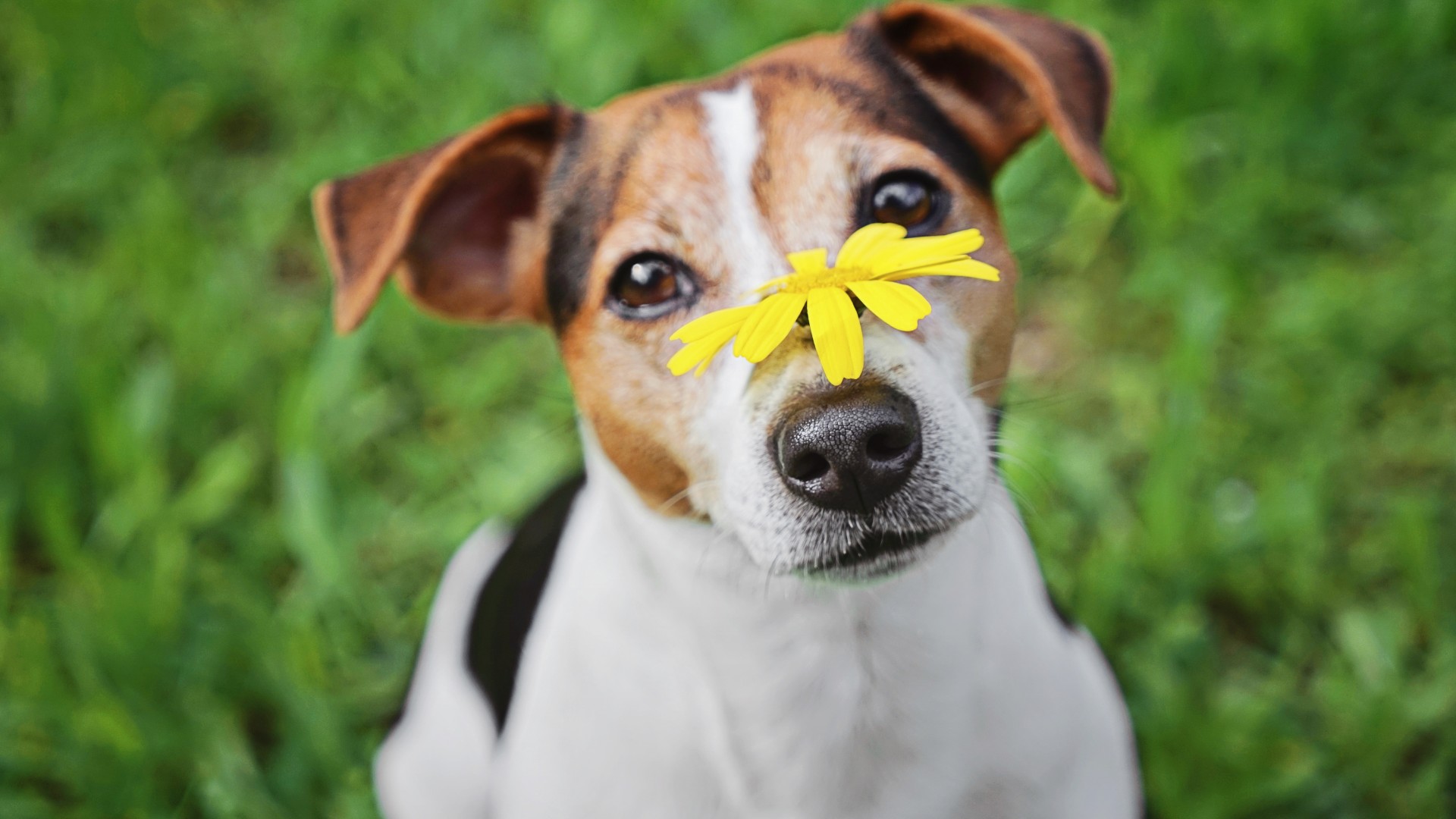
2. Environmental Allergies (Atopy)
These allergies are triggered by substances in the environment, such as:
- Pollen
- Mold
- Dust mites
- Grass
- Tree spores
These usually affect the skin and respiratory system, but they can sometimes cause digestive upset.
3. Flea Allergies
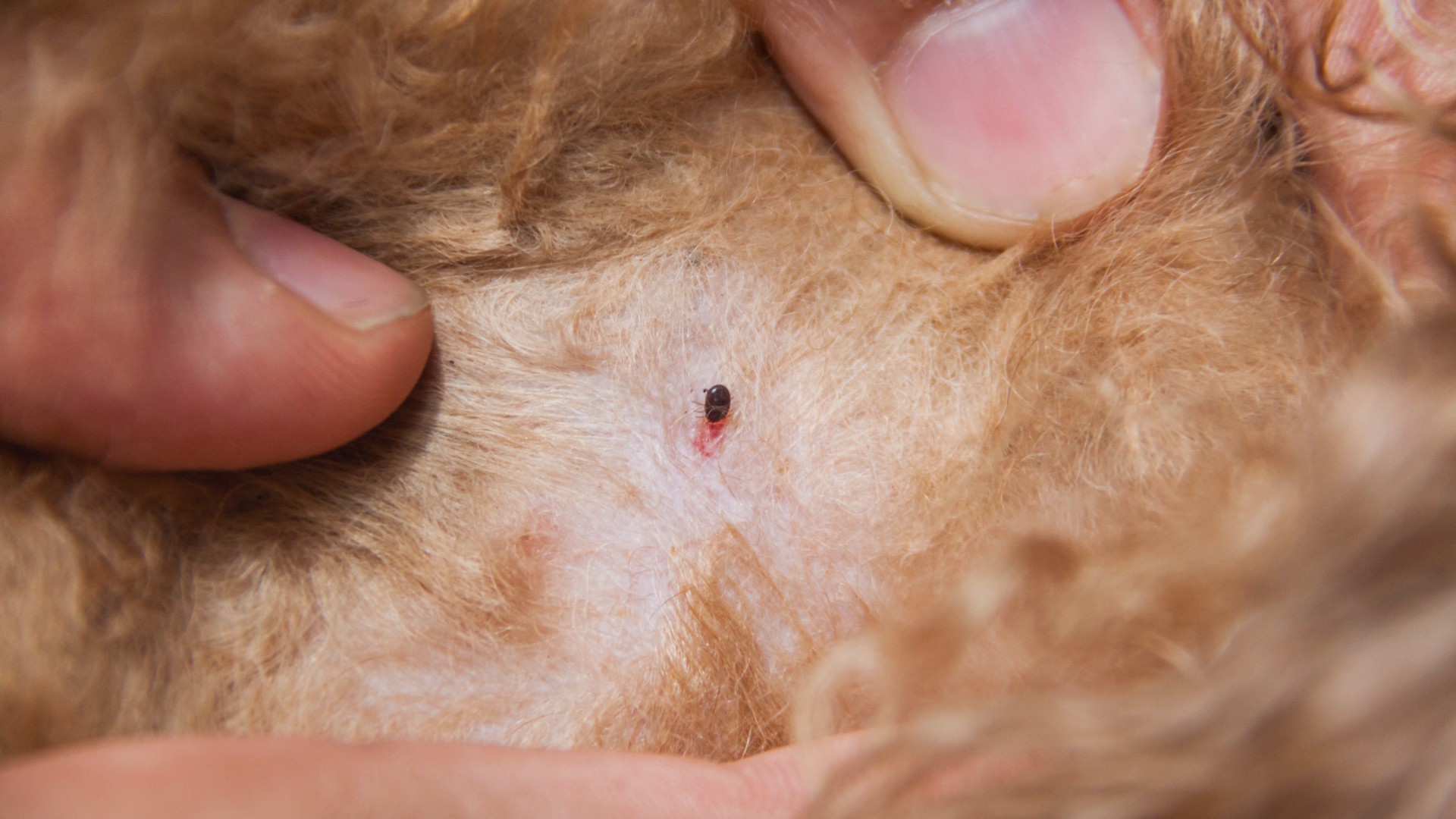
Some dogs are extremely sensitive to flea saliva. Even one bite can trigger an intense allergic reaction that can lead to discomfort, stress, and secondary symptoms like vomiting.
How Do Allergies Cause Vomiting in Dogs?
Vomiting occurs when the digestive system of your dog becomes inflamed or irritated due to allergies. This occurs due to the following:
1. Immune Reaction in the Gut
In food allergies, the immune system of your dog attacks specific proteins in the food. This causes inflammation in the stomach and intestine, resulting in digestive upset. It causes:
- Nausea
- Vomiting
- Diarrhea
- Gas

2. Intestinal Irritation
Chronic allergic reactions can damage the lining of the digestive tract. This makes your dog more sensitive to food and more likely to vomit after meals.
3. Stress and Discomfort
Dogs suffering from allergies often experience itching, pain, and irritation. This constant discomfort can lead to stress, which may upset their stomach and trigger vomiting.
4. Secondary Infections
Untreated allergies can lead to bacterial or yeast infections. These infections may affect appetite and digestion and contribute to vomiting.
What are the signs of allergy-related vomiting?
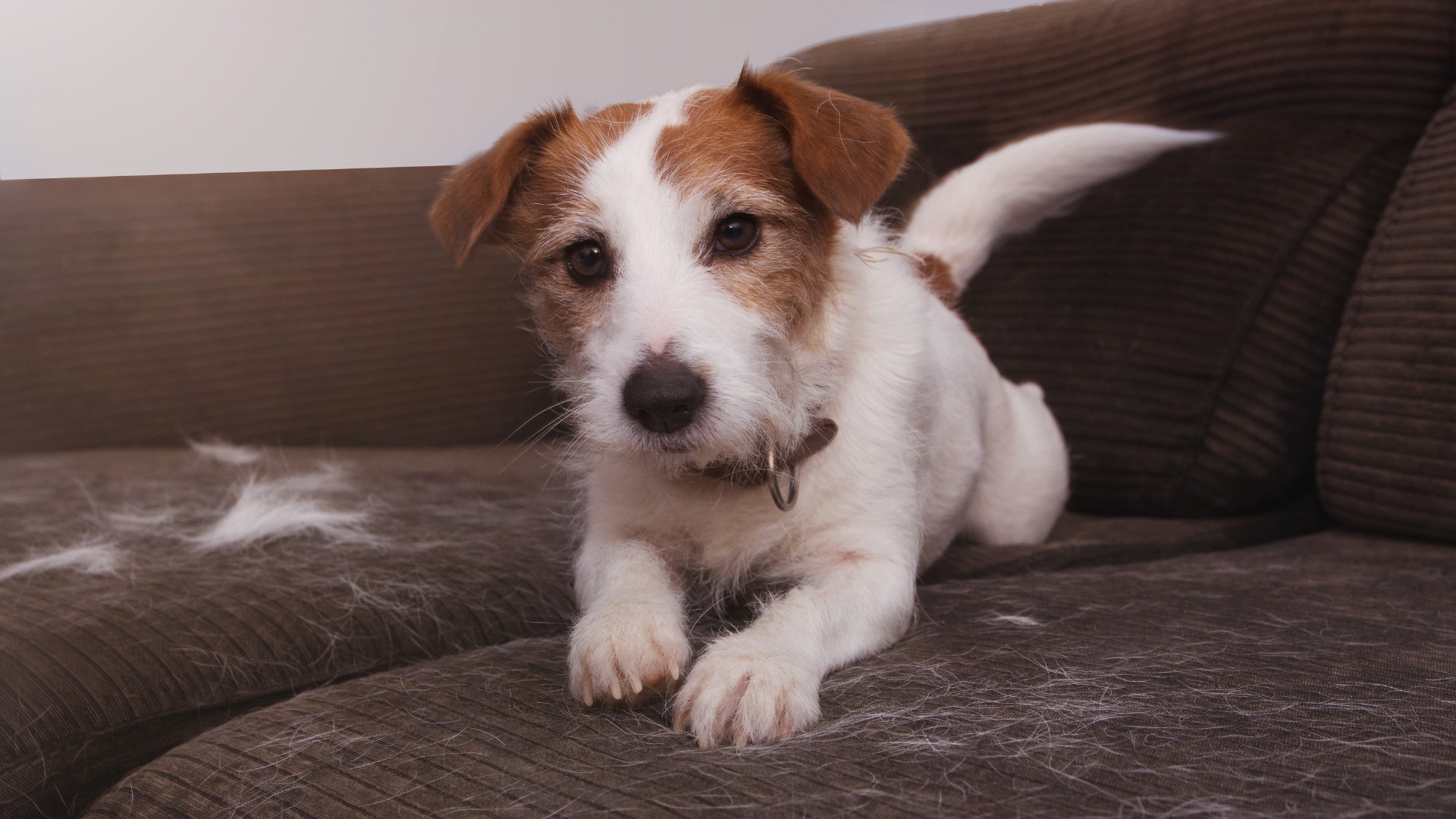
Vomiting alone doesn’t always indicate allergies. However, when it occurs alongside other symptoms, allergies become more likely.
Common Allergy Symptoms in Dogs
Look out for these signs:
- Frequent vomiting
- Chronic diarrhea
- Excessive scratching or licking
- Red or inflamed skin
- Ear infections
- Paw chewing
- Hair loss
- Watery eyes
- Sneezing
- Scooting
Food Allergies and Vomiting
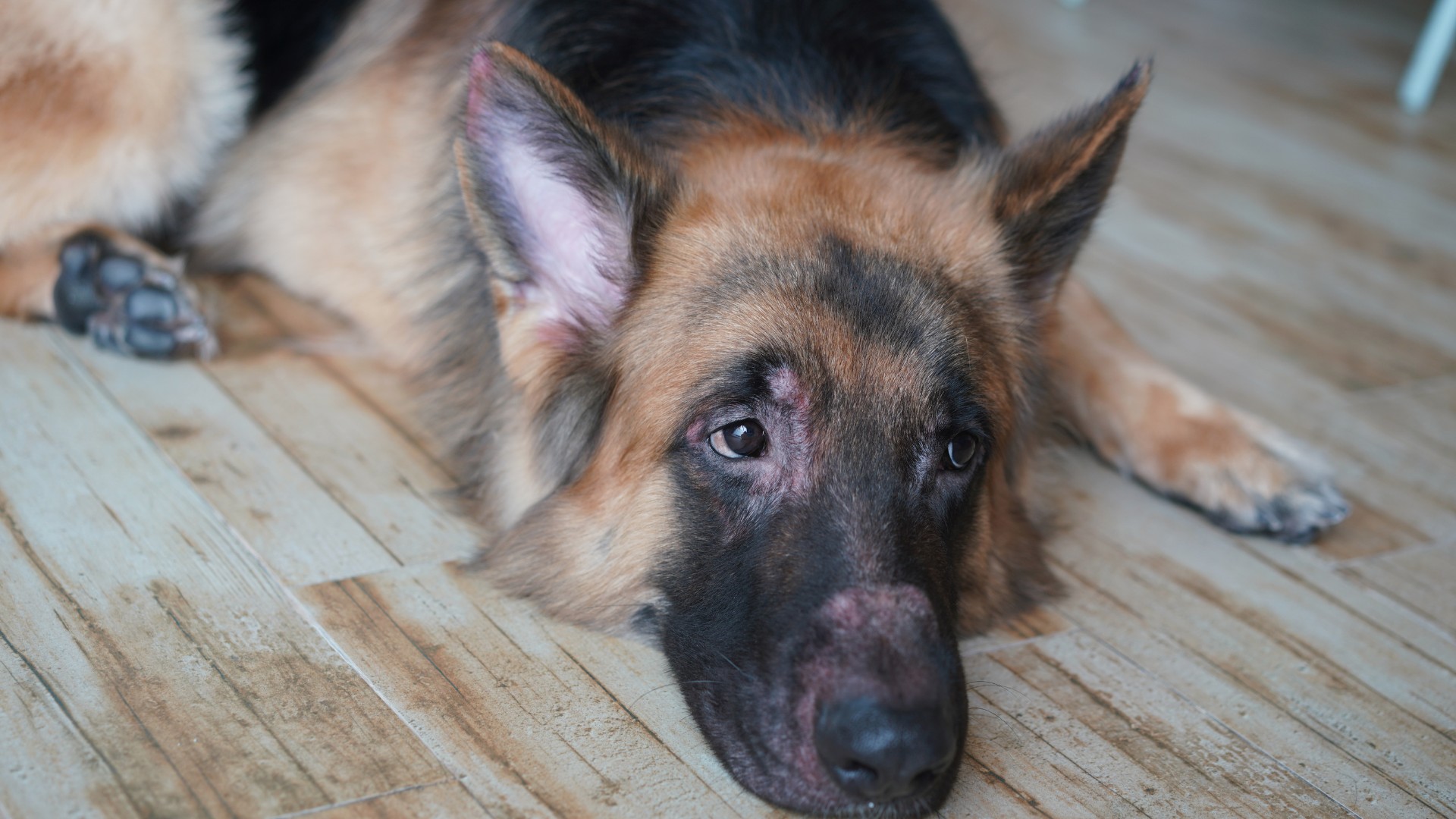
Food allergies are the most common allergy-related cause of vomiting in dogs. Food allergies involve the immune system, unlike food intolerance, which affects digestion only.
Food Allergy vs. Food Intolerance
Feature | Food Allergy | Food Intolerance |
Immune response | Yes | No |
Skin symptoms | Common | Rare |
Vomiting | Common | Common |
Onset | Gradual | Often sudden |
Food allergies usually develop over time, even if your dog has eaten the same food for years.
How Food Allergies Develop
Food allergies develop when there is repeated exposure to a specific protein that triggers the immune system. Once it becomes sensitized, then even small amounts can cause symptoms.
Treatment Options for Allergy-Related Vomiting
Once allergies are identified, treatment focuses on managing exposure and symptoms.
ANF Animal Therapy®:
ANF Animal Therapy® is an advanced approach that supports the animal's health and well-being without any medication. This therapy utilises small ANF Devices that are applied to the affected areas of the animal's body and support their immune and gut health.
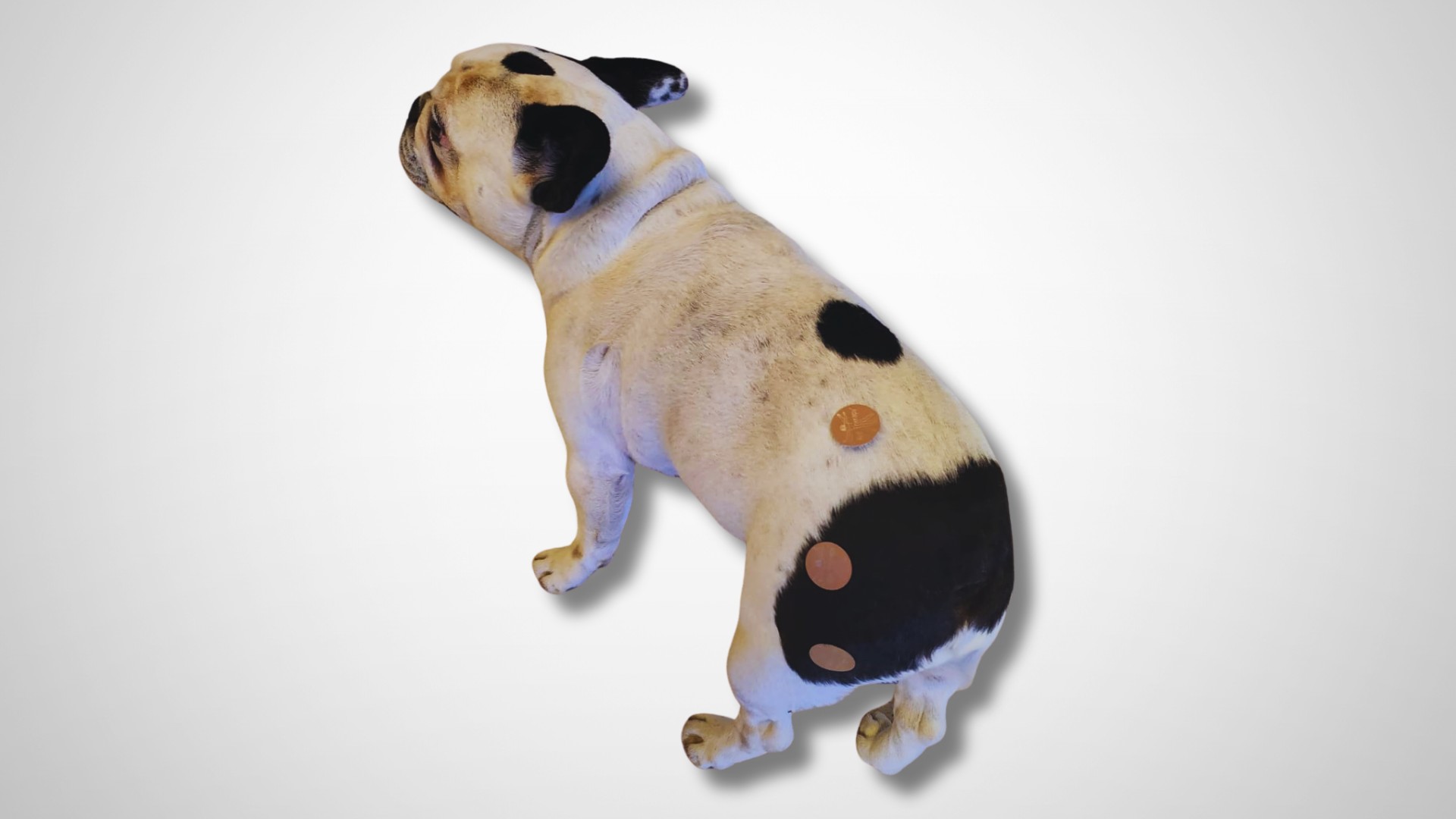
Start your journey with ANF Animal Therapy®:
ANF Animal Therapy® is a natural and advanced approach that supports the body’s natural healing mechanisms and immune system. If your dog is experiencing vomiting due to allergies and you want a holistic way to manage them, consult an ANF Animal Practitioner today to discuss how ANF Animal Therapy® can help. You can find a certified ANF Animal Therapist by visiting https://anfanimal.com and begin your animal’s healing journey with ANF Animal Therapy®.
If you are an animal health professional and want to upgrade your clinical skills with frequency medicine, explore the ANF Animal Therapy® Education Program at anfanimal.com and elevate your ability to assess and treat animals naturally and effectively.
The following are other ways that also help improve skin-related allergies.
1. Dietary Management
You can also avoid allergies in your dog by doing the following dietary management.
- Switch to hypoallergenic diets
- Use novel proteins (duck, venison, rabbit)
- Avoid table scraps
- Follow the diet plan as per your ANF Animal Therapist prescription
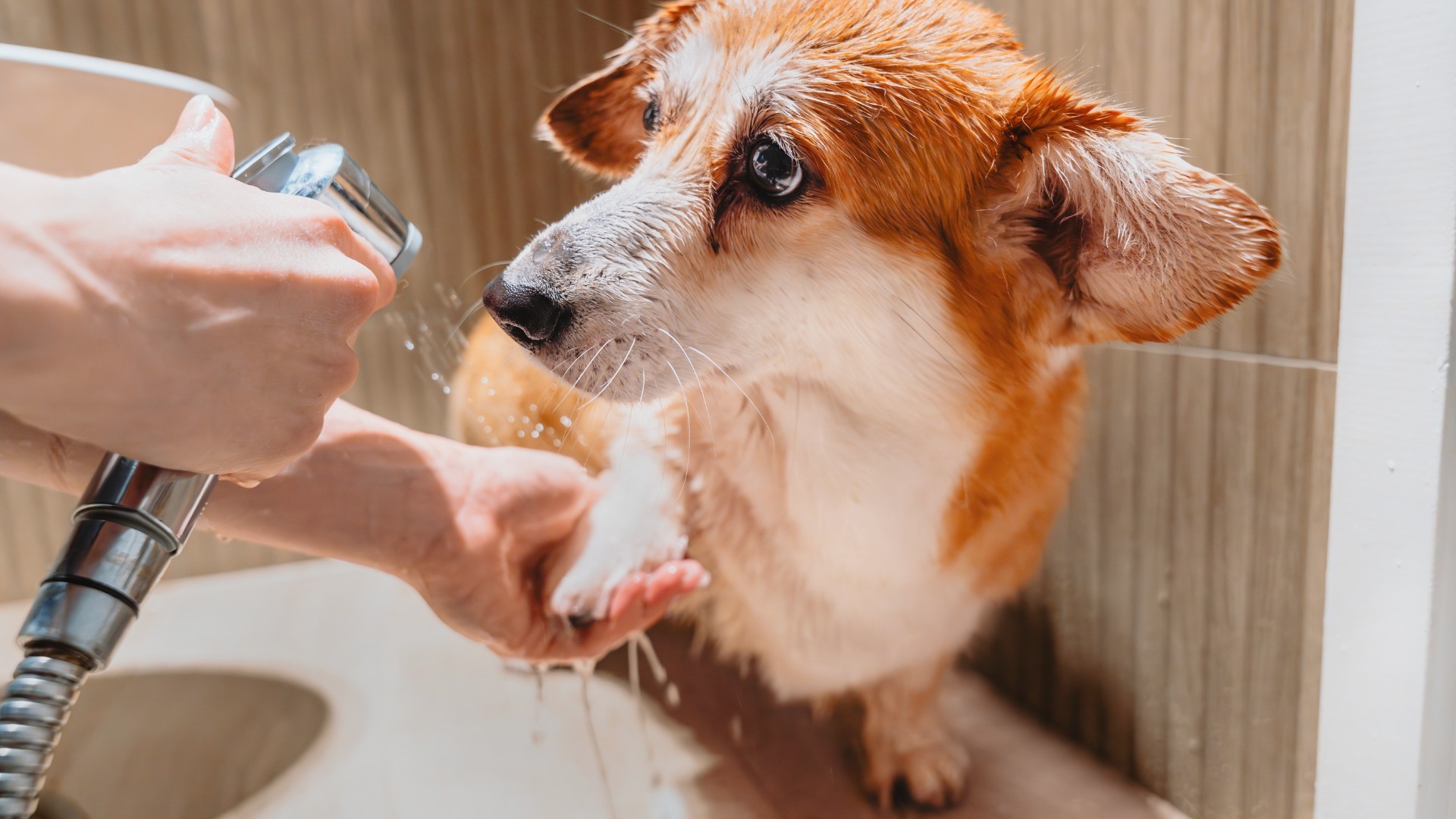
2. Environmental Control
You can manage environmental allergies by following:
- Wash the beds weekly
- Vacuum frequently to remove allergens
- Use air purifiers
- Wipe paws after walks
- Bathe with medicated shampoos
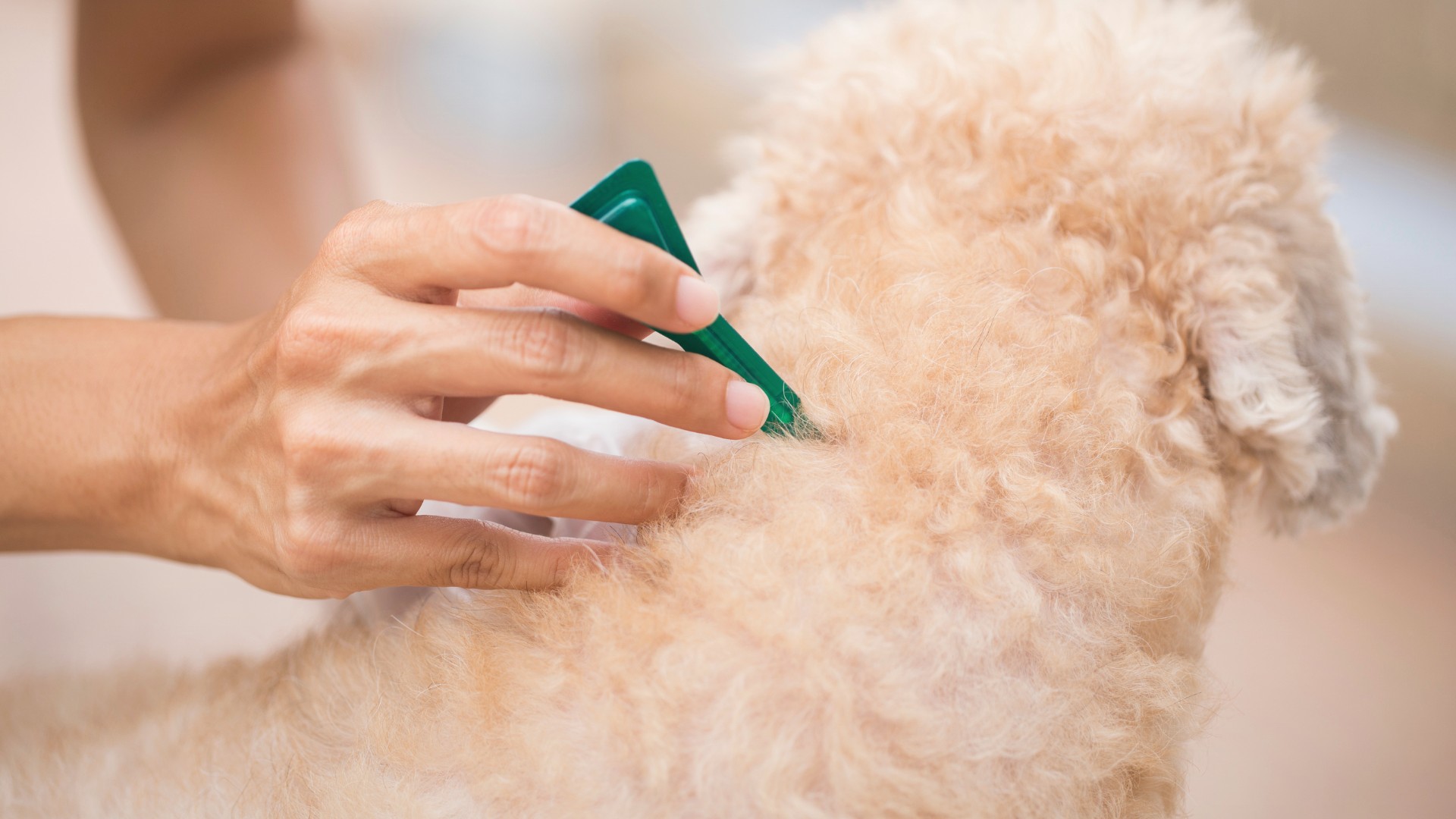
3. Flea Prevention
Year-round flea prevention is very important for keeping dogs healthy, especially those with sensitive skin or allergies. Fleas can cause intense itching and irritation and can even transmit diseases or tapeworms.
When Should You Worry About Vomiting?
Not all vomiting is caused by allergies and is harmful. However, seek immediate care if your dog has:
- Persistent vomiting (more than 24 hours)
- Blood in vomit
- Lethargy
- Loss of appetite
- Dehydration
- Abdominal pain
- Weight loss
These signs may indicate serious conditions such as poisoning, pancreatitis, intestinal blockage, or infections.
Preventing Allergy-Related Vomiting
You can prevent the allergy-related vomiting by following these tips:
- Feed high-quality, limited-ingredient diets
- Introduce new foods gradually
- Maintain flea control
- Keep your home clean
- Schedule regular checkups with ANF Animal Therapists
- Monitor changes in behavior or appetite
Conclusion:
Allergies in dogs can affect more than just their skin. They can often lead to vomiting and digestive upset. The most common causes include food sensitivities, environmental triggers, and flea reactions, and symptoms may worsen if untreated.
Holistic approaches like ANF Animal Therapy®, along with dietary management, environmental control, and flea prevention, can help manage symptoms naturally. You can support your dog’s health and comfort and help them live a happier, allergy-free life by staying vigilant and working with certified ANF Animal Therapists.