
Latest
Can Itching Be a Sign of Anxiety in Dogs?


Many dog owners feel confused when their dog keeps scratching but has no fleas, no rash, and normal test results. This leads to an important question: can itching be a sign of anxiety in dogs?
The answer is yes. While most itching in dogs is caused by physical conditions such as allergies or parasites, emotional stress and anxiety can also contribute. The skin and nervous system are closely connected. When a dog feels stressed, the body can respond in ways that affect the skin.
This blog will explore causes of itching in dogs, explain when itching can be a sign of anxiety, and how you can support both your dog’s emotional health and physical comfort with the help of ANF Animal Therapy®.
What Is Pruritus?
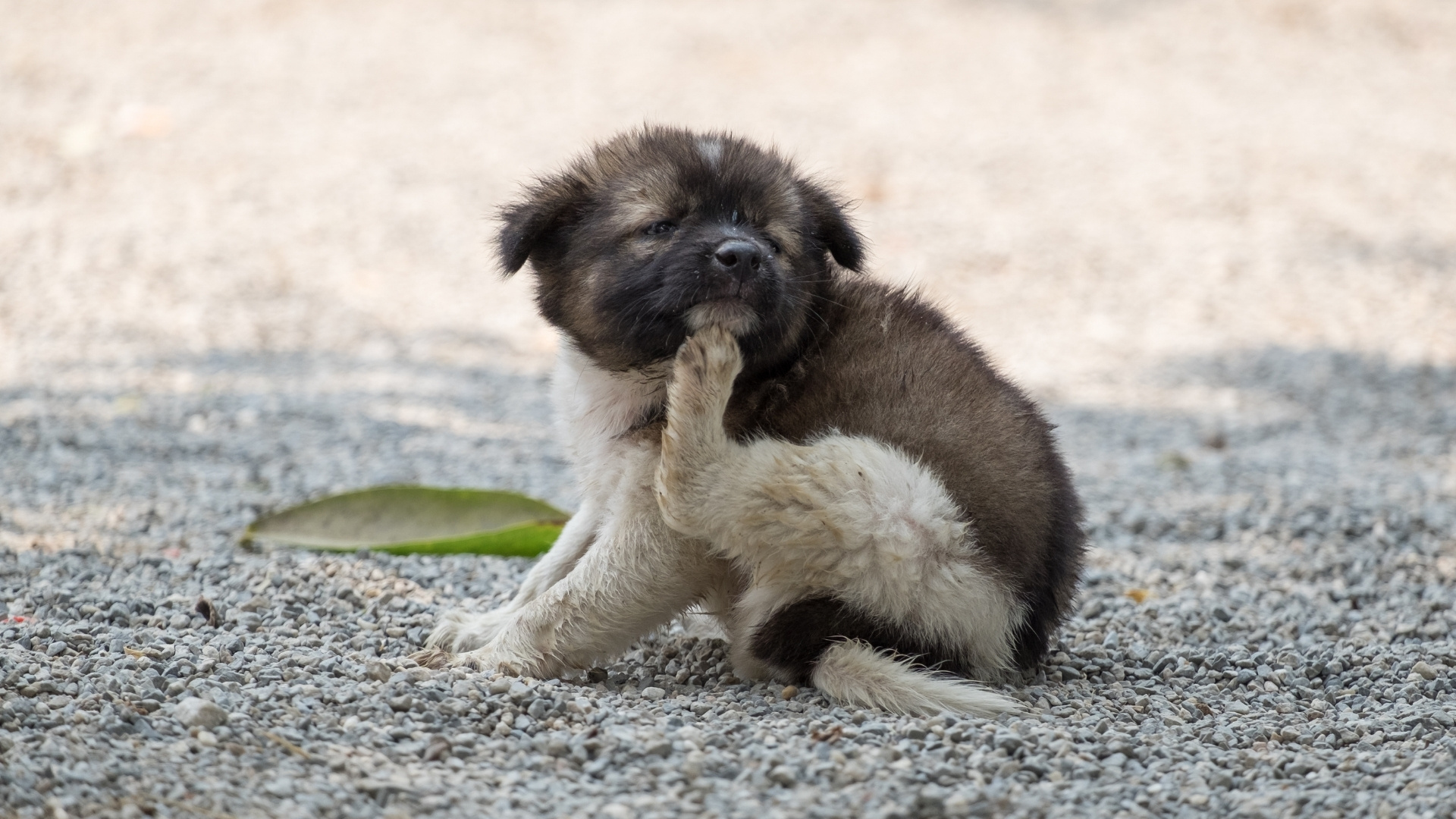
Pruritus is the medical term for itching. It describes the uncomfortable sensation that causes scratching, licking, or chewing.
Occasional scratching is normal. Persistent scratching that causes hair loss, redness, or skin damage is not normal; it can be due to underlying medical conditions.
Common Physical Causes of Itching
Before considering anxiety, you must rule out physical causes. The most common reasons for itching include:
- Fleas and mites
- Food allergies
- Environmental allergies such as pollen or dust
- Bacterial or yeast infections
- Dry skin
- Hormonal imbalances
According to general canine health guidance from the American Kennel Club, allergies are among the leading causes of chronic itching in dogs. In most cases, itching in dogs is caused by underlying medical conditions. You can consider anxiety only after excluding these causes.
Can Itching Be a Sign of Anxiety in Dogs?

Yes, itching can be linked to anxiety in some dogs.
Stress activates the nervous system, which triggers the release of hormones such as cortisol and adrenaline. These chemicals influence immune function and inflammation. Over time, chronic stress can increase skin sensitivity and irritation.
Some dogs also develop repetitive behaviors when anxious. These behaviors may include excessive licking, chewing, or scratching, even when there is no visible skin disease.
How Anxiety Causes Itching in Dogs?
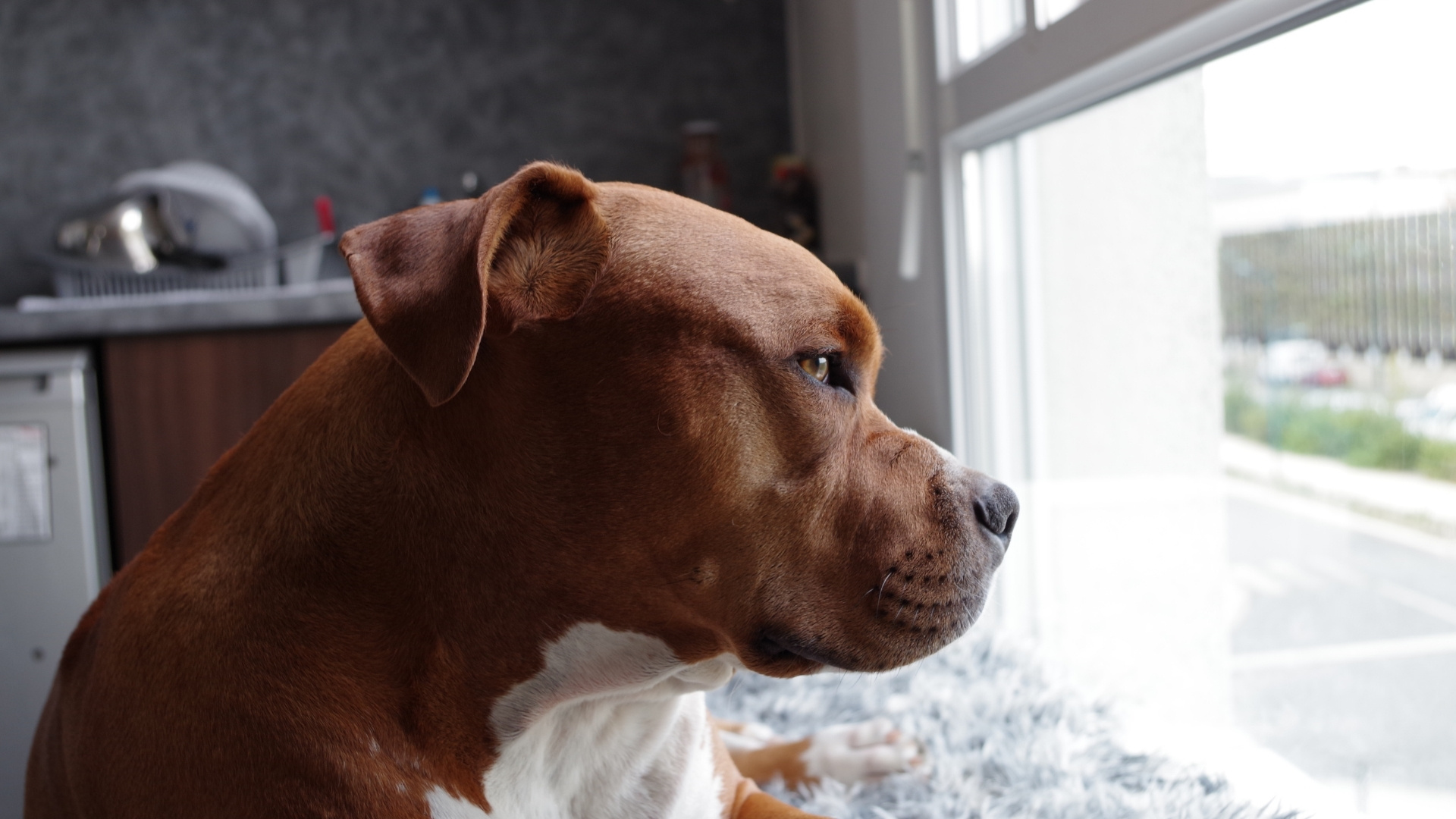
Stress Hormone Release
When a dog experiences ongoing stress, the body produces higher levels of cortisol. Chronic elevation of stress hormones can affect immune regulation and inflammatory responses. This may make the skin more reactive and sensitive. Minor irritations can feel more intense.
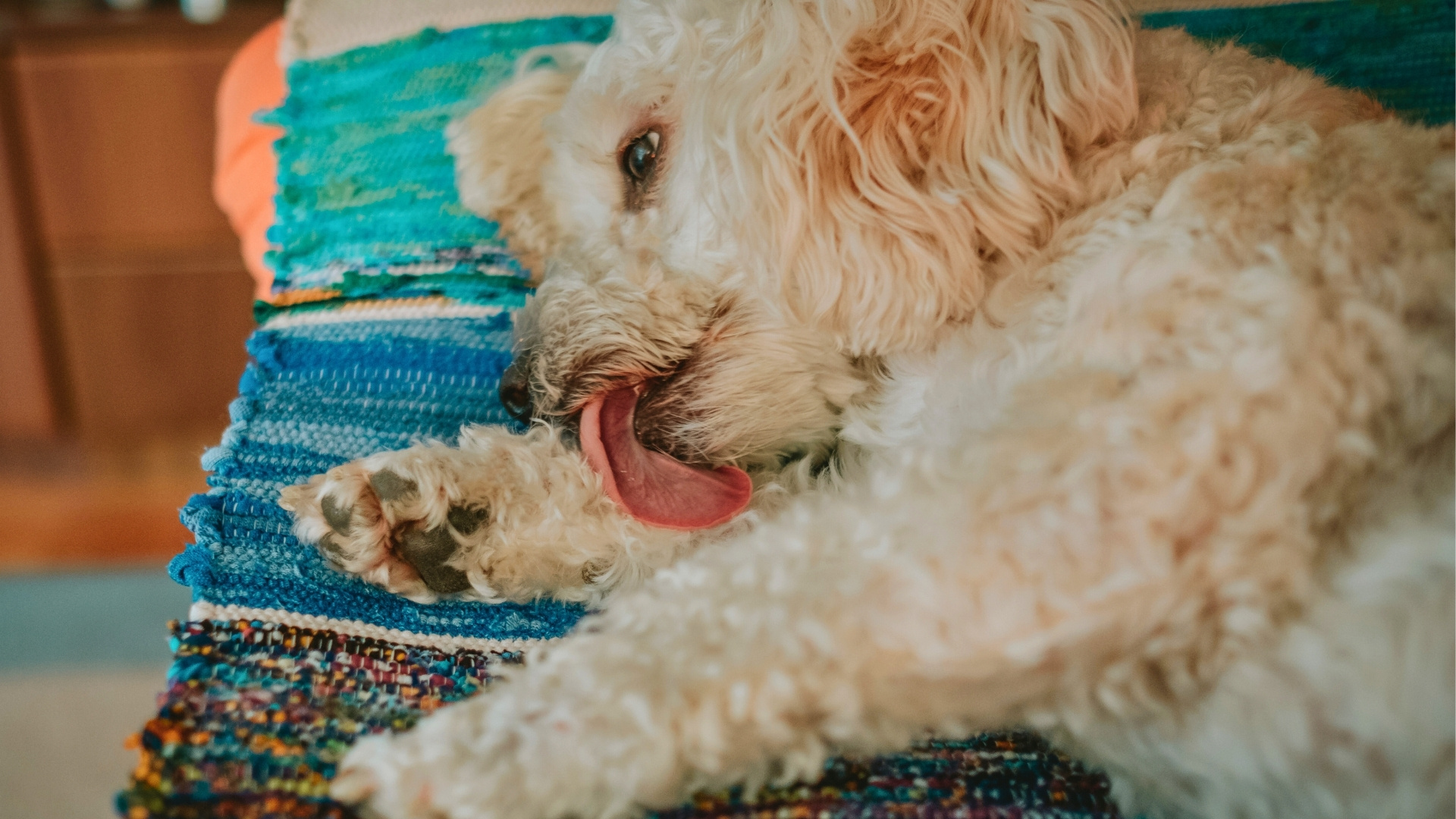
Compulsive Behaviors
Anxious dogs often repeat certain behaviors to self-soothe. These may include:
- Licking paws constantly
- Chewing at the legs or flanks
- Scratching the same area repeatedly
- Tail chasing
- Rubbing the face on surfaces
Over time, these repetitive actions can damage the skin and create secondary infections.
Stress-Induced Inflammation
Chronic anxiety can weaken the skin barrier. A weakened barrier allows irritants and microbes to penetrate more easily. This can lead to redness, hot spots, and persistent discomfort.
This results in a vicious cycle. Anxiety leads to scratching, which damages the skin, and the damaged skin increases discomfort.
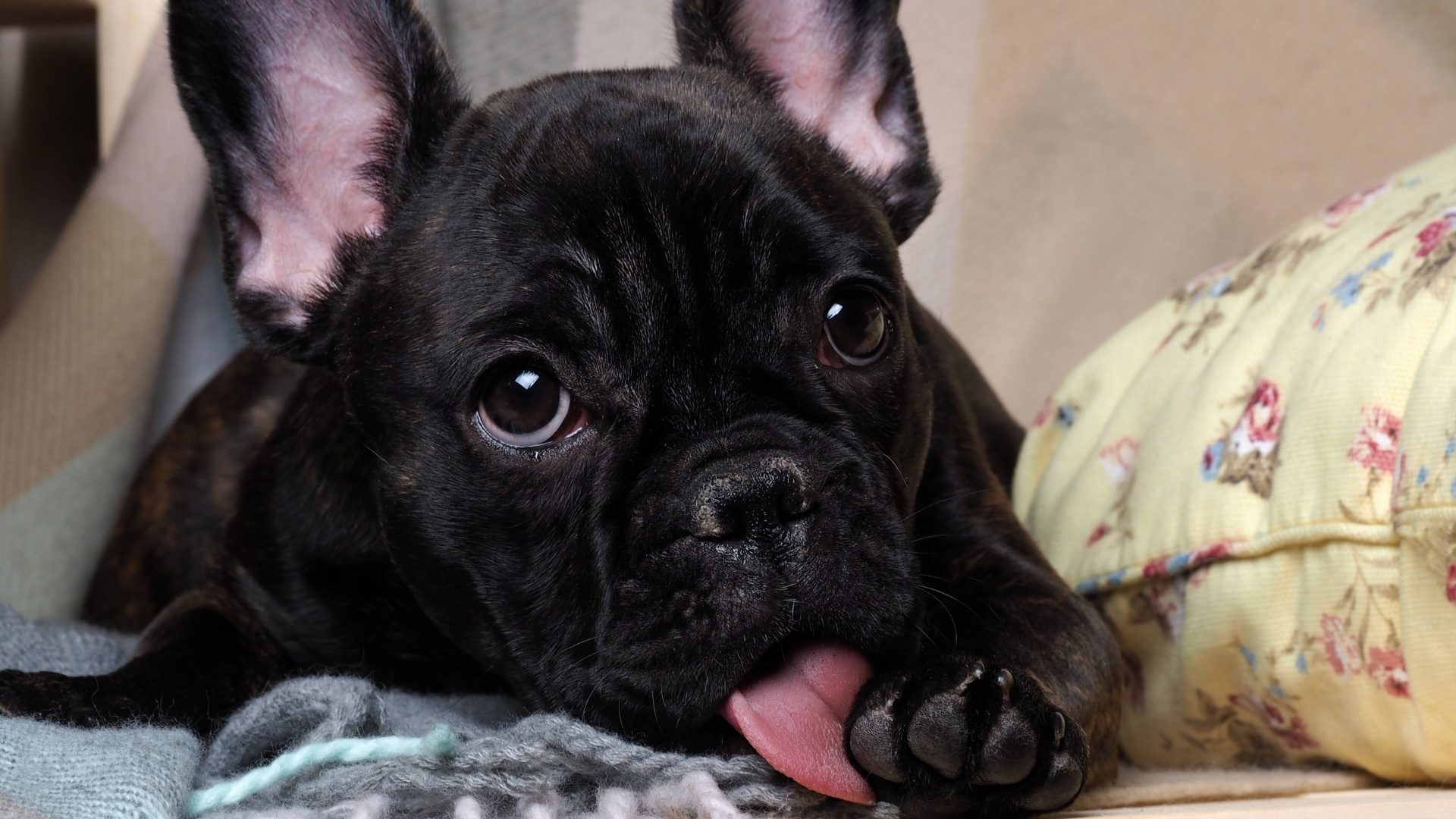
Signs Your Dog’s Itching May Be Anxiety-Related
It can be difficult to distinguish anxiety-related itching from medical causes. However, certain signs and symptoms may help differentiate anxiety from itching.
Consider anxiety as a factor if:
- Veterinary tests show no parasites or infection
- Itching increases during stressful events
- Your dog licks one specific area repeatedly
- Hair thinning occurs without a clear dermatologic disease
- Symptoms improve in calm environments
- Your dog shows other signs of anxiety

Common symptoms of anxiety in dogs include:
- Restlessness
- Pacing
- Whining
- Destructive behavior
- Excessive attachment
- Hiding during loud noises
You should always involve a veterinarian to make a diagnosis. Anxiety-related itching is a diagnosis of exclusion.
Common Anxiety Triggers in Dogs

Many everyday situations can trigger stress in dogs.
Common triggers include:
- Separation from the owner
- Loud noises such as fireworks or storms
- Changes in routine
- Moving to a new home
- Introduction of a new pet
- Lack of physical exercise
- Lack of mental stimulation
Working dogs and highly active breeds may be especially sensitive to under-stimulation. When their physical and mental needs are not met, stress behaviors may develop.
How Veterinarians Diagnose Anxiety-Related Itching
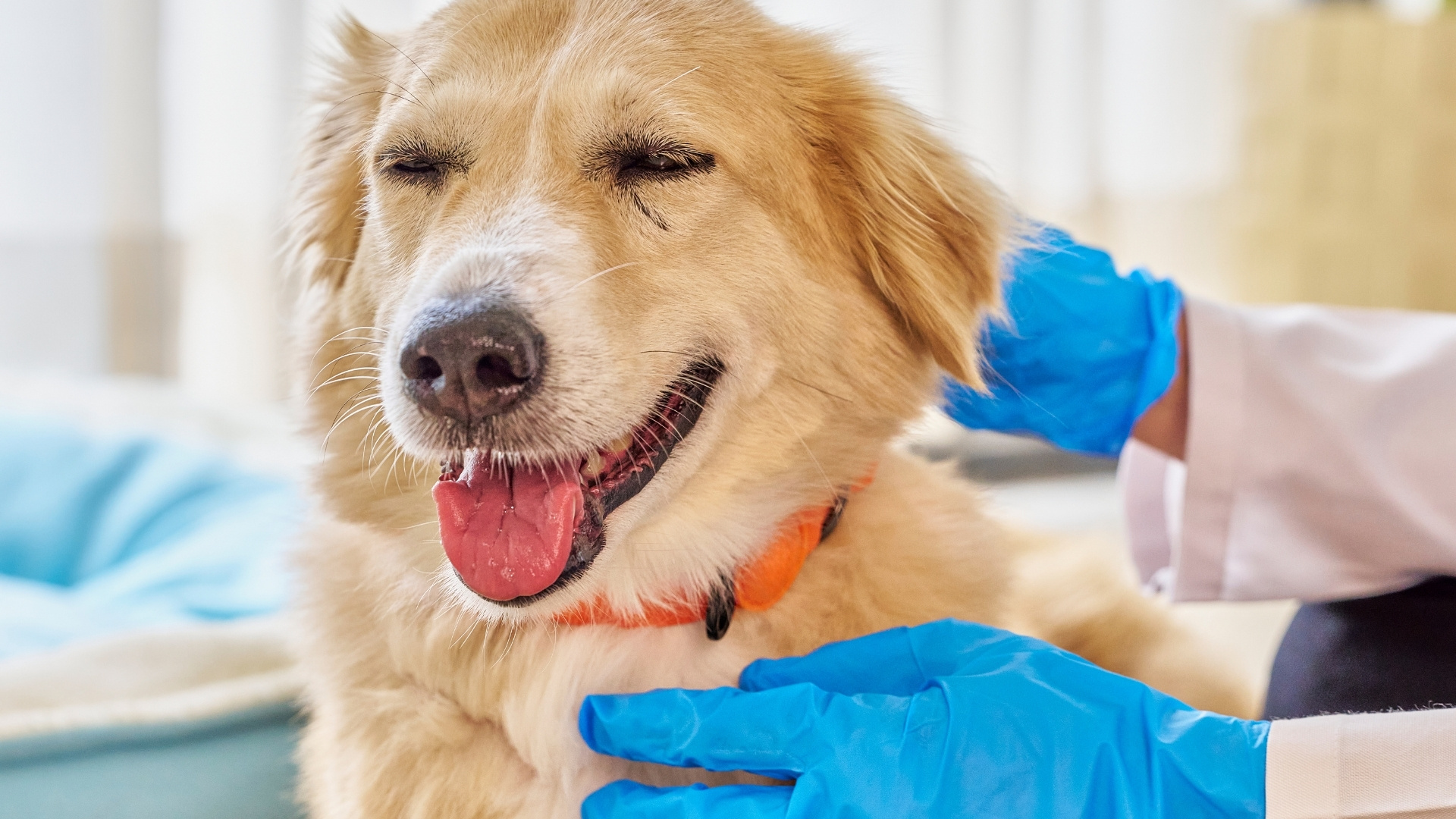
First, the veterinarians rule out physical causes through:
- Skin examination
- Skin scrapings
- Cytology tests
- Allergy evaluation
- Blood testing if needed
If no clear medical cause is identified, they do a behavioral assessment. The veterinarian may ask about routine, environment, and stress triggers.
Only after excluding physical causes can anxiety-related itching be considered likely.
How You Can Reduce Anxiety-Related Itching in Your Dog
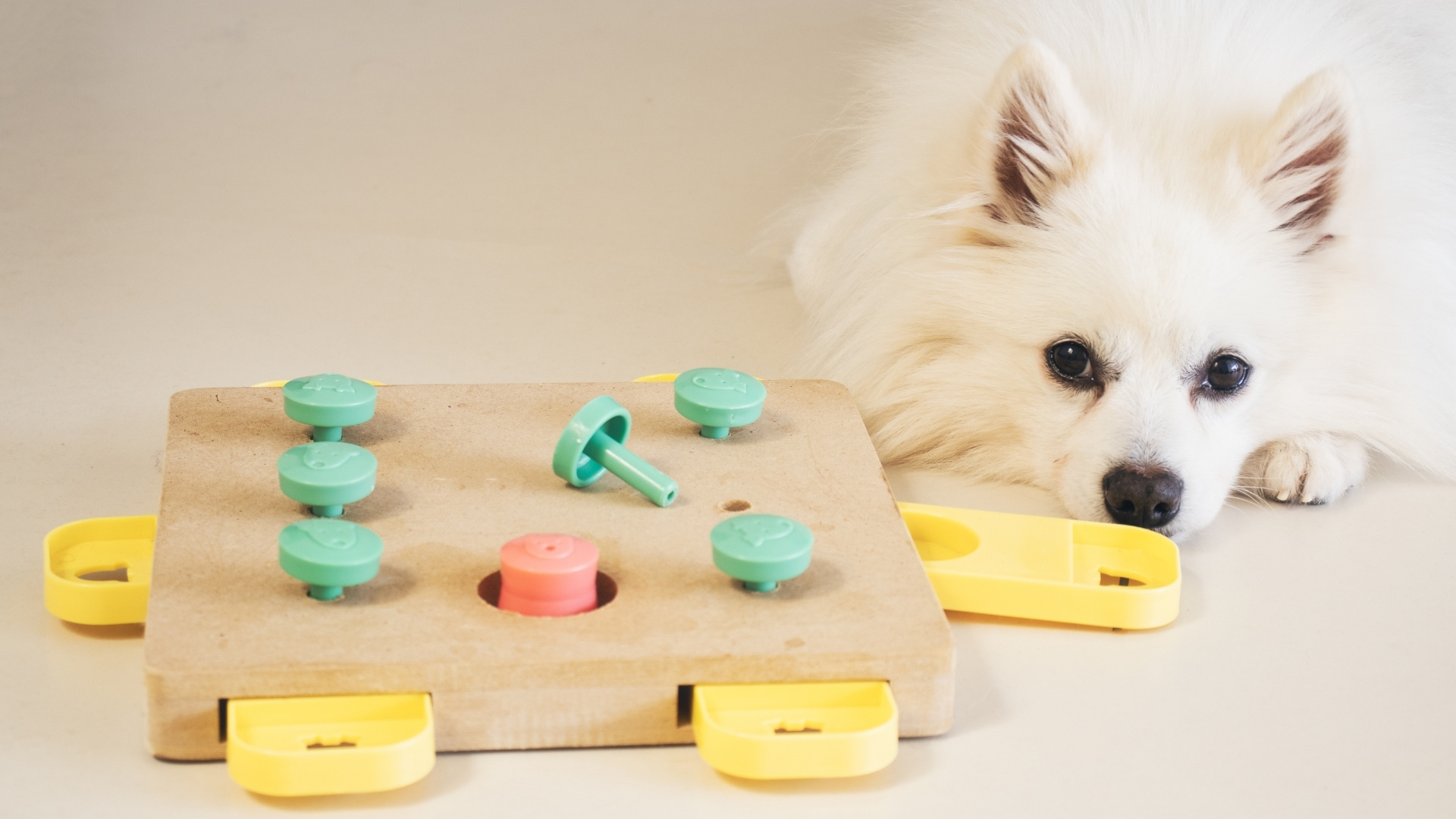
If your dog is scratching, licking, or chewing excessively and medical causes have been ruled out, anxiety may be playing a role. Stress can trigger or worsen itching through hormonal and immune responses. To help your dog, you need to support both their emotional well-being and their skin health.
The following are a few ways to reduce itching in dogs due to anxiety:
1. Enrich Your Dog’s Environment
A mentally stimulated dog is less likely to channel stress into scratching or licking. When your dog’s brain is engaged, anxiety-driven behaviors often decrease.
You can provide:
- Puzzle feeders to make mealtime stimulating
- Interactive toys to prevent boredom
- Short, daily training sessions to build focus and communication
- Scent-based games that tap into natural instincts
Regular structured activity helps regulate your dog’s mood and reduces stress levels over time.

2. Maintain Routine and Predictability
Dogs feel safest when life is predictable. Irregular schedules can increase anxiety and trigger stress-related itching.
You should aim to maintain:
- Fixed feeding times
- Consistent daily walks
- A quiet, predictable sleeping area
When your dog knows what to expect, their nervous system remains calmer, which can reduce stress-induced scratching.

3. Use Positive Behavioral Training
Avoid punishment if your dog is licking or scratching excessively. Instead, focus on positive reinforcement to build confidence and emotional stability.
If your dog reacts to specific triggers such as loud noises, visitors, or separation, gradual desensitization techniques can help. This involves slowly exposing them to triggers in a controlled and positive way.
If anxiety is severe or persistent, consult a veterinary behaviorist.

4. Support Skin Health Through Nutrition
Your dog’s diet directly affects skin integrity and immune balance. A complete and balanced diet helps maintain a healthy skin barrier.
You may consider:
- Ensuring high-quality nutrition
- Discussing omega fatty acid supplementation with your veterinarian
- Encouraging adequate hydration
Healthy skin is more resilient and less prone to irritation, even under stress.
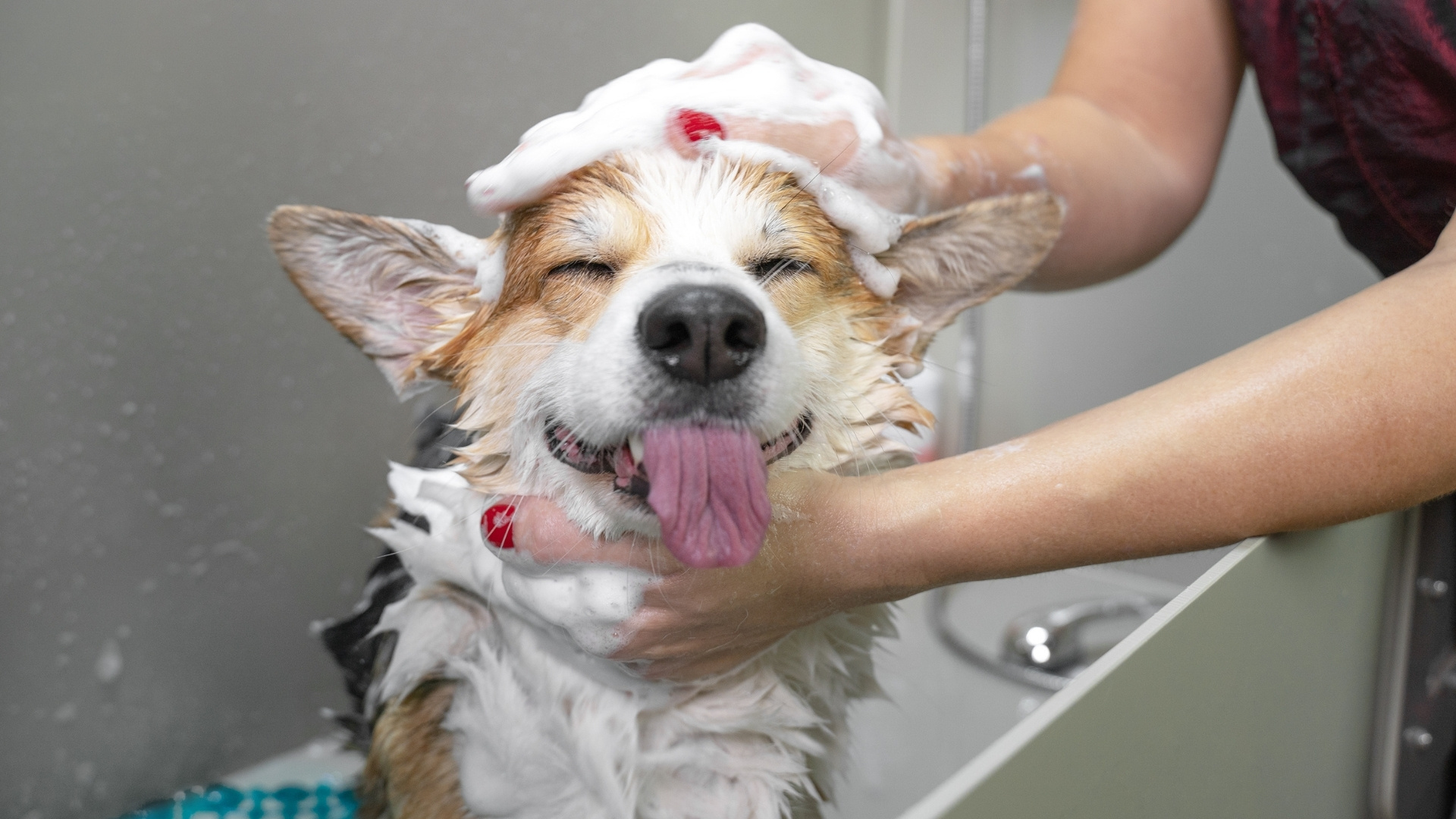
5. Practice Gentle Skin Care
Use only veterinarian-approved, mild shampoos. Avoid harsh chemicals or over-bathing, as this can strip natural oils and worsen itching.
Additionally:
- Keep bedding clean and dry
- Monitor for early signs of redness or irritation
- Seek early treatment for minor skin issues
Addressing small irritations early prevents them from developing into chronic problems.
Reducing anxiety-related itching requires patience and consistency. When you support your dog emotionally while also protecting their skin, you address the root cause rather than just the symptom. Over time, this integrated approach can significantly improve your dog’s comfort and overall well-being.
How ANF Animal Therapy® May Support Dogs with Anxiety-Related Itching
Most dog owners explore complementary approaches alongside veterinary care. ANF Animal Therapy® is a non-invasive and frequency-based method designed to support the body’s natural regulatory processes.
For dogs experiencing stress-related itching, ANF Animal Therapy® is designed to:
- Support overall nervous system balance
- Contribute to normal immune function
- Support general skin comfort
- Promote overall well-being
ANF Animal Therapy® is not a substitute for veterinary diagnosis, medical treatment, or behavioural therapy. It may be considered as part of a broader care plan under professional guidance.
When to Seek Professional Help
You should contact your veterinarian if:
- Itching lasts more than two weeks
- Skin becomes red, raw, or infected
- Hair loss spreads
- Your dog becomes lethargic
- Behavioral changes are sudden or severe
- Anxiety interferes with daily function
Early intervention prevents chronic skin damage and long-term behavioral issues.
Prevention Tips for Anxiety-Related Itching
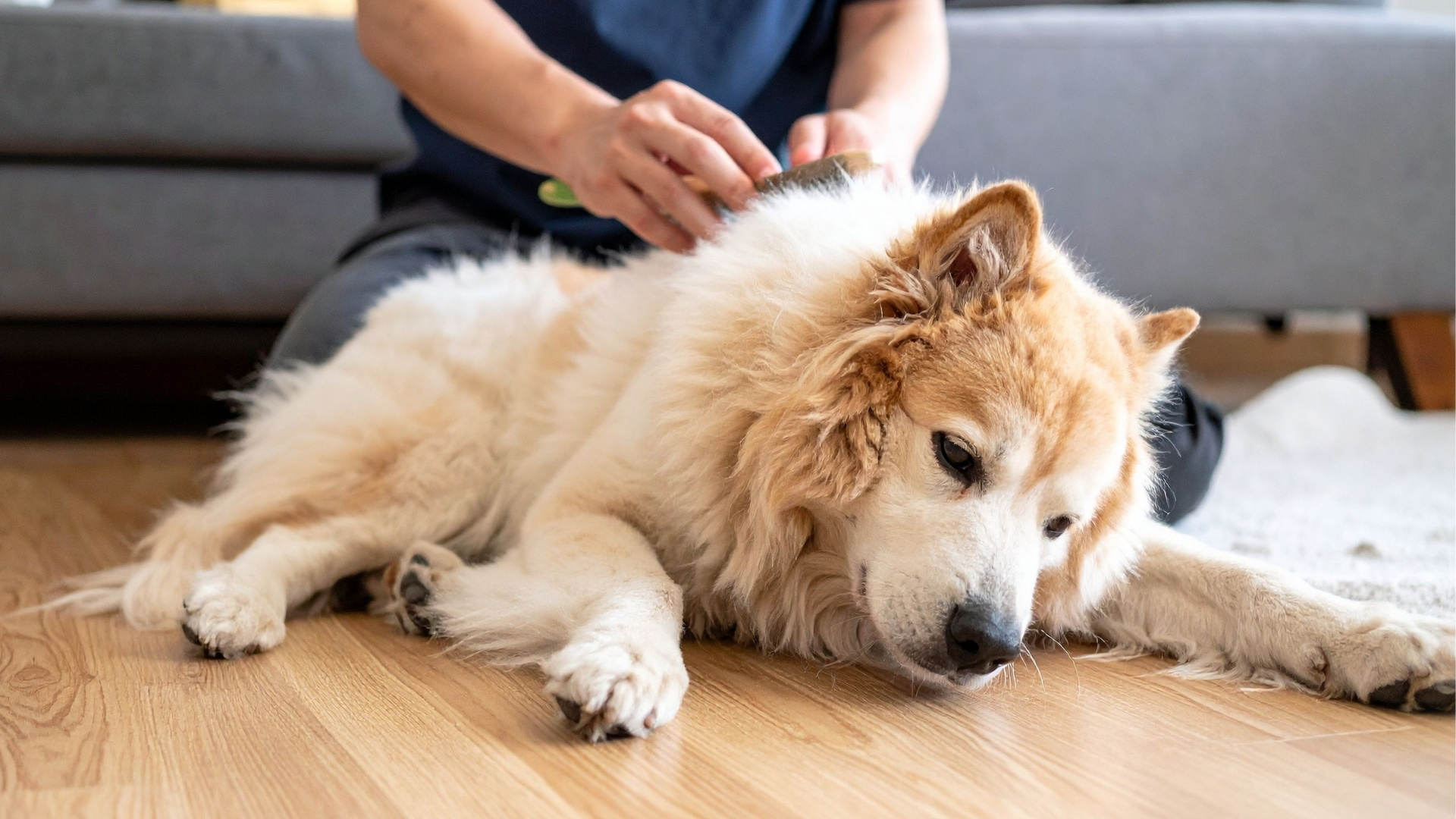
Preventive strategies protect both mental and skin health.
- Provide daily exercise appropriate for breed and age
- Offer mental stimulation
- Maintain a stable routine
- Address minor stress signs early
- Schedule regular veterinary checkups
- Monitor skin and coat weekly
Early observation allows early correction.
Frequently Asked Questions
Can stress alone cause itching in dogs?
Yes, chronic stress can contribute to itching in some dogs. However, medical causes must always be ruled out first.
How do I know if my dog’s itching is anxiety or allergies?
Allergies often follow seasonal or dietary patterns and may involve ear infections or widespread inflammation. Anxiety-related itching often correlates with stressful situations and may involve repetitive licking of one area. Veterinary evaluation is essential.
Can calming strategies reduce scratching?
Yes. Environmental enrichment, consistent routine, and behavioral training can reduce anxiety-driven behaviors in many dogs.
Is anxiety-related itching permanent?
No. Most dogs improve significantly with proper management of stress triggers and supportive care.
Final Thoughts: Can Itching Be a Sign of Anxiety in Dogs?
Itching can be a sign of anxiety in dogs, but most cases of itching are linked to allergies or infections. However, emotional stress can influence skin health and lead to repetitive scratching or licking behaviors.
If your dog has itching, consult a veterinarian to rule out medical causes first. After a detailed assessment, they will address mental and emotional well-being.
By combining veterinary guidance, environmental management, behavioral support, and complementary approaches such as ANF Animal Therapy®, you can help protect both your dog’s skin and emotional balance. If your dog is experiencing itching, consult an ANF Animal Practitioner today to discuss how ANF Animal Therapy® can help. You can find a certified ANF Animal Therapist by visiting anfanimal.com and begin your animal’s healing journey with ANF Animal Therapy®.
If you are an animal health professional or a veterinarian and want to upgrade your clinical skills with frequency based approach, explore the ANF Animal Therapy® Education Program at anfanimal.com.