
Latest
Can Itching in Dogs Be a Sign of Cancer?


Can Itching in Dogs Be a Sign of Cancer? What Every Dog Owner Should Know
Itching is one of the most common reasons dog owners visit the veterinarian. Excessive scratching, licking, and biting at the skin can quickly become stressful for both you and your pet.
As a dog owner, your common concern may be: Can itching in dogs be a sign of cancer?
The honest answer is yes, but it is uncommon. Most cases of itching in dogs are caused by allergies, parasites, or skin infections. Cancer is a much less frequent cause. However, persistent or unusual itching should always be evaluated properly. Early attention provides clarity and peace of mind.
In this article, you will learn when itching is harmless, when it may indicate something more serious, and how you can support your dog’s skin health safely.
Understanding Itching in Dogs

What Is Pruritus?
Pruritus is the medical term for itching. It refers to an uncomfortable skin sensation that triggers scratching, licking, or chewing.
Occasional scratching is normal. However, persistent scratching that disrupts sleep, damages the skin, or causes hair loss is not normal and requires attention.
Common Causes of Itching in Dogs
In most cases, itching is caused by common and manageable conditions. These include:
- Fleas and external parasites
- Food allergies
- Environmental allergies such as pollen or dust mites
- Bacterial or fungal skin infections
- Dry skin
- Hormonal imbalances
According to the American Kennel Club, allergies are one of the most frequent causes of skin irritation in dogs. For most dogs, cancer is not the first or most likely explanation.
Can Itching in Dogs Be a Sign of Cancer?
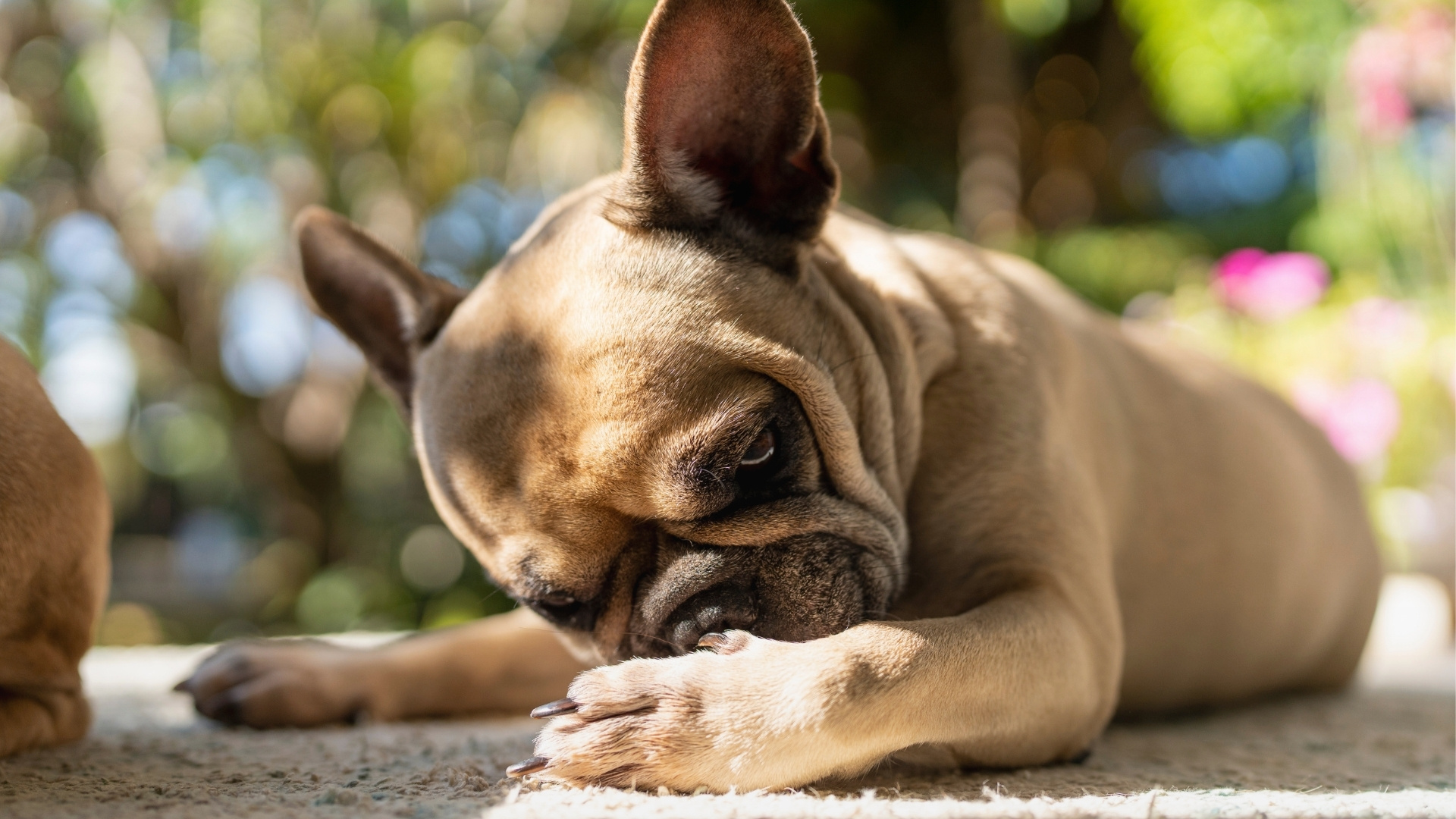
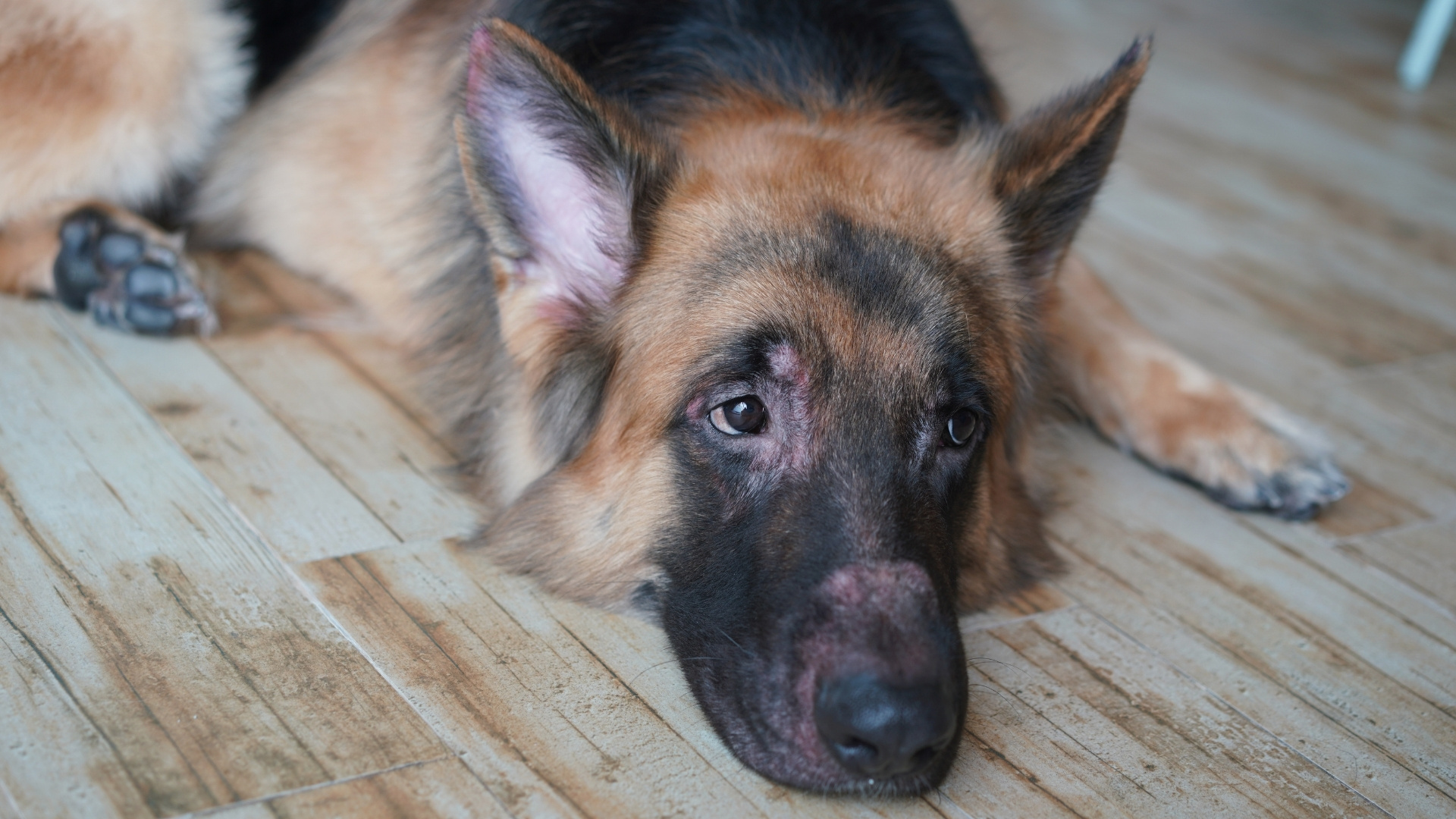
Yes, itching in dogs can sometimes be associated with cancer. However, this is rare compared to other causes. However, itching alone does not automatically indicate cancer. It usually appears alongside other clinical signs.
Types of Cancer That May Cause Itching
Some specific cancers can affect the skin or the immune system, leading to itching. These include:
Mast cell tumors
These tumors release histamine and other inflammatory substances that may cause redness, swelling, and itching.
Cutaneous lymphoma
This type of cancer affects the skin and can resemble chronic dermatitis. It may cause scaling, redness, and persistent irritation.
Other skin tumors
Some masses become inflamed or ulcerated that can cause localized itching.
Internal cancers
In rare cases, internal malignancies may disrupt immune regulation and indirectly contribute to generalized itching.
It is important to remember that these cases are uncommon. Most itchy dogs do not have cancer.
Warning Signs That Require Veterinary Attention

While itching alone is usually not cancer, if you observe certain signs, get your dog evaluated immediately.
Contact your veterinarian if you notice:
- A lump or mass on the skin
- Rapid growth of a skin lesion
- Sores or ulcers that do not heal
- Sudden hair loss around a specific mass
- Persistent redness that does not improve with treatment
- Unexplained weight loss
- Low energy or lethargy
- Swollen lymph nodes
These signs do not confirm cancer, but they require proper examination and testing.
How Veterinarians Diagnose the Cause of Itching
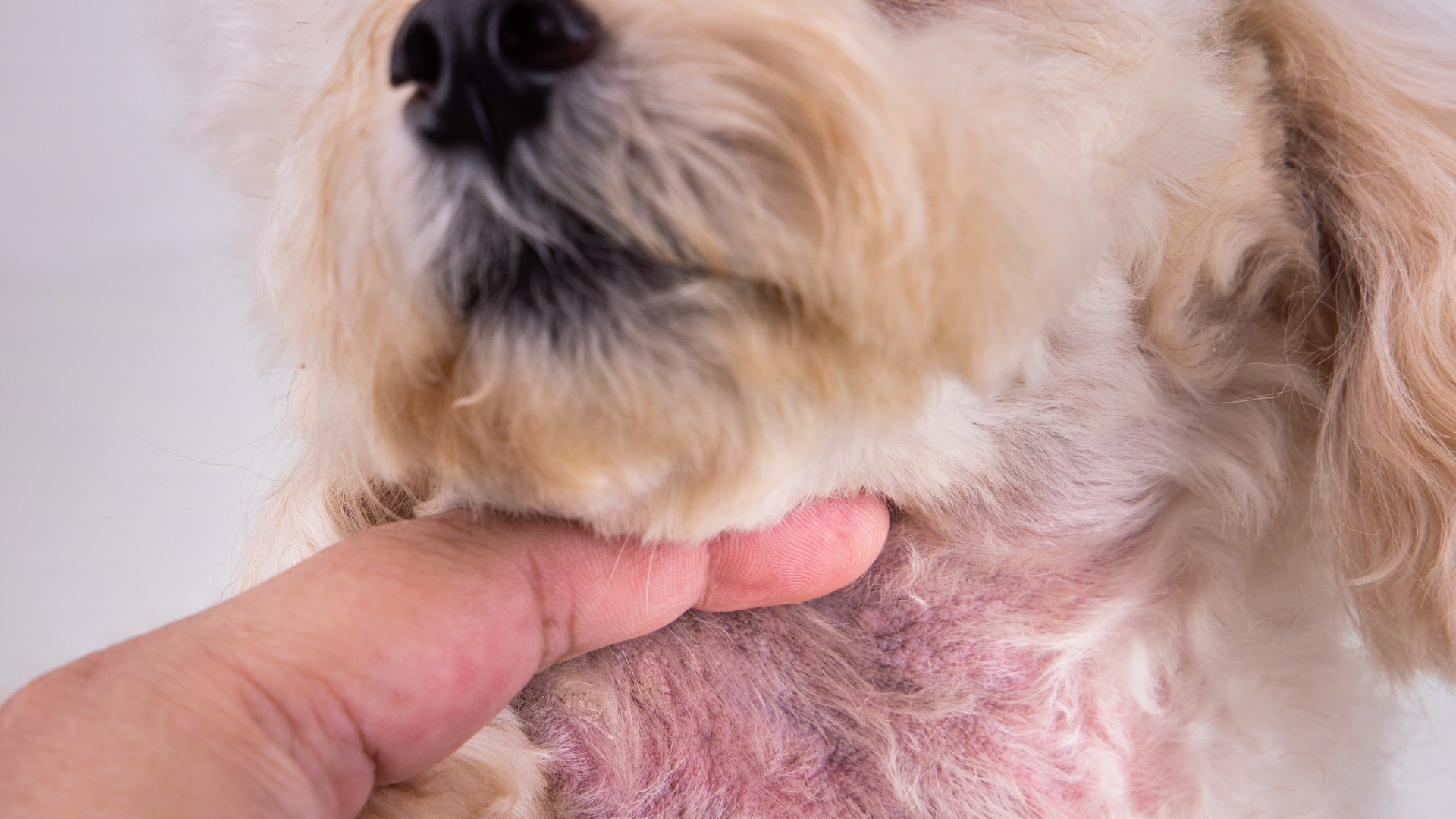
A structured diagnostic approach involves clinical assessment and diagnostic tests to rule out serious conditions.
Clinical Examination
Your veterinarian will assess:
- Skin condition and coat quality
- Presence of lumps or lesions
- Lymph node size
- Overall body condition
Diagnostic Tests
Your veterinarian may recommend the following tests depending on findings:
- Skin scrapings to check for parasites
- Cytology to examine cells under a microscope
- Blood tests to assess systemic health
- Biopsy of suspicious masses
- Imaging if internal disease is suspected
These tests allow accurate identification of the cause. They help distinguish allergies from infections and from more serious diseases such as cancer.
When Is Itching More Likely Not Cancer?
In most cases, patterns of itch indicate whether it is due to cancer or any other health condition.
Itching is more likely due to allergies or skin irritation when:
- It occurs seasonally
- There are no visible masses
- The dog is young
- The itching improves with allergy treatment
- There is a history of atopic dermatitis
If your dog has this type of itching, it is less likely to have cancer.
Managing Itching in Dogs Safely
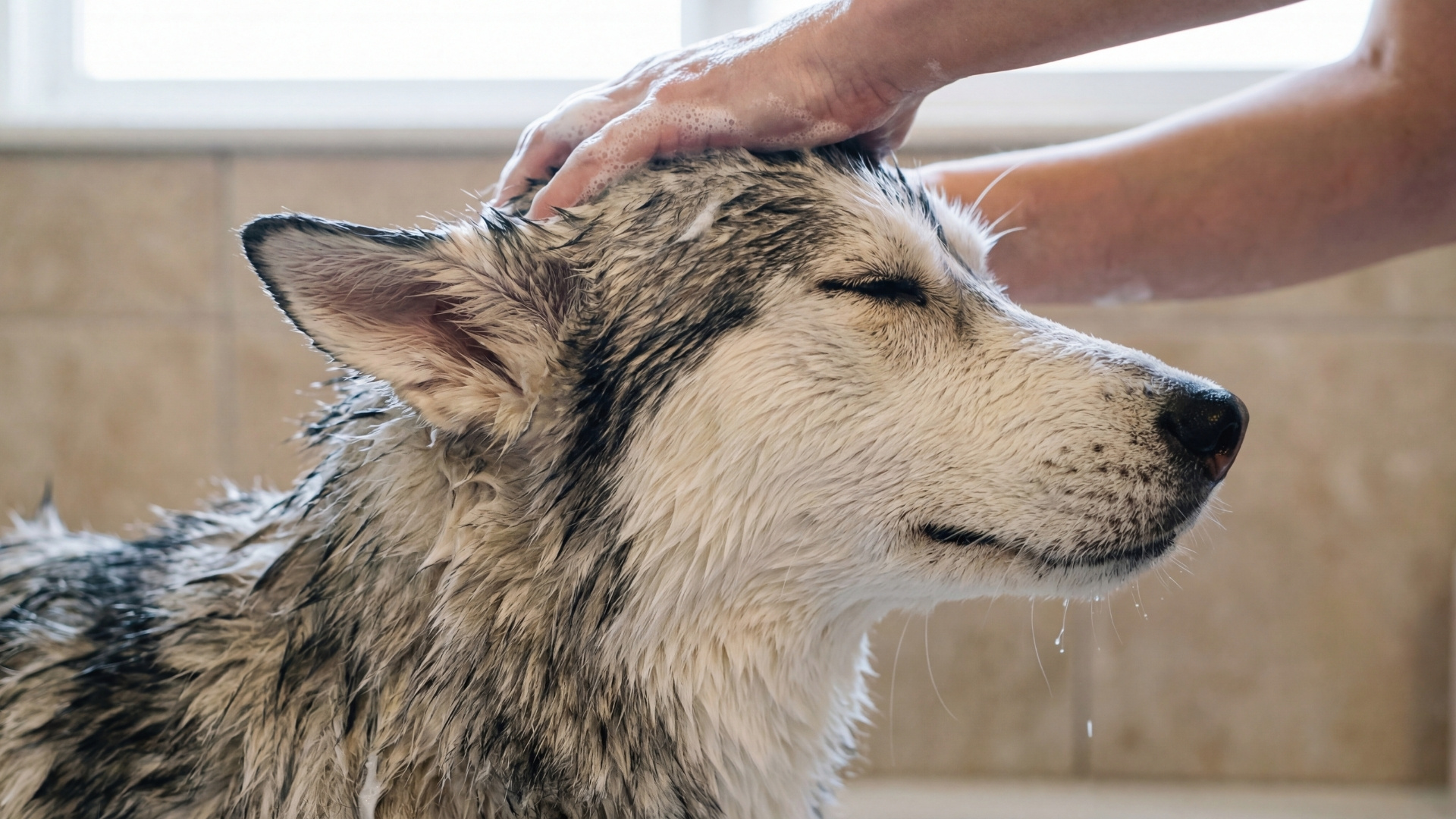
The management of itching depends on the root cause. General supportive strategies to manage itching in dogs include the following strategies:
- Maintaining regular flea prevention
- Feeding a balanced, high-quality diet
- Using gentle, veterinarian-approved shampoos
- Keeping bedding clean
- Reducing environmental allergens when possible
- Addressing itching early before skin damage develops
Early treatment prevents secondary infections and chronic inflammation.
How ANF Animal Therapy® May Help with Itching in Dogs
Some owners look for complementary and non-invasive options to support their dog’s comfort. ANF Animal Therapy® is a frequency-based approach designed to support the body’s natural regulatory and healing processes.
ANF Animal Therapy® does not replace veterinary diagnosis or treatment. It may be used alongside conventional care as part of a broader support plan.
In cases of itching, ANF Animal Therapy® may:
- Support immune system balance
- Help maintain healthy inflammatory responses
- Promote overall skin comfort
- Support general well-being
It is a chemical-free and non-invasive approach that is gentle and safe for your dog. If you are seeking an additional supportive option along with standard treatment, consult a certified ANF Animal Practitioner to discuss how ANF Animal Therapy® can help.
Prevention Tips to Protect Your Dog’s Skin
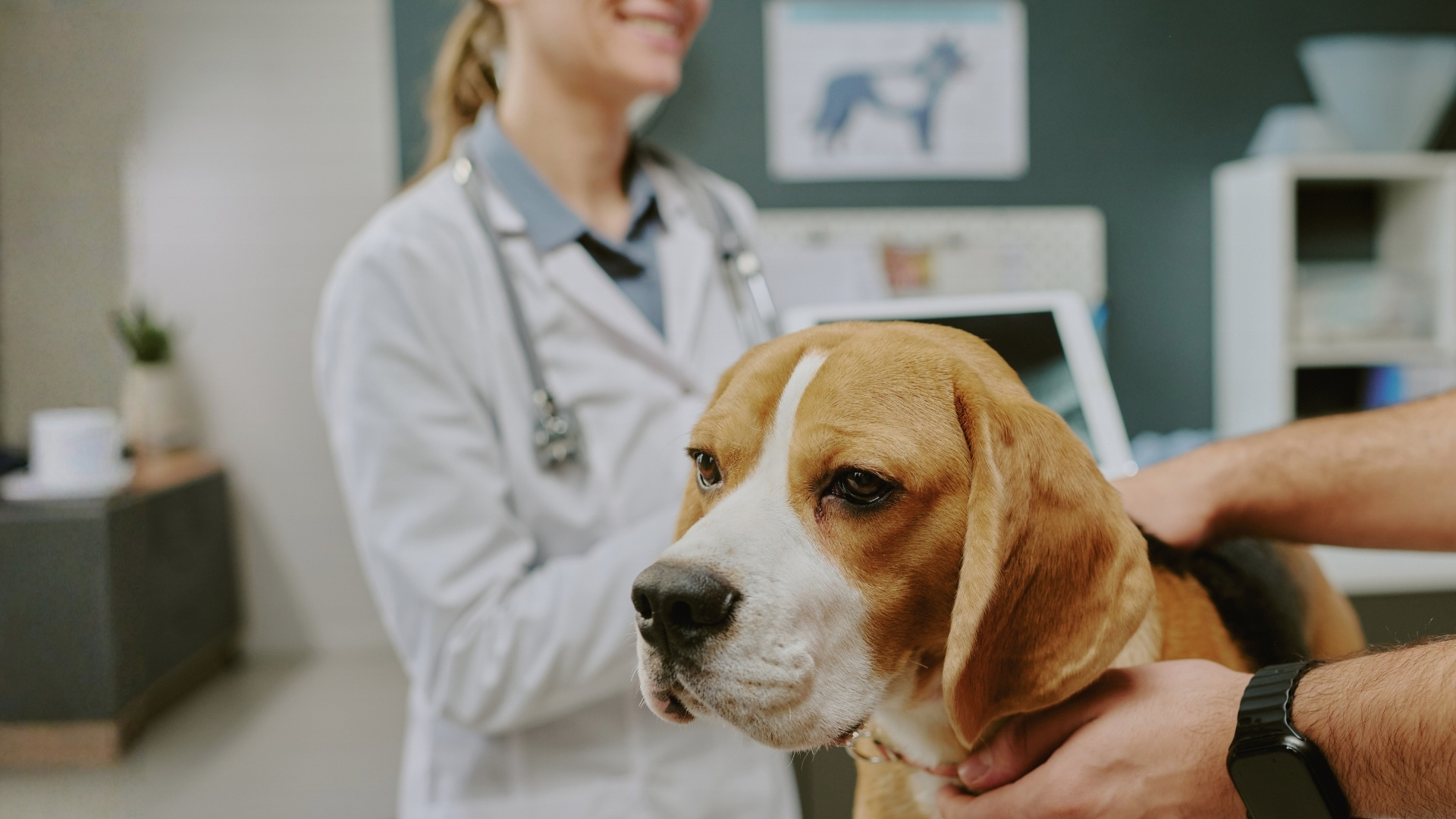
Prevention is easier than treatment. If you do consistent care, it reduces the risk of chronic irritation.
Follow these practical steps to prevent itching:
- Maintain year-round flea prevention
- Feed a nutritionally balanced diet
- Avoid harsh chemicals and strong shampoos
- Schedule routine veterinary checkups
- Address itching early before it worsens
Regular observation is essential. Check your dog’s skin and coat during grooming sessions.
Frequently Asked Questions
Is itching always serious?
No. Most dog itching is related to allergies or parasites. It becomes serious when it is persistent, worsening, or associated with other systemic signs.
Should I worry about cancer immediately?
No. Cancer is a rare cause of itching. However, if unusual lumps, non-healing wounds, or systemic symptoms are present, veterinary evaluation is necessary.
How long should itching last before seeing a veterinarian?
If itching persists for more than one to two weeks, worsens, or causes skin damage, schedule a veterinary appointment. Earlier evaluation is recommended if additional concerning signs appear.
Final Thoughts: Can Itching in Dogs Be a Sign of Cancer?
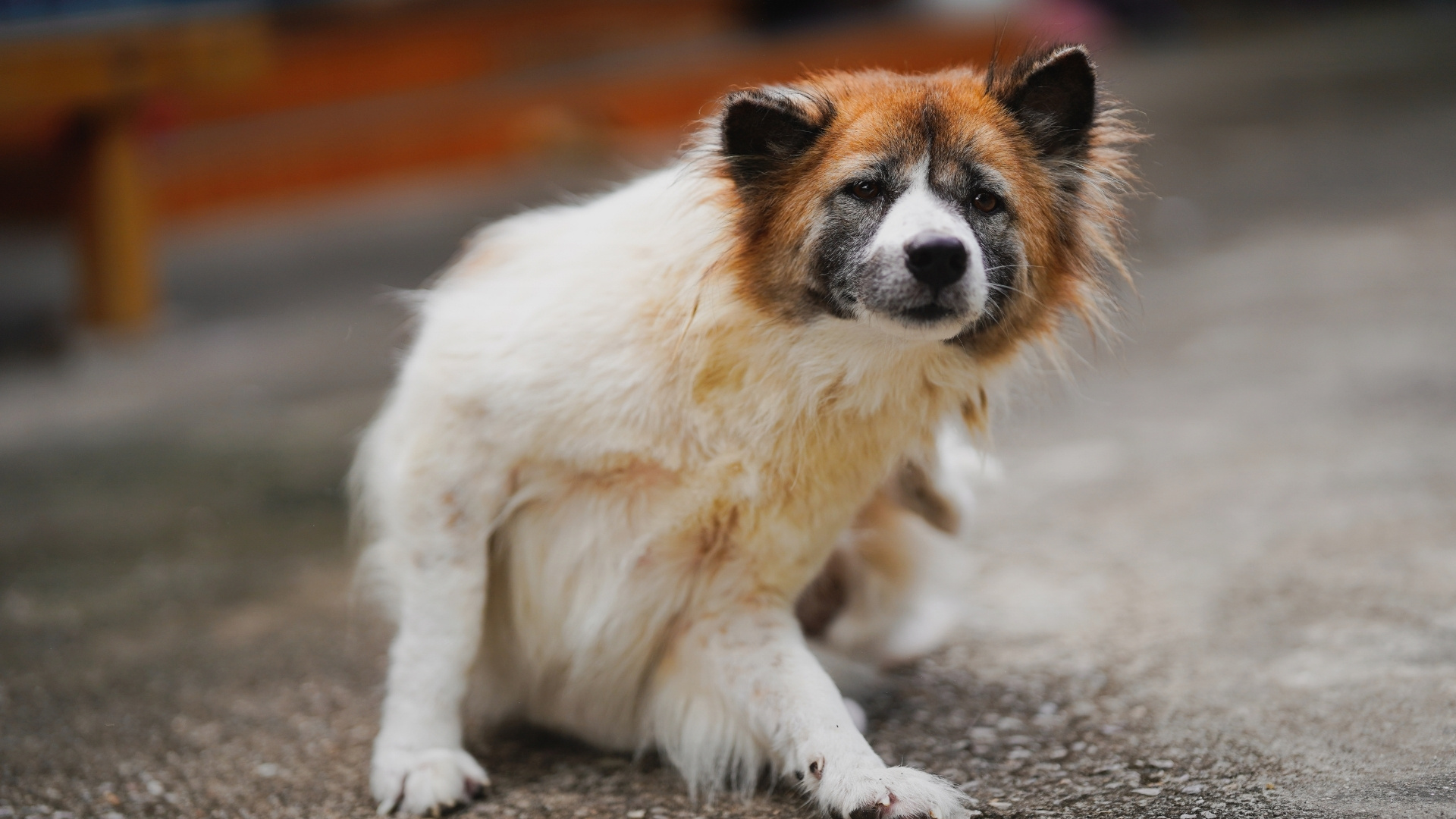
Itching in dogs can be a sign of cancer, but it is uncommon. Most itchy dogs have allergies, parasites, or skin infections. Cancer-related itching is rare and usually accompanied by other warning signs such as weight loss, lethargy, unexplained illness, and a tumor or mass in the body.
You can help protect your dog’s skin health and overall well-being by combining proper nutrition, preventive care, veterinary guidance, and supportive approaches such as ANF Animal Therapy®.
If your dog is scratching more than usual, do not panic. Monitor closely, act early, and seek professional advice when needed. Clear action and informed decisions will always serve your dog best.
If your dog is experiencing itching, consult an ANF Animal Practitioner today to discuss how ANF Animal Therapy® can help. You can find a certified ANF Animal Therapist by visiting https://anfanimal.com and begin your animal’s healing journey with ANF Animal Therapy®.
If you are an animal health professional or a veterinarian and want to upgrade your clinical skills with frequency based approach, explore the ANF Animal Therapy® Education Program at anfanimal.com.