
Latest
Why Animals Still Need Non-Invasive Therapies: When Pills and Injections Aren’t Enough


Modern veterinary medicine has achieved remarkable advances. From sophisticated diagnostics to targeted medications and surgical techniques, animals today receive care that would have been unimaginable decades ago. Yet despite these developments, many animals continue to face challenges with pain, limited mobility, or slow recovery even while receiving appropriate medical treatment.
This reality has prompted veterinarians, therapists, and pet owners to look at supportive, non-invasive approaches that can work alongside conventional care. These methods don't aim to replace veterinary medicine. They're designed to complement it when standard treatments alone don't fully meet an animal's needs.
This article explores why supportive therapies matter, the practical limitations of relying solely on medication, and how approaches like ANF Animal Therapy® fit into an integrated care plan.
Understanding the Boundaries of Medication-Based Care

Medications and injections form the foundation of much veterinary treatment. Pain relievers, anti-inflammatory drugs, antibiotics, and various therapeutic injections provide necessary, sometimes life-saving support. However, these interventions have practical boundaries, particularly when used as the only approach.
Managing Symptoms vs. Restoring Function
Many medications focus on controlling symptoms rather than rebuilding full function. An animal may move more comfortably with pain relief, but this doesn't always address underlying movement patterns, muscle coordination issues, or persistent inflammation.
In long-term conditions like arthritis, spinal problems, or ligament issues, animals may continue experiencing stiffness, weakness, or altered movement even while medicated. Full functional recovery often needs more than symptom management alone.

Considerations with Long-Term Medication
Chronic conditions typically require ongoing medication. Over time, this can involve considerations such as:
- Digestive system sensitivity
- Organ function monitoring
- Changing effectiveness over time
- Dosage limitations
- Individual tolerance variations
For older animals, working animals, or those with existing health concerns, medication as the sole strategy may present challenges that warrant additional support methods.
Treatment Stress and Animal Comfort
Repeated injections and frequent medication routines can create anxiety for some animals. Certain pets become apprehensive or resistant during treatment, while others develop sensitivities that complicate continued use.
Supportive therapies that don't involve injections or internal medication processing can offer gentler options, particularly for sensitive or aging animals.
The Role of Non-Invasive Supportive Therapies

Non-invasive supportive therapies work without breaking the skin, administering drugs, or introducing chemicals internally. These approaches aim to work with an animal's existing physiology.
Working With Natural Systems
Animals have complex healing systems involving nervous function, immune response, circulation, and cellular repair. Injury, illness, or ongoing stress can interrupt these systems. Supportive therapies seek to help restore balance within these natural networks.
This perspective aligns well with rehabilitation, physical therapy, and integrative veterinary approaches, where the focus extends beyond immediate relief toward lasting function.
Application Across Different Situations
Non-invasive supportive therapy can be considered for:
- Older animals with progressive conditions
- Young animals in injury recovery
- Working or performance animals under physical demand
- Post-surgical rehabilitation
- Animals with medication sensitivities or limitations
This flexibility makes it a practical addition to various care situations.
ANF Animal Therapy®: A Frequency-Based Approach

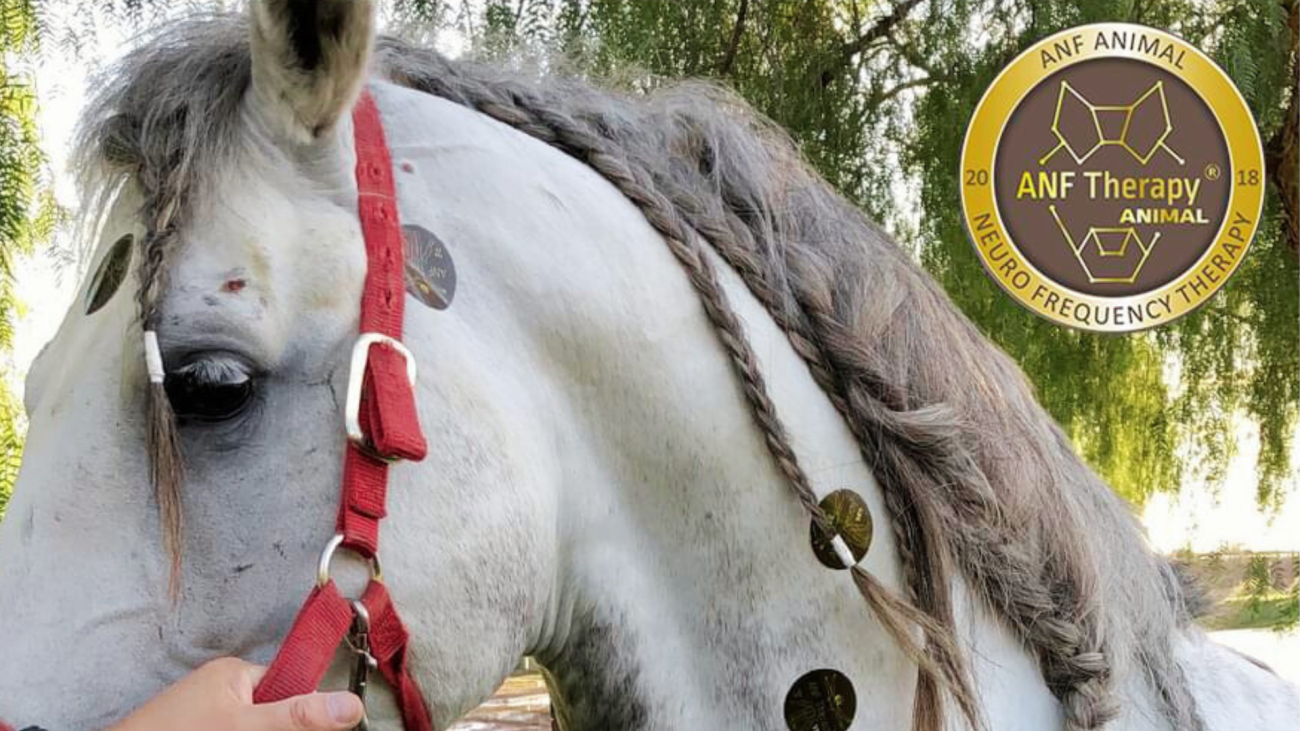
ANF Animal Therapy® represents one example of supportive, non-invasive care. The method involves small, wearable devices applied externally to the animal's body.
The approach doesn't use injections, medications, or invasive procedures.
Supportive Care in Long-Term Conditions
Long-term conditions often reveal where medication alone may not fully address an animal's needs.
Joint and Mobility Issues
Arthritis commonly affects aging animals and is often managed with pain medication or anti-inflammatory drugs. While these can ease discomfort, they don't restore joint mechanics, muscle coordination, or nerve signaling patterns.
Supportive therapies can address mobility, circulation, and neuromuscular coordination as part of a broader treatment plan.
Nerve and Spinal Concerns
Spinal issues, nerve irritation, and disc-related problems involve complex nervous system function. Medication may reduce pain, but signaling and coordination challenges can persist.
Recovery After Surgery or Injury
Following surgery or trauma, healing requires more than pain management. Tissue repair, muscle re-education, and circulation all contribute to recovery.
Supportive therapies like ANF Animal Therapy® can work alongside surgical healing and medication protocols, making them useful additions to rehabilitation programs.

Stress, Comfort, and Healing
Stress measurably affects healing. Animals dealing with ongoing discomfort, repeated procedures, or movement restrictions often develop heightened nervous system responses. This can slow recovery and increase sensitivity.
Non-invasive supportive therapy offers a low-stress option. External application avoids discomfort and allows animals to remain calm during treatment.
What the Process Involves
Individual Assessment
ANF Animal Therapy® begins with detailed assessment by a trained practitioner. They evaluate movement, posture, history, and overall condition. Each animal receives an individualized protocol rather than a standard template.
Application and Monitoring
Devices are applied externally to the skin. Animals typically continue normal activities during therapy.
Progress is observed, and protocols may be adjusted based on response. This flexibility allows the approach to evolve as healing progresses.
Integration With Veterinary Care
Supportive therapy works most effectively as part of an integrated care plan. Veterinary diagnosis, medical management, rehabilitation exercises, nutrition, and lifestyle factors all contribute to outcomes.
Why This Approach Appeals to Owners and Professionals

Several practical factors drive interest in supportive, non-invasive therapies:
- Gentle support suitable for aging or sensitive animals
- Compatibility with rehabilitation and physical therapy
- Support for performance, longevity, and quality of life
Animal Welfare Considerations
Animal welfare remains central to veterinary practice. Approaches that minimize discomfort, anxiety, and invasive intervention align with current welfare standards.
Non-invasive methods like ANF Animal Therapy® respect an animal's physiology and comfort, making them ethically suitable for long-term management and supportive care.
Moving Forward
Supportive, non-invasive therapies are becoming increasingly relevant in animal care. When standard treatments don't fully restore comfort, mobility, or function, approaches that work with the body's natural systems can provide valuable support.
By combining veterinary medicine with supportive therapies, owners and professionals can provide animals with a more comprehensive and compassionate path toward healing and sustained well-being.