
Latest
Understanding Anxiety in Dogs: Common Signs to Watch For


Dogs, much like humans, can experience stress and anxiety. While it’s easy to assume that your furry friend is just being “nervous” or “hyper,” Anxiety in dogs can manifest in ways that affect their health, behavior, and overall quality of life. Therefore, it is important to recognise the signs early and manage accordingly.
ANF Animal Therapy® is a non-invasive, frequency-based approach designed to support your animal's natural healing mechanisms. When used responsibly and under a veterinarian's supervision, it may help with comfort, recovery, and functional balance across a range of animal presentations.
In this blog, we will discuss the common signs of anxiety in dogs, why they happen, and what pet owners can do to help their canine companions feel more secure.
What Causes Anxiety in Dogs?
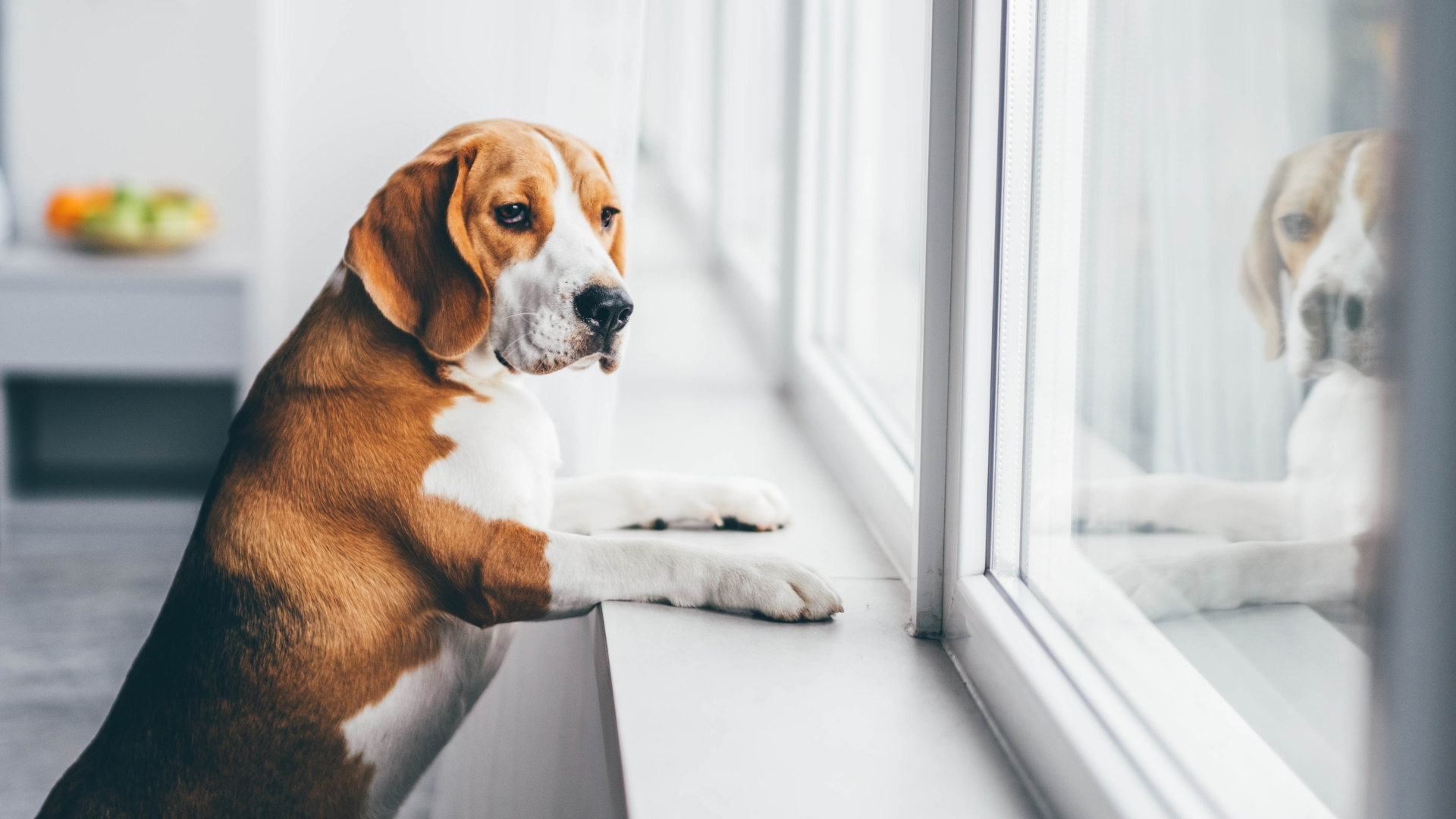
It is important to understand that anxiety in dogs is often triggered by a variety of factors. Some of the most common causes include:
- Separation Anxiety: Many dogs feel distress when left alone or separated from their owners.
- Fear of Loud Noises: Fireworks, thunderstorms, and construction sounds can trigger fear responses.
- Changes in Environment: Moving homes, adding new family members (human or animal), or changing routines can cause stress.
- Past Trauma: Dogs who have been abandoned, abused, or rescued from uncertain situations may carry lingering anxiety.
- Medical Conditions: Pain, illness, or cognitive decline in older dogs can sometimes manifest as anxiety-like behaviors.
Understanding the cause can help guide the approach to managing your dog’s anxiety, but recognizing the signs is the first step. The following are signs of anxiety in your dogs:
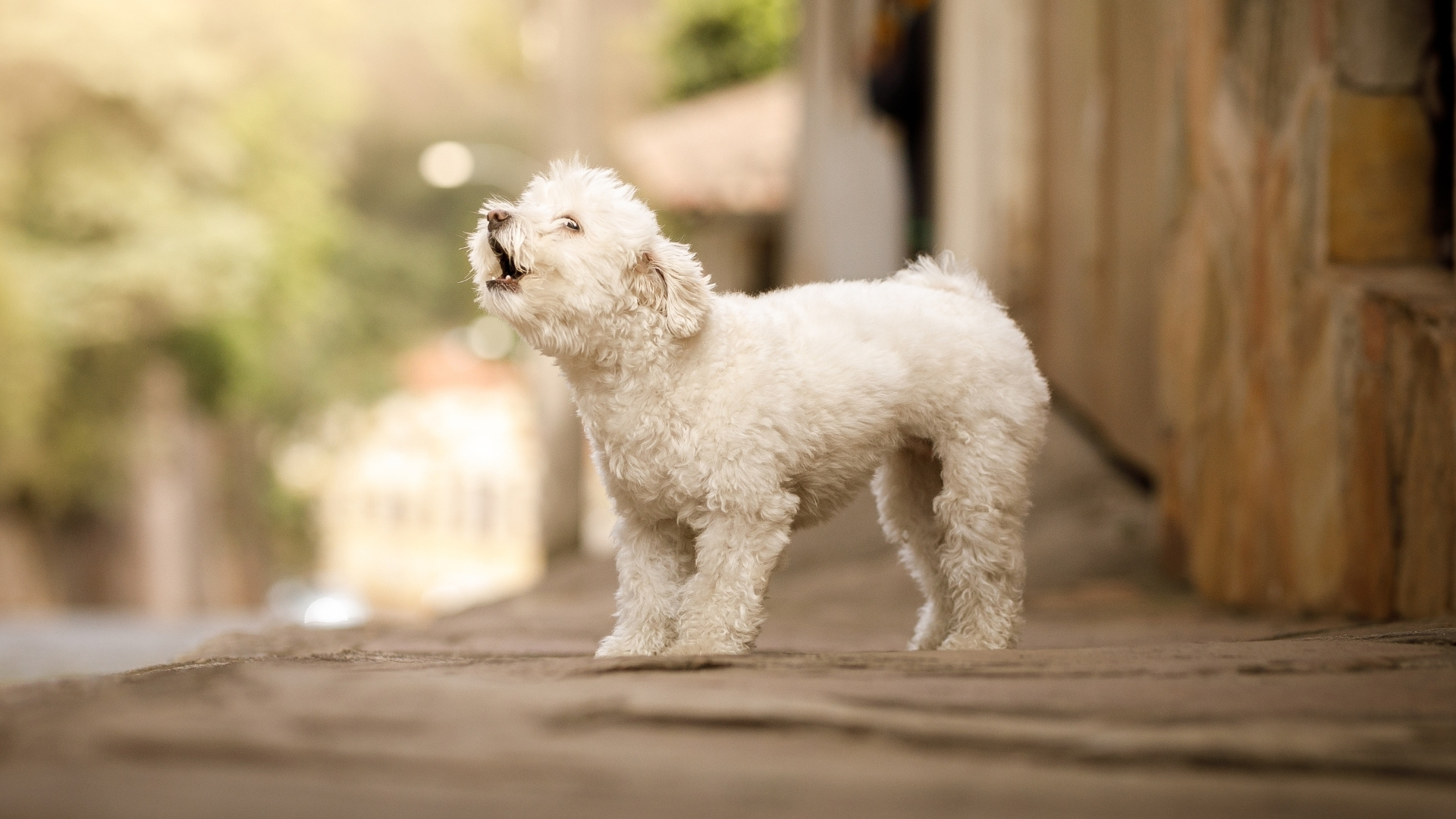
1. Excessive Barking or Whining
One of the most obvious indicators of anxiety in dogs is vocalization. While barking and whining are normal ways for dogs to communicate, excessive or unusual vocalizations often indicate distress.
- Whining or Whimpering: Dogs may whine persistently when they are stressed, especially when separated from their owners.
- Barking at Nothing: If your dog barks without an apparent reason, it may be a response to internal anxiety rather than external stimuli.
Excessive vocalization can be exhausting for both the dog and the owner, and it often signals an unmet need for comfort or reassurance.
2. Restlessness and Pacing
A dog experiencing anxiety often shows signs of restlessness. They may pace back and forth, circle, or appear unable to settle down. This behavior is commonly seen in dogs with separation anxiety or noise phobias.
- Inability to Relax: An anxious dog may struggle to lie down or remain in one spot for more than a few minutes.
- Repetitive Movements: Pacing in a specific pattern or moving restlessly around the house are often signs of stress.
Restlessness is one of the more subtle signs that can escalate if ignored, leading to more severe anxiety symptoms.
3. Destructive Behavior
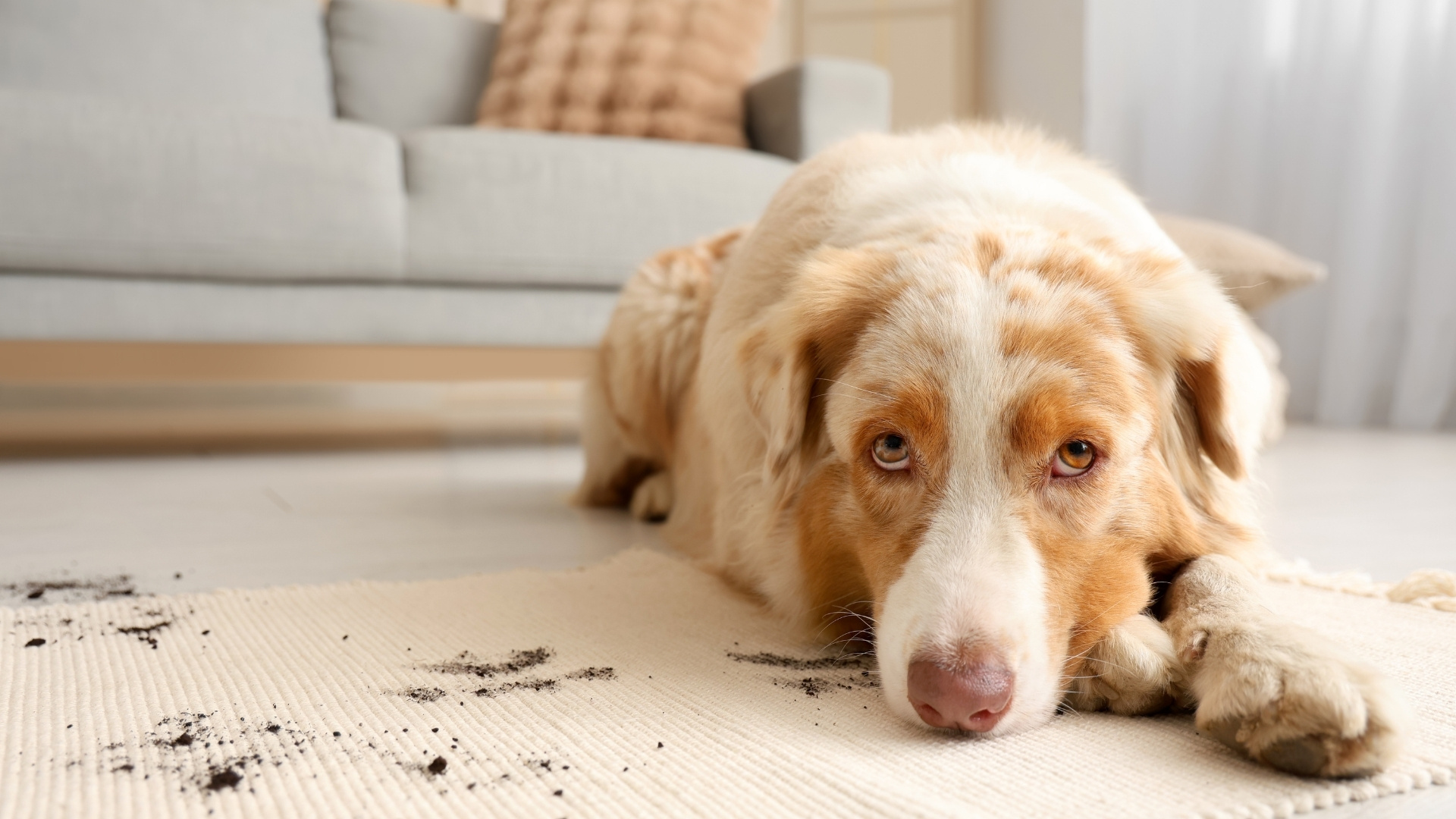
Dogs experiencing anxiety may chew furniture, dig excessively, or scratch doors and walls. This is often a coping mechanism for their stress, as chewing and scratching release pent-up energy and tension.
- Chewing and Digging: Items like shoes, furniture, or door frames are commonly targeted.
- Self-Harm: In extreme cases, dogs may chew on their own paws or tails as a response to anxiety.
Destructive behavior often worsens when a dog is left alone. It is a sign of separation anxiety.
4. Excessive Licking or Grooming
Another common sign of anxiety in dogs is compulsive licking or grooming. While dogs naturally groom themselves, excessive licking, especially of paws, legs, or sensitive areas, can indicate emotional distress.
- Paw Licking: Persistent licking of paws can lead to redness, irritation, or infection.
- Body Licking: Some dogs lick themselves repeatedly as a self-soothing behavior.
This type of anxiety-related grooming can be harmful if it leads to physical injury, and it often requires intervention from both a veterinarian and a behavior specialist.
5. Changes in Appetite
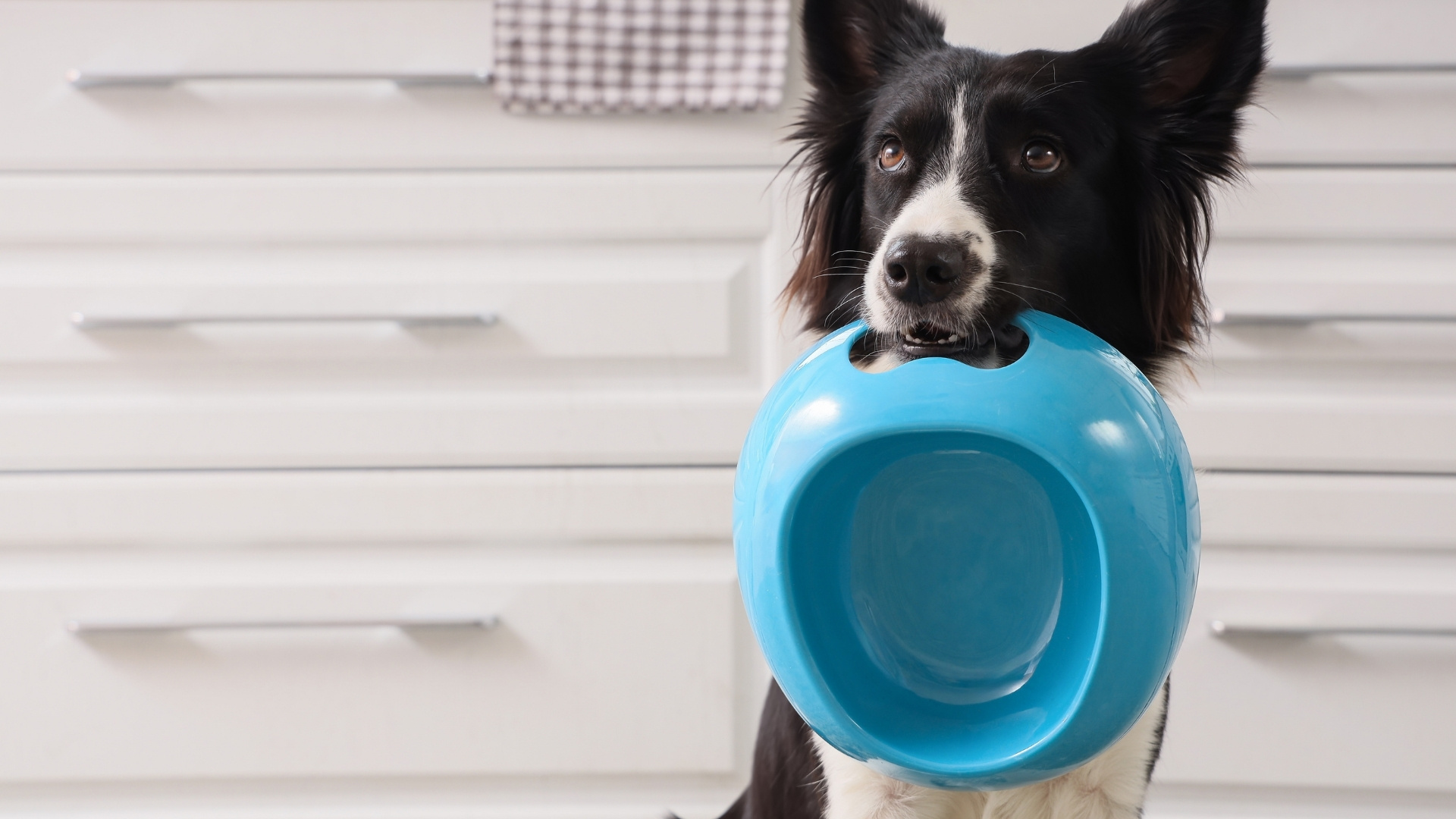
Stress and anxiety can affect a dog’s appetite in different ways. Some dogs may eat less or refuse food, while others may overeat as a comfort mechanism.
- Loss of Appetite: An anxious dog may avoid meals or show disinterest in food.
- Overeating: Other dogs may eat excessively, sometimes targeting inappropriate items like trash or household objects.
Monitor your dog’s eating habits. Sudden changes can also indicate medical issues alongside anxiety.
6. Excessive Panting or Drooling
Physical signs of stress are common in anxious dogs. Panting and drooling are not always linked to temperature or exercise. They can also be indicators of anxiety.
- Rapid Panting: Dogs may breathe quickly or heavily even at rest when stressed.
- Drooling: Increased salivation can accompany fear or nervousness, especially before thunderstorms or during travel.
These symptoms often appear alongside other behavioral signs and are important to recognize early.
7. Avoidance or Hiding
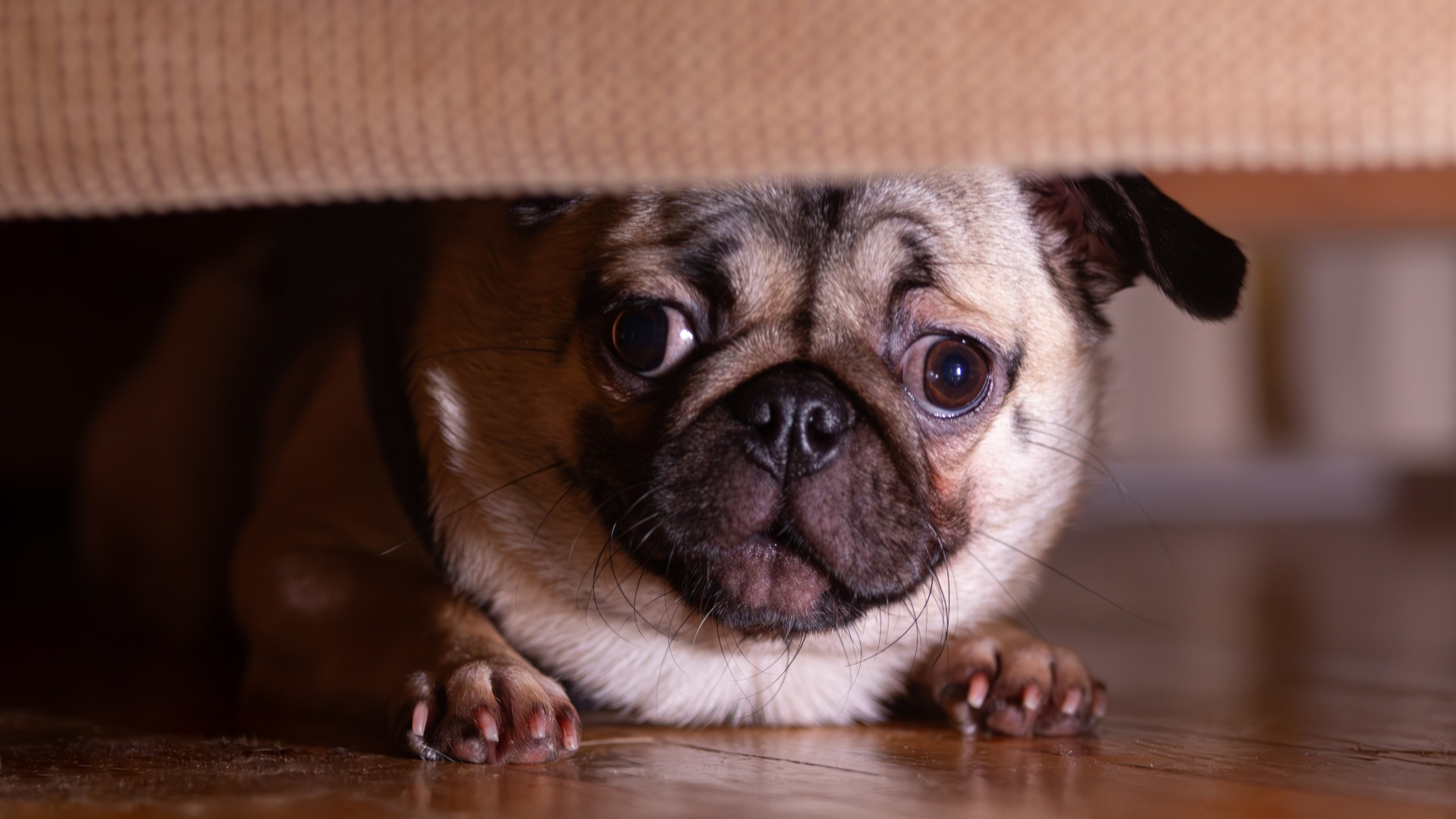
Some dogs respond to stress by withdrawing from their environment. They may hide under furniture, avoid interaction, or retreat to a quiet corner.
- Hiding: Common during fireworks, thunderstorms, or stressful household events.
- Avoiding Contact: An anxious dog may shy away from people or other pets.
This behavior is a clear signal that your dog is feeling unsafe and needs reassurance and a secure environment.
8. Aggression or Irritability
Anxiety can sometimes manifest as irritability or aggression. Dogs under stress may snap, growl, or even bite when approached, especially if they feel cornered or threatened.
- Growling or Snapping: Sudden aggression can be a stress response rather than a behavioral problem.
- Resource Guarding: Anxious dogs may become protective of food, toys, or resting areas.
Address aggression linked to anxiety carefully, with the help of a professional trainer or behaviorist.
9. Shaking or Trembling
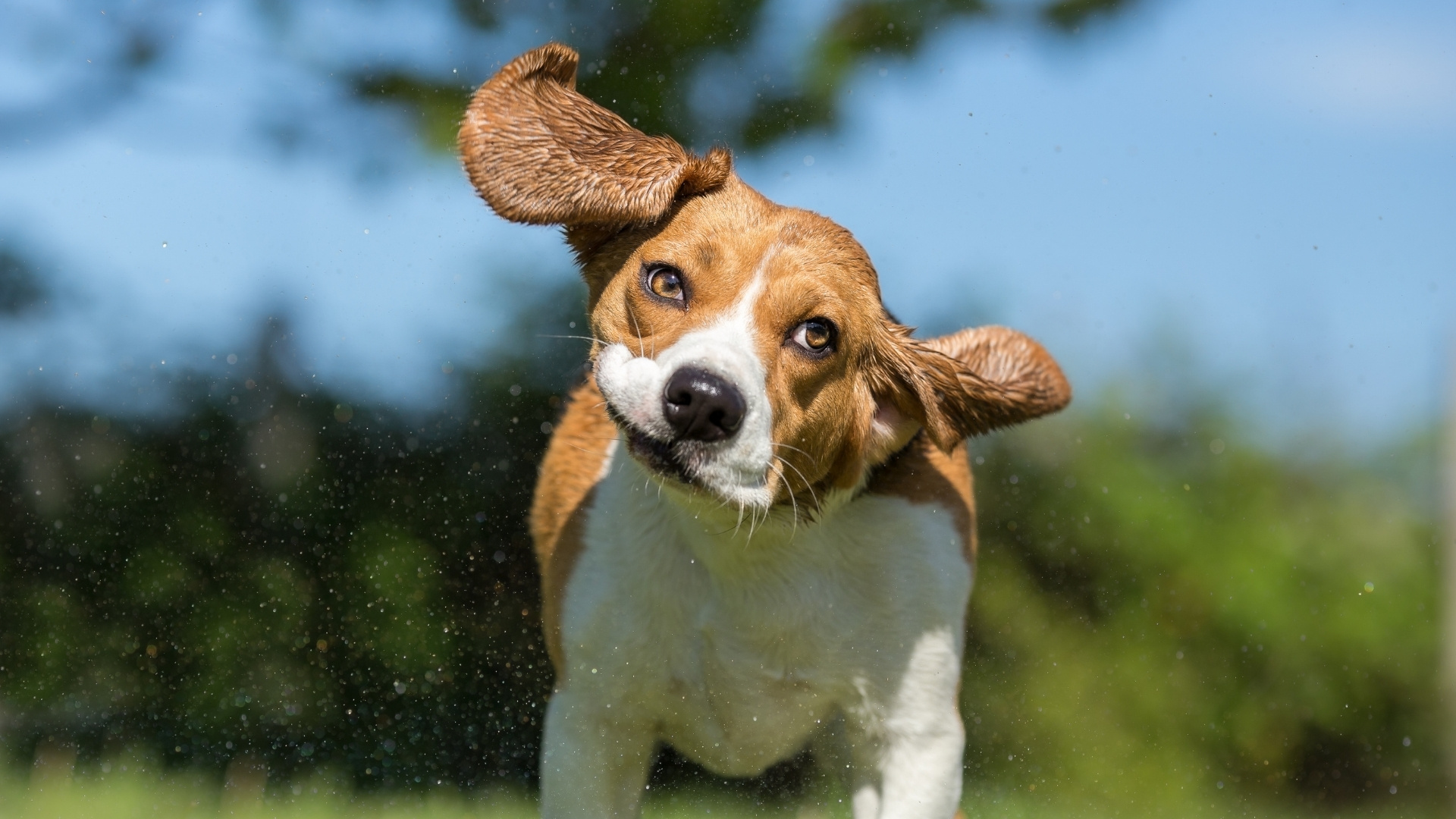
Shaking or trembling is another physical manifestation of anxiety in dogs. This symptom can occur during stressful events, unfamiliar situations, or sudden loud noises.
- Full Body Tremors: Often seen in small breeds or senior dogs.
- Shivering: Can be accompanied by cowering, tail tucking, or avoidance behaviors.
Recognize trembling as a stress response rather than a medical issue for proper intervention.
10. Changes in Bathroom Habits
Anxiety can also affect a dog’s bathroom routine. Some dogs may urinate or defecate indoors despite being house-trained, particularly when experiencing separation anxiety or extreme fear.
- Accidents Indoors: Common when a dog is left alone or exposed to a stressful situation.
- Frequent Urination: Stress can increase the need to urinate.
Monitor these changes to identify anxiety patterns and potential triggers.
How does ANF Animal Therapy® help anxious dogs?
Stress and anxiety are among the most common issues that dogs face. Many pet owners and veterinarians prefer non-invasive and chemical-free approaches. ANF Animal Therapy® is a frequency-based approach that is designed to support canine well-being.
This therapy involves placing small ANF Devices on specific areas of the dog’s body. This therapy aims to support the immune system and promote overall wellness, which may help reduce stress and anxiety. As it is gentle and non-invasive, ANF Animal Therapy® can be used alongside traditional veterinary care, making it a complementary option for enhancing your dog’s quality of life.
Start your journey with ANF Animal Therapy®:
ANF Animal Therapy® is a natural and advanced approach that supports the body’s natural healing mechanisms and immune system. If your pet or animal is experiencing stress or anxiety and you want a holistic way to manage them, consult an ANF Animal Practitioner today to discuss how ANF Animal Therapy® can help. You can find a certified ANF Animal Therapist by visiting https://anfanimal.com and begin your animal’s healing journey with ANF Animal Therapy®.
If you are an animal health professional and want to upgrade your clinical skills with frequency medicine, explore the ANF Animal Therapy® Education Program at anfanimal.com and elevate your ability to assess and treat animals naturally and effectively.
ANF Animal Therapy® can also be used as a complementary approach along with other stress reduction techniques.
You can follow these steps to prevent anxiety in your dog:
- Create a Safe Space: Provide a quiet, comfortable area where your dog can retreat.
- Maintain a Routine: Predictable schedules for feeding, walks, and playtime can reduce stress.
- Exercise and Mental Stimulation: Physical activity and puzzle toys help relieve tension.
- Positive Reinforcement: Reward calm behavior rather than punishing anxious reactions.
- Gradual Desensitization: Slowly exposing your dog to triggers in a controlled way can help reduce fear responses.
Conclusion:

Anxiety in dogs is more common than many pet owners realize, and its effects can extend beyond behavior to impact overall health and well-being. It is essential to recognize early signs that include excessive barking and pacing to hiding, aggression, or changes in appetite. You can make the most effective strategies by understanding the underlying causes, such as separation anxiety, fear of loud noises, environmental changes, or past trauma.
Complementary approaches like ANF Animal Therapy® offer a gentle and non-invasive way to help anxious dogs by supporting their natural healing mechanisms and promoting overall wellness. When combined with safe spaces, consistent routines, mental stimulation, positive reinforcement, and gradual desensitization, pet owners can create an environment where their dogs feel secure, calm, and confident.