
Latest
Can allergies in dog cause coughing?

Can Allergies in Dogs Cause Coughing?
Understanding the Connection
As a dog owner, it can be worrying to see your furry friend coughing. Coughing is usually caused by infections, heart problems, or kennel cough. A question may arise: “Can allergies cause coughing in dogs?. Yes, dogs can definitely cough because of allergies. Most of the time, this happens when they inhale particles such as pollen, dust, mold, or smoke, which can irritate and inflame their airways.
ANF Animal Therapy® is an advanced approach that supports your dog's respiratory system and immune health. In this blog, we will discuss how allergies affect your dog and how ANF Animal Therapy® can help you keep your furry friend happy and healthy.
What Are Allergies in Dogs?
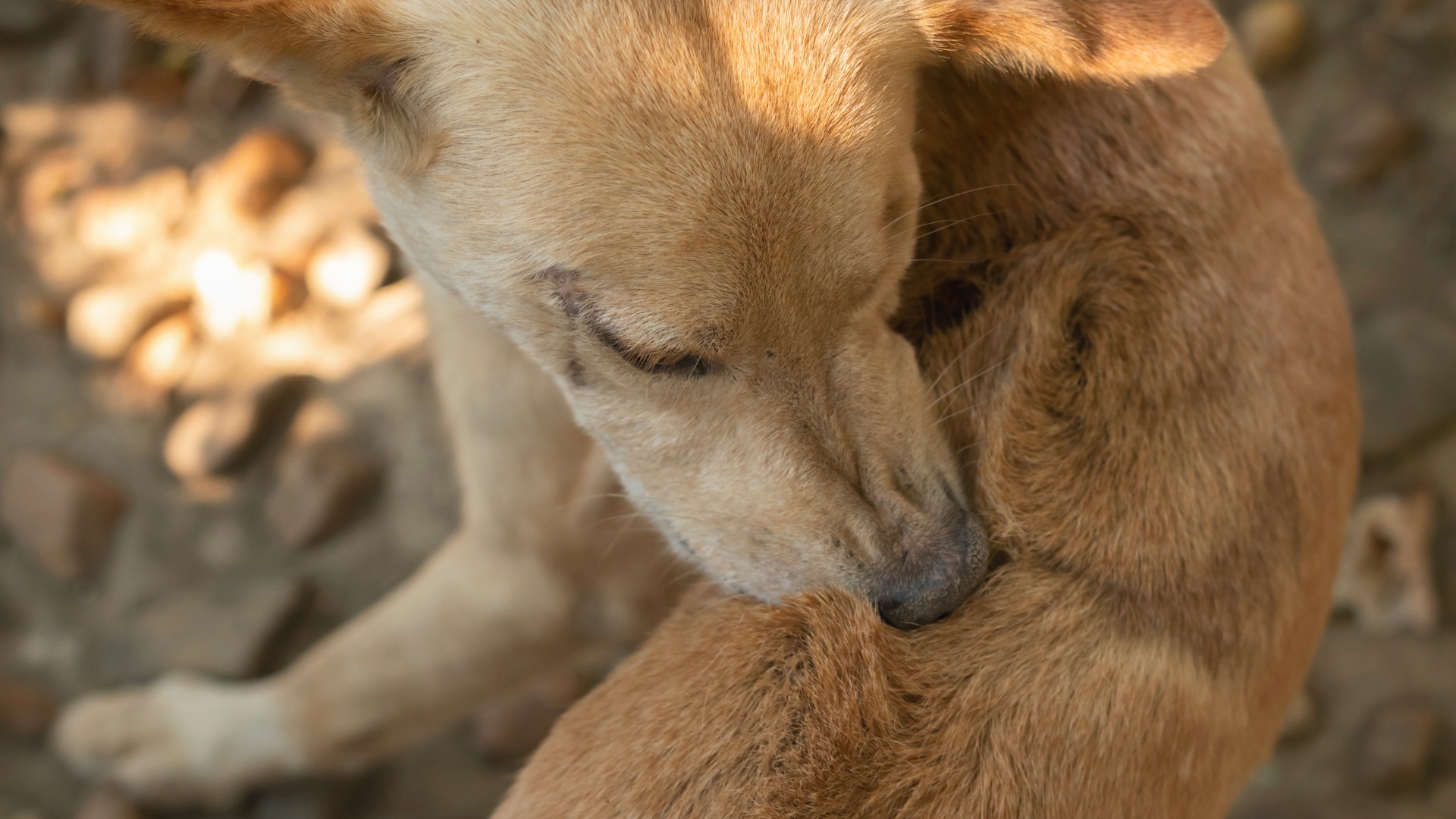
Allergies occur when a dog’s immune system overreacts to substances that are usually harmless, called allergens. These allergens can be found in the environment, food, or even medications. When a dog encounters an allergen, their immune system releases chemicals such as histamine, which can lead to inflammation and irritation in the respiratory tract.
Common allergens in dogs include:
- Environmental allergens: Pollen, mold, dust mites, smoke, and strong perfumes.
- Food allergens: Beef, chicken, dairy, wheat, and certain grains.
- Flea saliva: Flea bites can trigger allergic reactions in some dogs.
- Medications or chemicals: Certain drugs or cleaning products can sometimes cause allergic responses.
How Allergies Can Cause Coughing
Coughing in dogs caused by allergies results from irritation or inflammation of the airways. When allergens are inhaled, the body responds by producing mucus and constricting the airways, which can lead to coughing and sneezing. Here are the main ways allergies contribute to coughing:
1. Allergic Bronchitis
Allergic bronchitis, also known as chronic bronchitis, occurs when the airways become inflamed due to an allergic reaction. Dogs with allergic bronchitis often have a persistent cough that may worsen at night or during exercise. This type of cough is often dry, and it may persist for weeks or months if the allergen is not addressed.
2. Asthma in Dogs
Asthma is less common in dogs than in humans; however, dogs can develop asthma, an allergic reaction that narrows the airways and makes breathing difficult. Coughing is one of the primary symptoms of canine asthma, along with wheezing and shortness of breath. Allergens like pollen, dust, or smoke can trigger asthma attacks in sensitive dogs.
3. Post-Nasal Drip
Allergic reactions can lead to excessive mucus production in a dog’s nasal passages. This mucus can drip down the throat, a condition known as post-nasal drip that causes irritation and coughing. You may also notice sneezing, nasal discharge, or pawing at the nose in dogs experiencing post-nasal drip.
4. Secondary Infections
Chronic allergies can weaken a dog’s respiratory system, which makes them more susceptible to bacterial or viral infections. These infections often present with coughing, sometimes accompanied by fever or lethargy.
What are the signs of allergy-related coughing?
It’s important to differentiate coughing caused by allergies from other serious conditions. The following signs suggest that your dog’s cough may be allergy-related:
- Persistent or intermittent cough without fever
- Coughing that worsens in certain environments (e.g., outdoors during pollen season)
- Sneezing, runny nose, or watery eyes
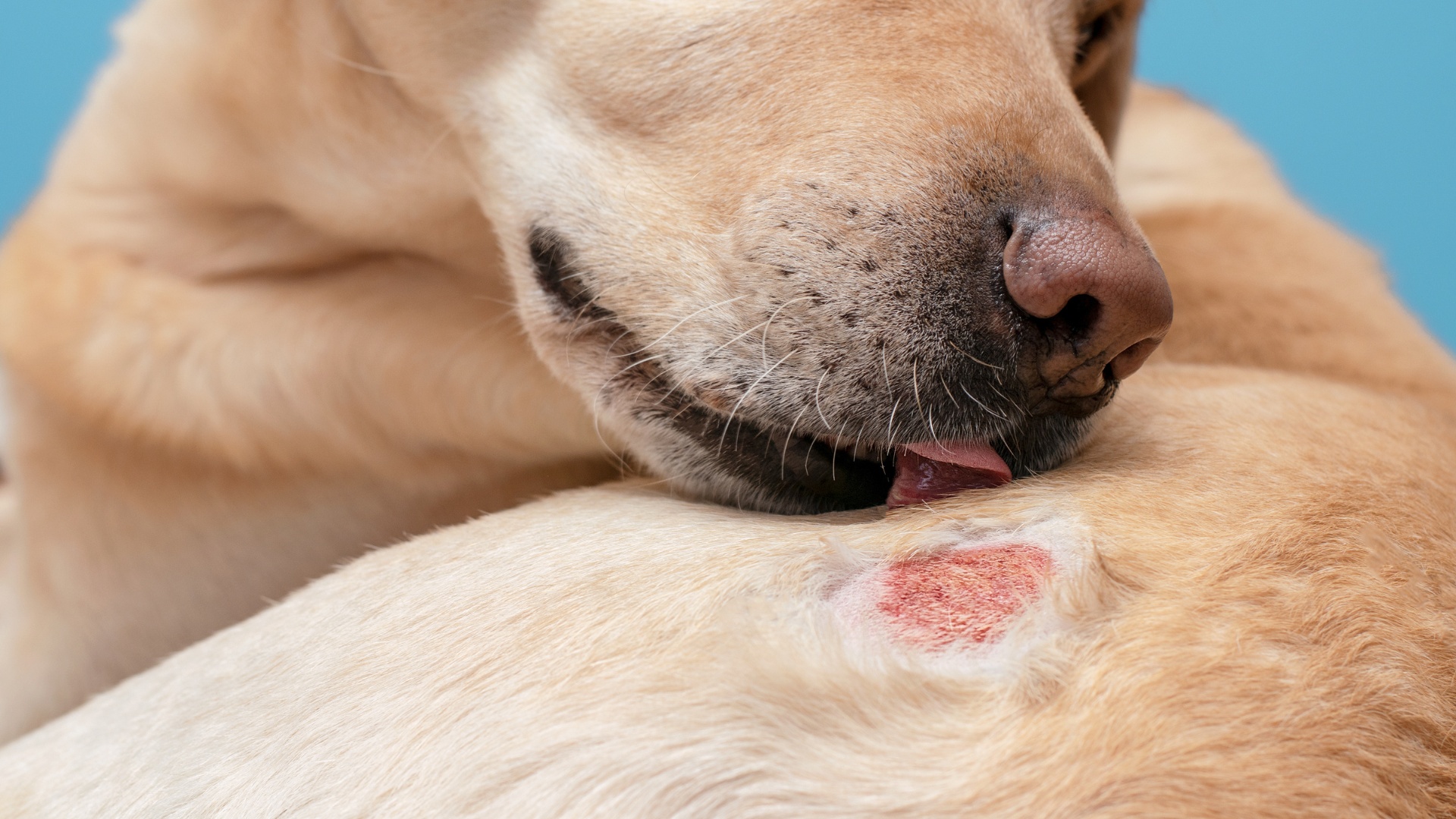
- Itchy skin, rashes, or frequent licking of paws
- Cough that improves when away from potential allergens (e.g., at a boarding facility or during travel)
However, coughing in dogs can also indicate heart disease, kennel cough, pneumonia, or collapsing trachea, so consulting a veterinarian is crucial for proper diagnosis.
Treatment Options for Allergy-Induced Coughing
There are several natural ways to help manage allergy-induced coughing in your dogs. These include followings:
ANF Animal Therapy®:
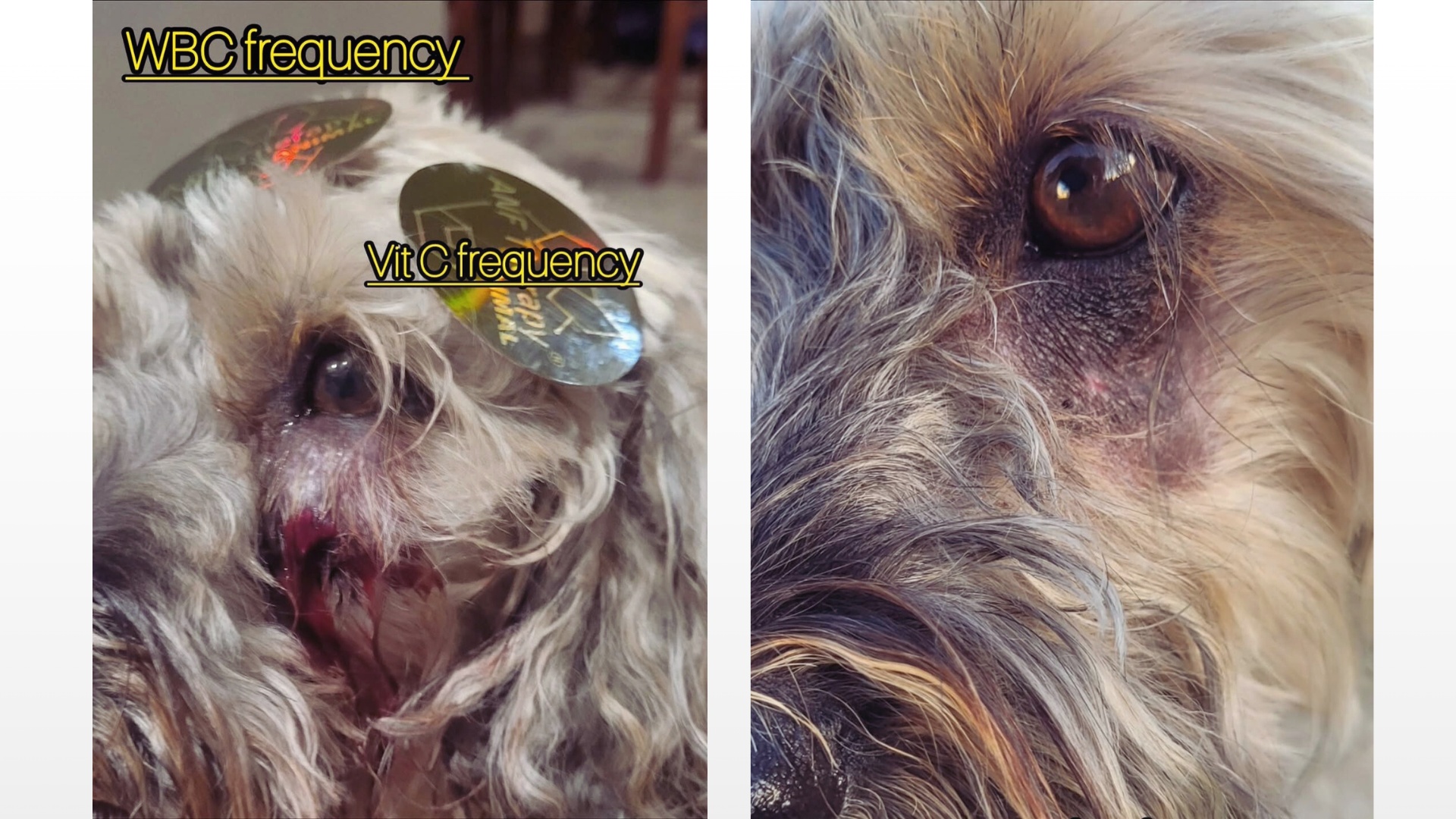
ANF Animal Therapy® is an advanced and natural way that helps support your dog’s respiratory system and immune system. This therapy utilises small ANF Devices that are applied to the affected areas of the dog's body.
Start your journey with ANF Animal Therapy®:
ANF Animal Therapy® is a natural, advanced approach that supports the body’s healing mechanisms, respiratory health, and immune system. If your dog is experiencing coughing due to allergies and you want a holistic way to manage them, consult an ANF Animal Practitioner today to discuss how ANF Animal Therapy® can help. You can find a certified ANF Animal Therapist by visiting https://anfanimal.com and begin your animal’s healing journey with ANF Animal Therapy®.
If you are an animal health professional and want to upgrade your clinical skills with frequency medicine, explore the ANF Animal Therapy® Education Program at anfanimal.com and elevate your ability to assess and treat animals naturally and effectively.
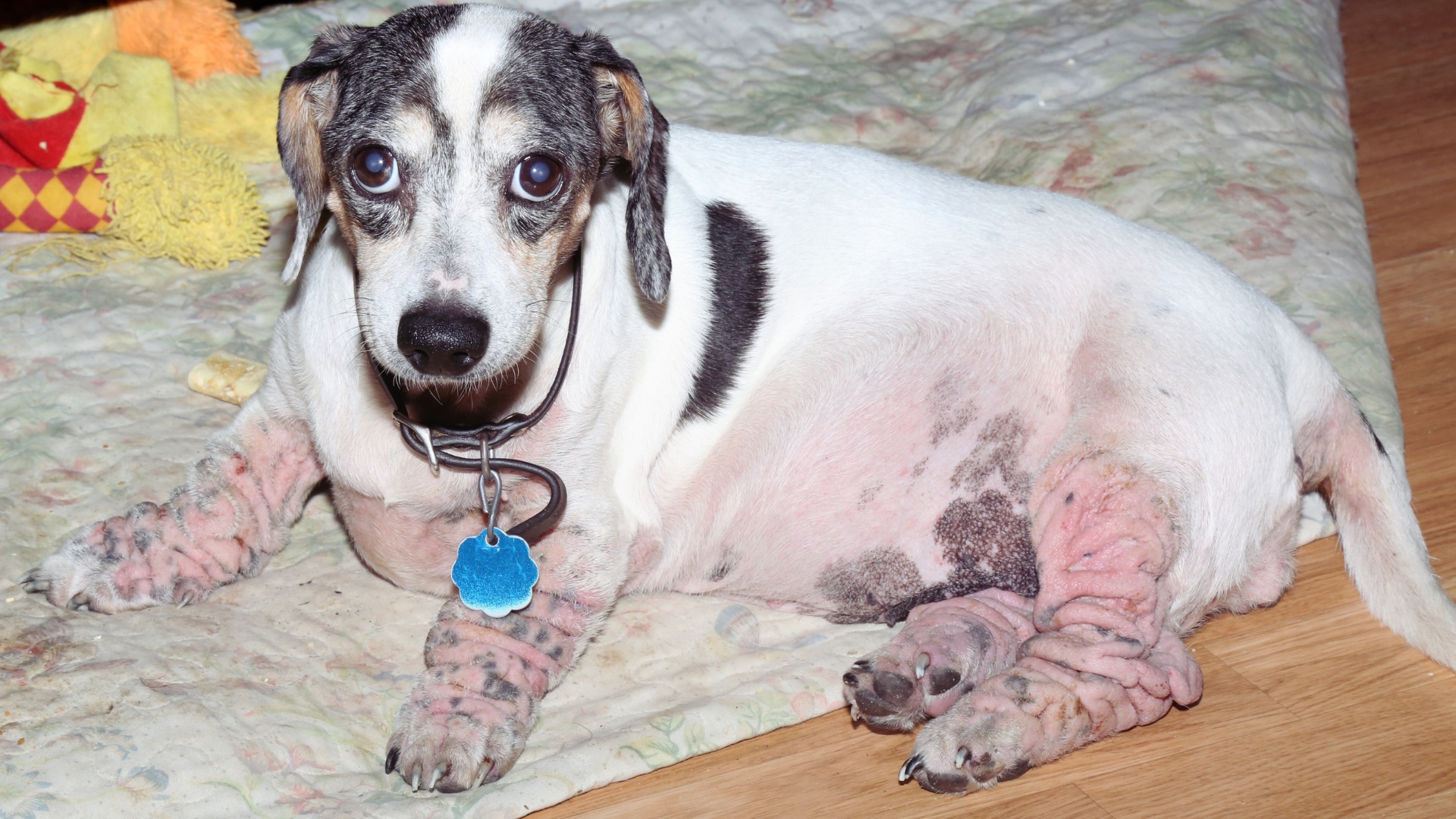
The following are other ways that also help improve skin-related allergies:
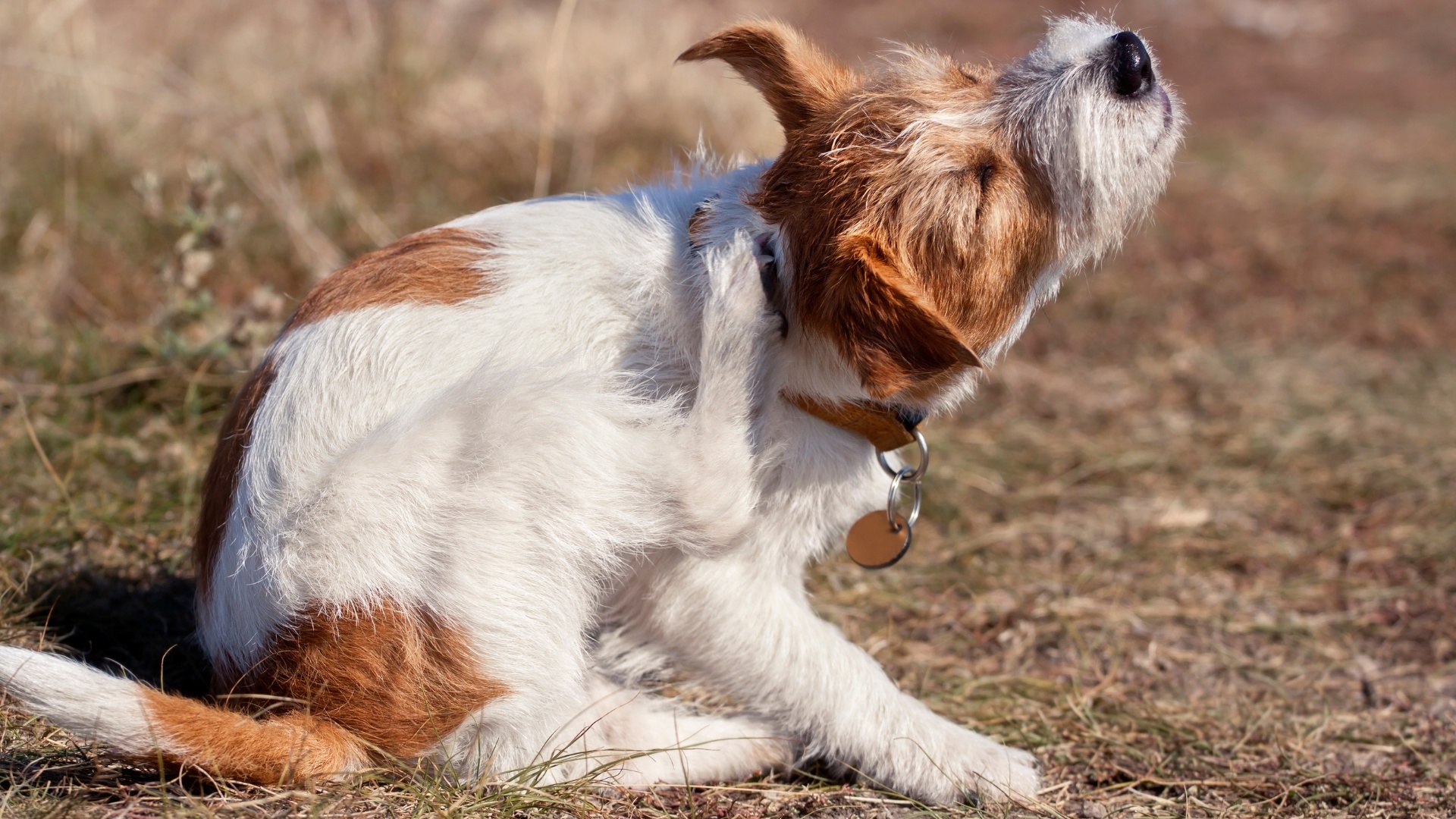
1. Minimize Exposure to Allergens
- Keep your dog indoors on high-pollen days.
- Vacuum, dust, and wash your dog’s bedding regularly.
- Avoid smoke, scented candles, and strong perfumes.
2. Improve Indoor Air Quality
- Use HEPA air purifiers to remove allergens from the air.
- Maintain indoor humidity between 40–50% to prevent mold growth.
- Keep windows and windowsills clean to reduce pollen and dust.
3. Supportive Care and Lifestyle Changes
- Bathe your dog with gentle, hypoallergenic shampoo.
- Brush your dog’s coat regularly to remove loose hair and dander.
- Wipe your dog’s paws after walks to prevent bringing in allergens.
- Exercise in low-allergen areas, avoiding high-pollen parks or fields.
4. Diet and Hydration
- Feed a balanced diet to support healthy skin and immunity.
- Ensure your dog drinks enough water to thin mucus and ease coughing
Conclusion
Allergies can be a hidden cause of coughing in dogs; therefore, understanding the connection is the first step in helping your furry friend feel better. Allergies can irritate the airways, from environmental triggers like pollen and dust to food sensitivities, leading to persistent coughing and discomfort. While it’s important to rule out serious health issues with an ANF Animal Therapist. Natural management options such as minimizing allergen exposure, improving indoor air quality, supportive grooming, and a proper diet can make a big difference.
For a holistic approach, ANF Animal Therapy® offers an advanced, natural method to support your dog’s respiratory system and immune health. You can help your dog breathe easier, stay healthier, and enjoy a happier life by combining lifestyle management with innovative therapies.