Latest
Can Allergies Cause Hair Loss in Dogs? A Complete Guide for Pet Owners


If your dog is constantly scratching, licking, or losing patches of fur, you may be wondering: Can allergies cause hair loss in dogs? The short answer is yes. Allergies are one of the most common causes of hair loss in dogs and can significantly affect their comfort, appearance, and overall health.
ANF Animal Therapy® is a frequency-based therapy that supports the immune system to improve allergy-related problems in dogs and animals. It utilises small devices that are applied to the affected areas of the animal's body.
In this blog, we’ll discuss allergies that lead to hair loss, the different types of allergies in dogs, common symptoms, diagnosis, and treatment options, both conventional and holistic.
Understanding Dog Allergies
Just like humans, dogs can also develop allergic reactions when their immune system overreacts to certain substances. These substances, known as allergens, may be found in food, the environment, or parasites like fleas.
When a dog’s body encounters an allergen, it releases inflammatory chemicals such as histamines. This causes itching, redness, and irritation of the skin. Over time, repeated scratching and inflammation can lead to fur loss and damaged skin.
How Allergies Cause Hair Loss in Dogs
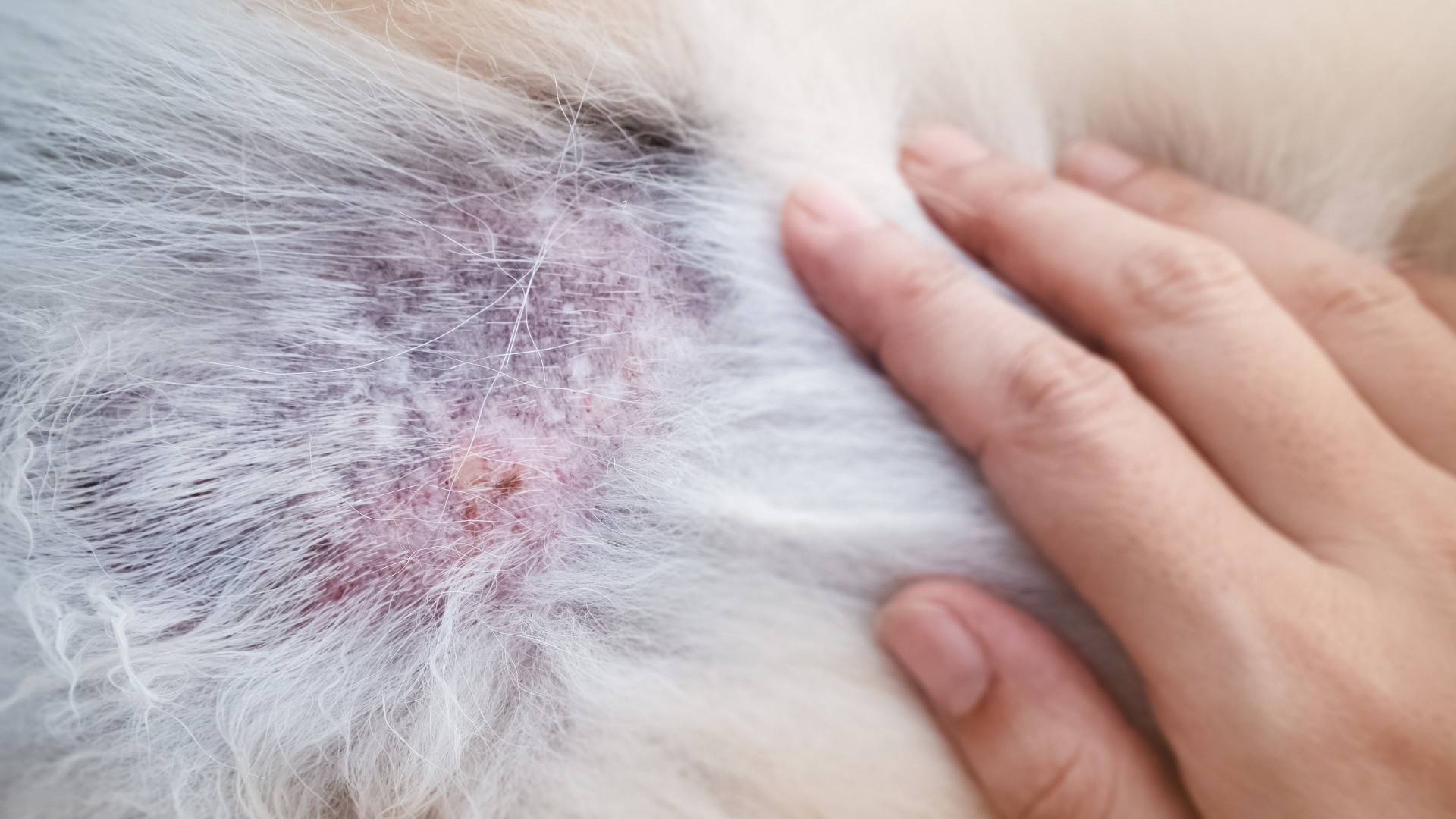
Allergies usually do not cause hair loss directly. Instead, hair loss happens as a result of:
1. Excessive Scratching and Licking
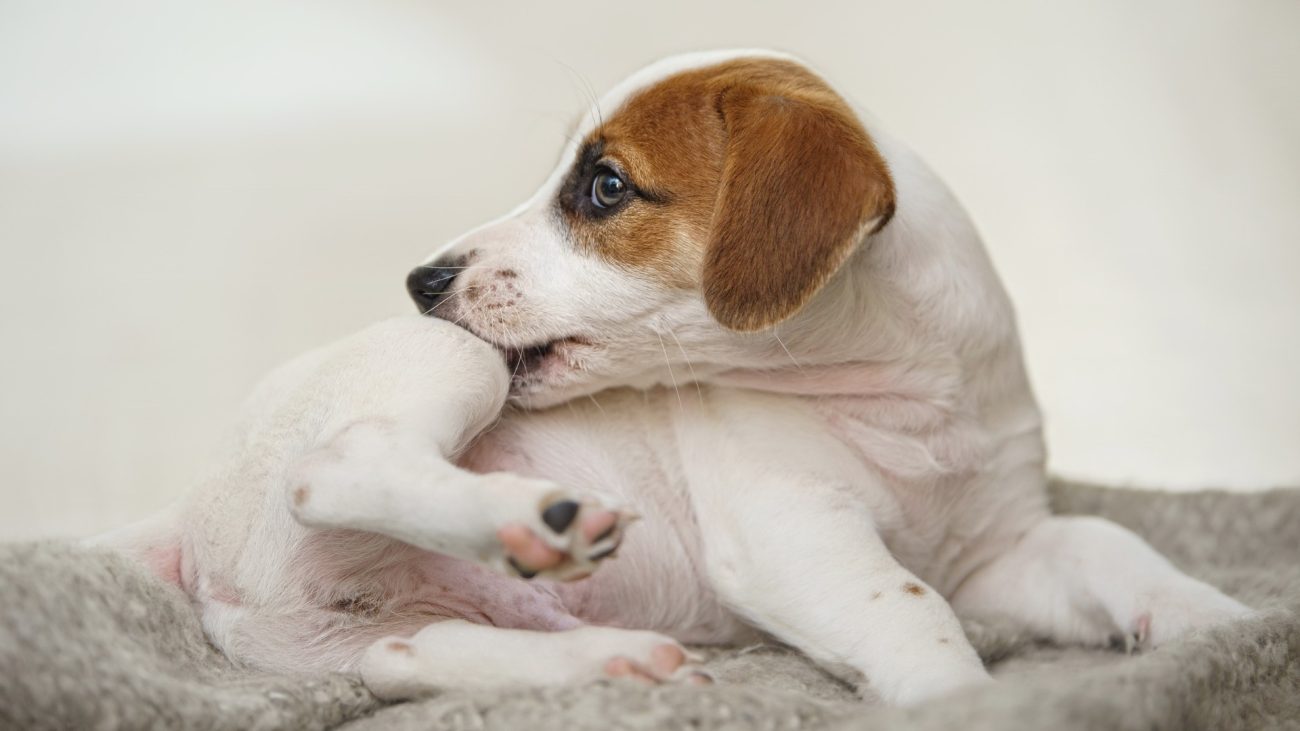
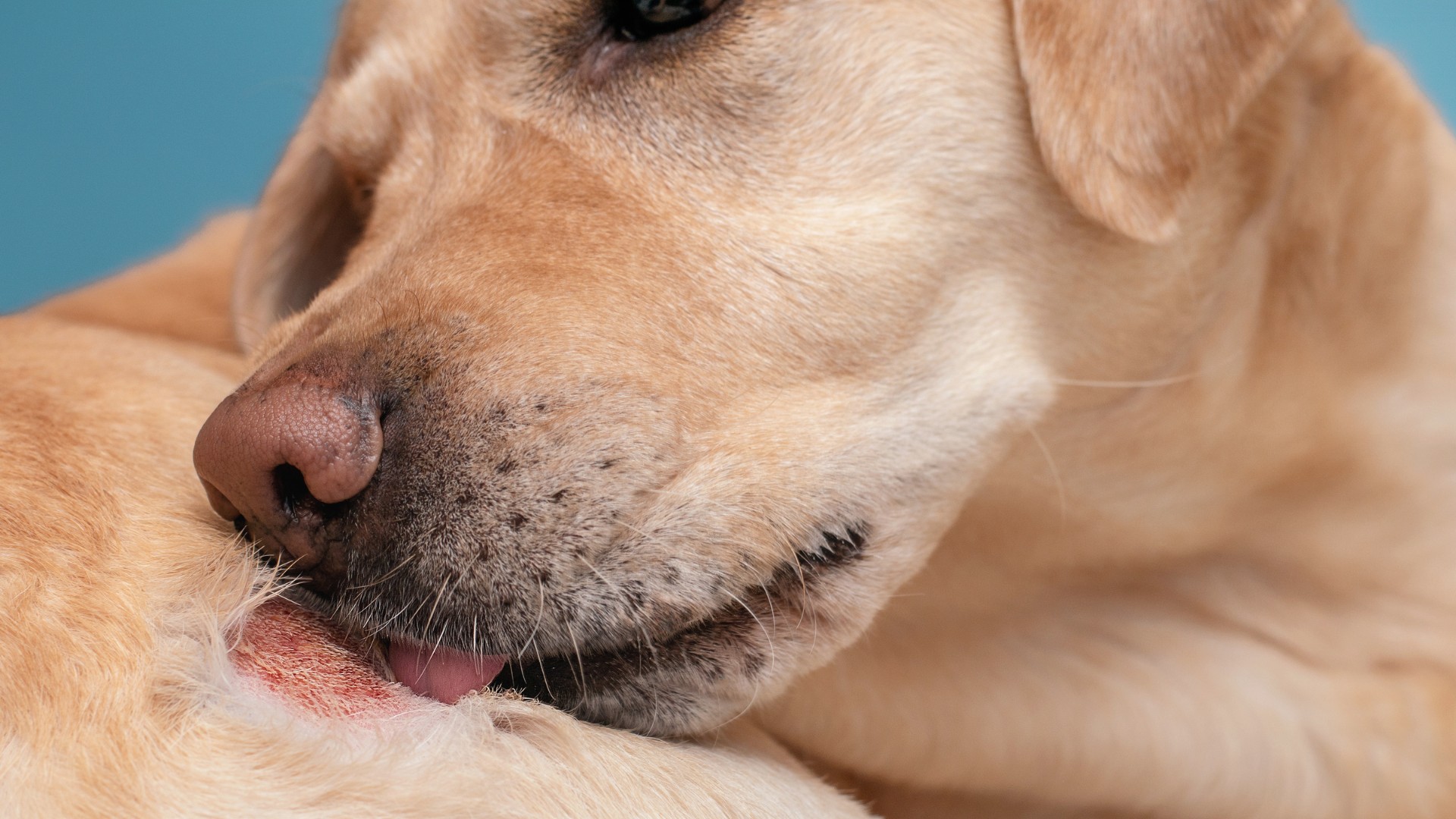
Allergic dogs often feel extremely itchy. Constant scratching, biting, and licking can break hairs and damage hair follicles, leading to bald patches.
2. Skin Inflammation
Chronic inflammation weakens the skin barrier and disrupts healthy hair growth. Inflamed skin cannot support strong hair follicles.
3. Secondary Infections
Allergic skin is more vulnerable to bacterial and yeast infections. These infections worsen irritation and can cause additional hair loss.
4. Hot Spots
Hot spots (acute moist dermatitis) are painful, inflamed areas caused by intense licking or chewing. They often appear suddenly and can remove fur quickly.
Over time, untreated allergies may result in widespread thinning, patchy fur, and even permanent skin damage.
Types of Allergies That Cause Hair Loss in Dogs
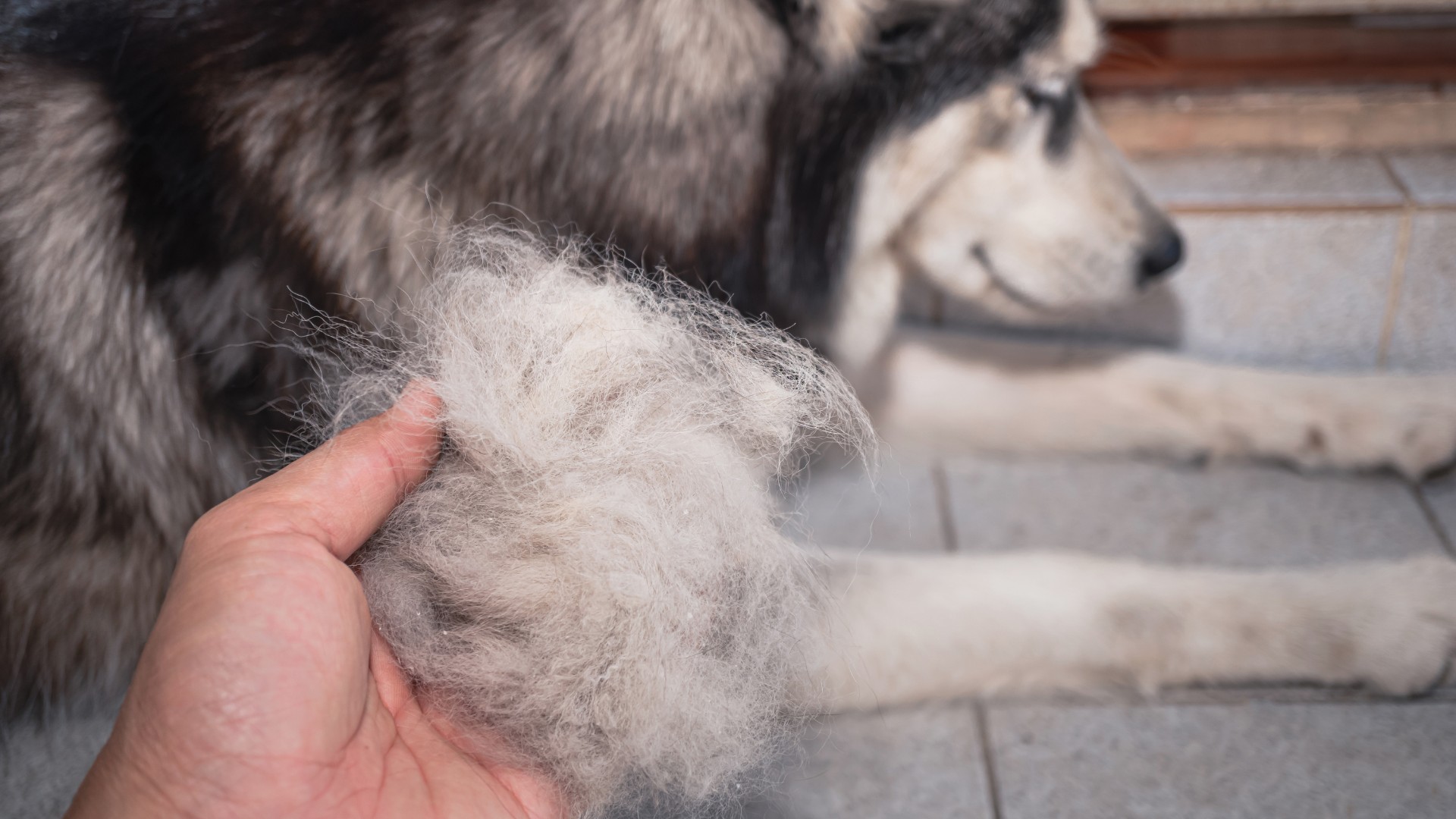
Several types of allergies can lead to hair loss. Understanding the cause is key to effective treatment.
1. Environmental Allergies (Atopic Dermatitis)
Environmental allergies are among the most common in dogs. They are triggered by substances such as:
- Pollen
- Dust mites
- Mold
- Grass
- Household chemicals
Dogs with environmental allergies often show seasonal symptoms, though some are affected year-round.
Common signs:
- Itchy paws and ears
- Red or inflamed skin
- Face rubbing
- Hair loss on legs, belly, and face
2. Food Allergies
Food allergies occur when a dog reacts to specific ingredients, usually proteins. Common triggers include:
- Chicken
- Beef
- Dairy
- Wheat
- Soy
Unlike environmental allergies, food allergies tend to be consistent throughout the year.
Common signs:
- Chronic itching
- Ear infections
- Digestive issues
- Hair thinning
- Skin redness
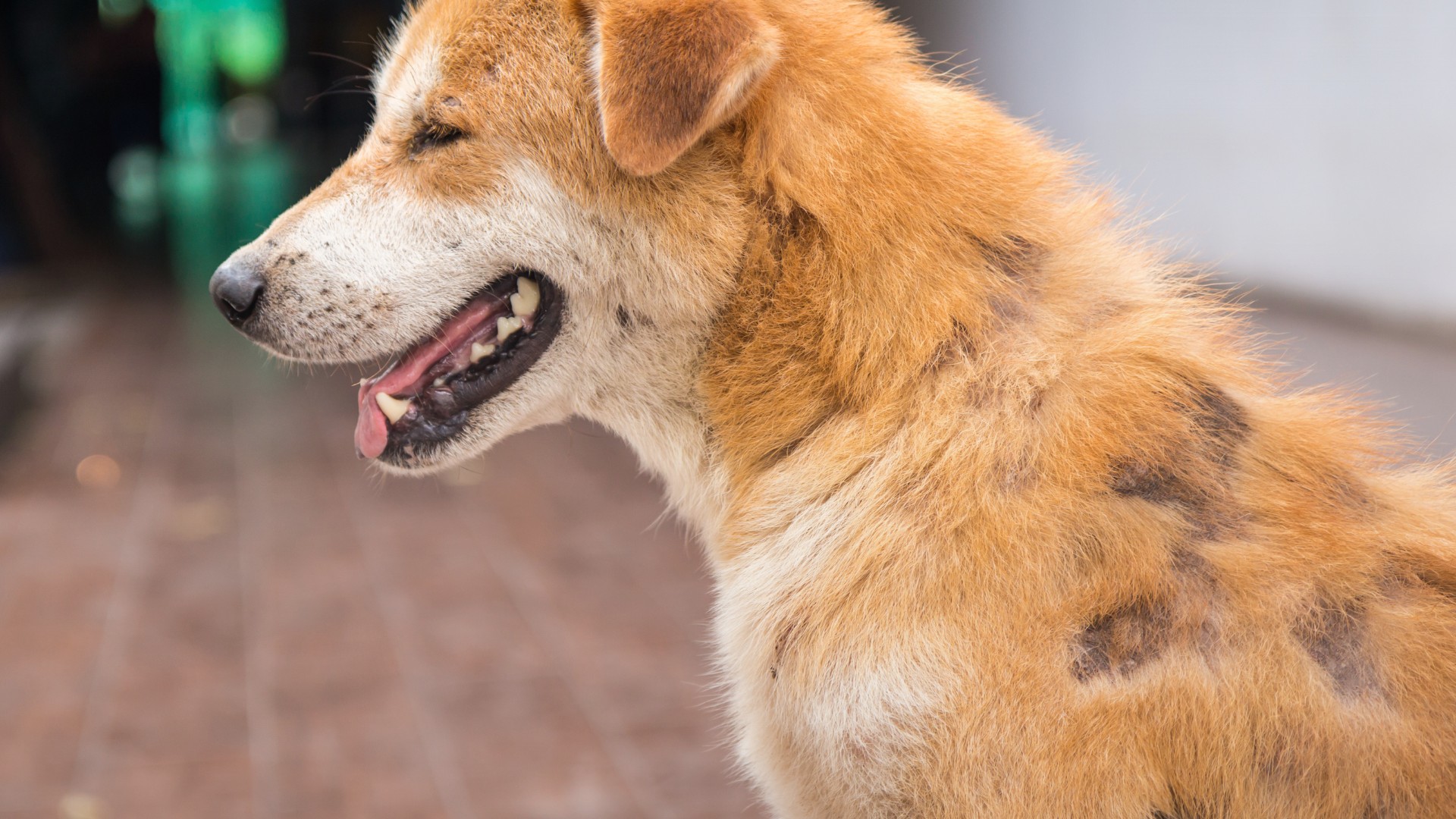
3. Flea Allergy Dermatitis
Some dogs are extremely sensitive to flea saliva. Even one bite can cause an intense allergic reaction. Common signs include:
- Hair loss near the tail and lower back
- Scabbing
- Severe itching
- Restlessness
This is one of the most common causes of localized hair loss in dogs.
4. Contact Allergies
Contact allergies happen when a dog’s skin reacts to substances it touches, such as:
- Cleaning products
- Shampoos
- Plastic bowls
- Certain fabrics
- Lawn treatments
These allergies usually affect areas with direct contact, like the belly, paws, and chest.
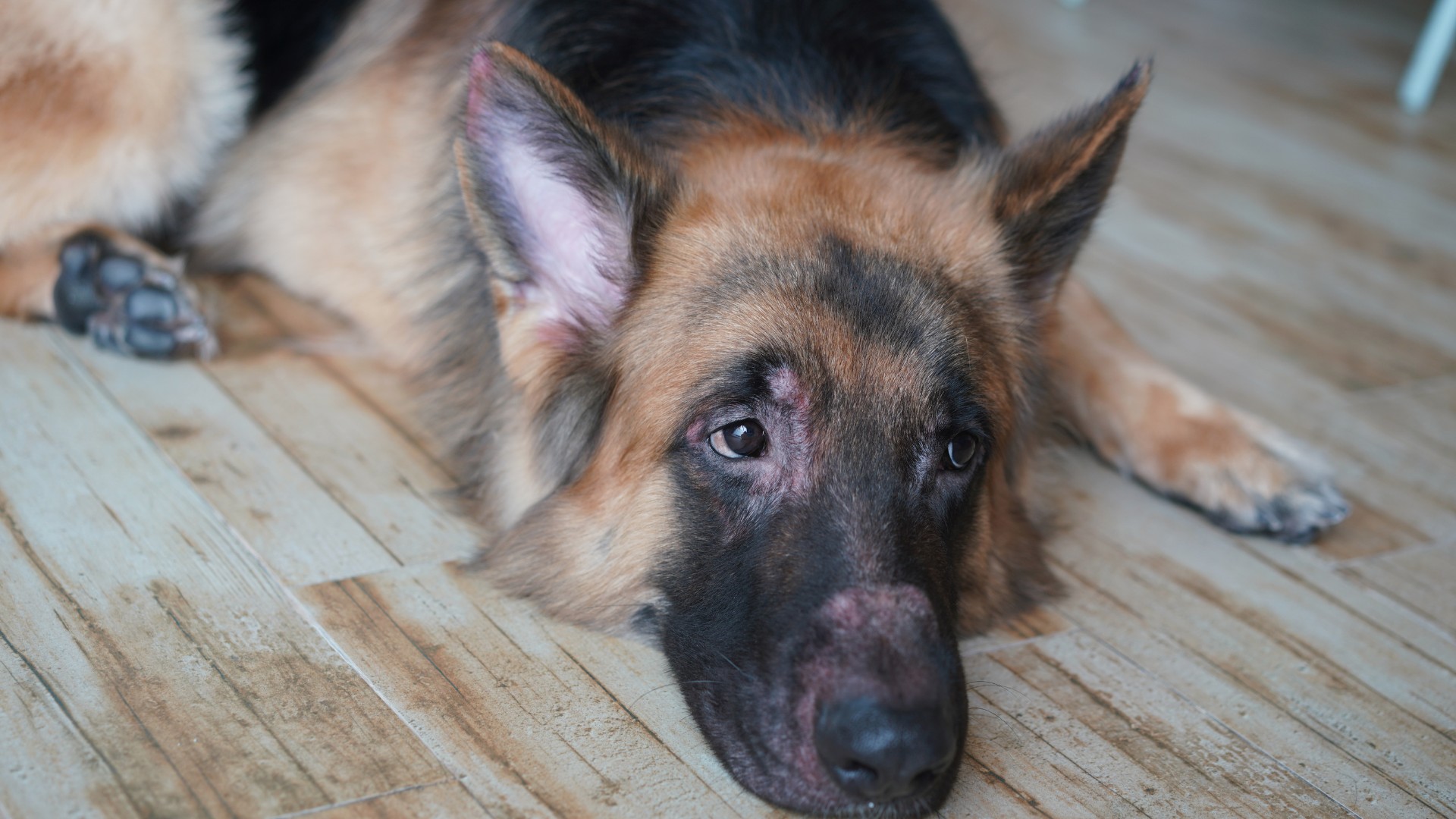
Symptoms of Allergy-Related Hair Loss
If allergies are causing your dog’s hair loss, you may notice:
- Bald patches or thinning fur
- Red, irritated skin
- Frequent scratching
- Chewing at paws
- Head shaking
- Ear infections
- Skin odor
- Darkened or thickened skin
Symptoms may develop gradually or appear suddenly, depending on the allergen.
How Frequency-Based Therapy Helps Manage Allergy-Related Hair Loss?
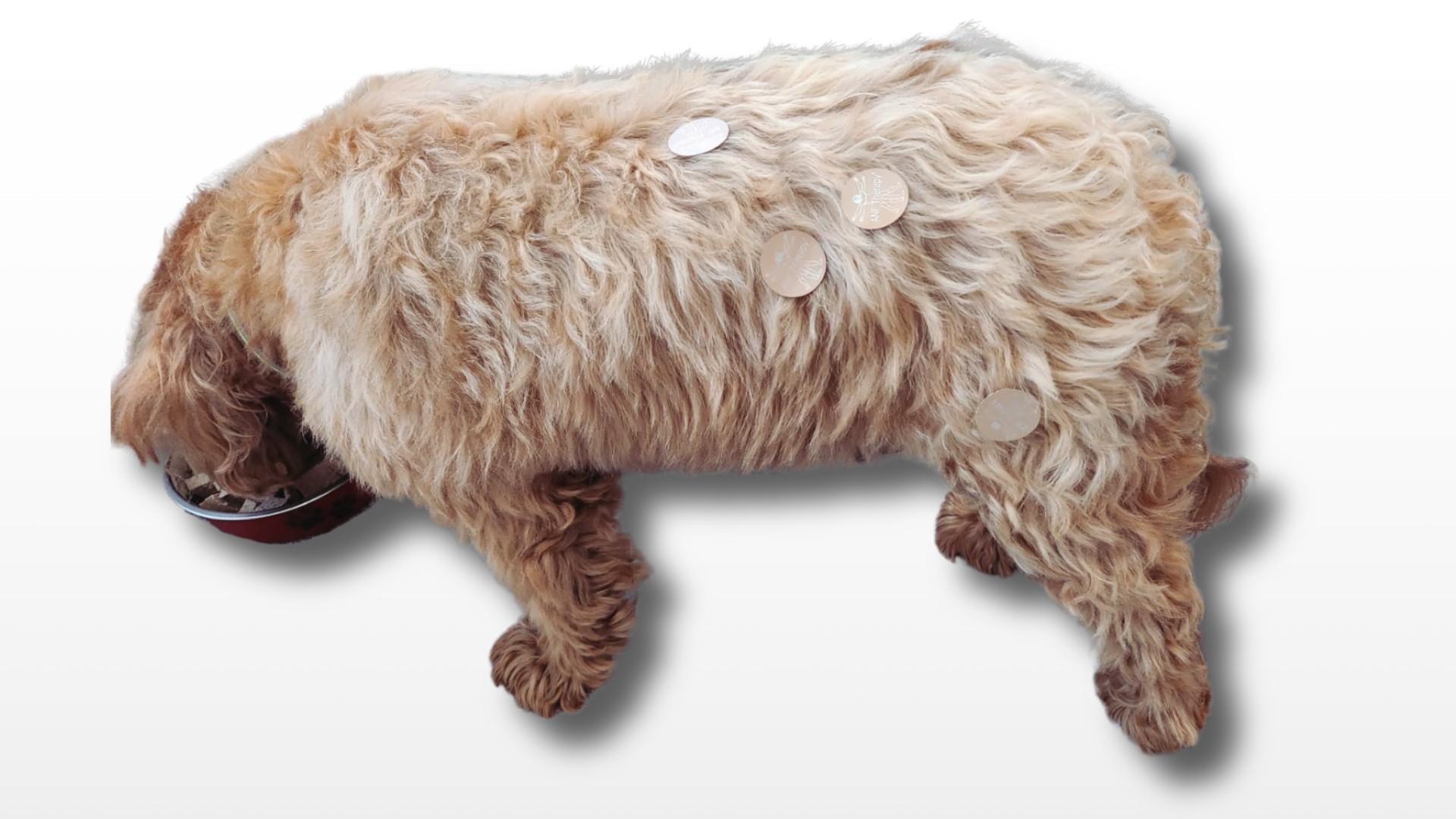
Allergies are among the most common conditions affecting dogs and other animals. Many pet owners and veterinarians use frequency-based therapies such as ANF Animal Therapy®, which is non-invasive and drug-free. This therapy uses small ANF devices applied to affected areas of the animal’s body. These devices are intended to support the immune system and overall well-being, which may help manage allergy-related skin conditions.
Start your journey with ANF Animal Therapy®:
ANF Animal Therapy® is an advanced frequency-based approach that supports the body’s natural healing mechanisms and immune system. If your pet or animal is experiencing hearing loss due to allergies and you want a holistic way to manage them, consult an ANF Animal Practitioner today to discuss how ANF Animal Therapy® can help. You can find a certified ANF Animal Therapist by visiting https://anfanimal.com and begin your animal’s healing journey with ANF Animal Therapy®.
If you are an animal health professional and want to upgrade your clinical skills with frequency medicine, explore the ANF Animal Therapy® Education Program at anfanimal.com and elevate your ability to assess and treat animals naturally and effectively.
The following are other ways that also help improve skin-related allergies.
1. Diet and Nutrition
For food-related allergies, diet changes are crucial. You can give the following diets to your animals:
- Limited-ingredient diets
- Hydrolyzed protein foods
- Grain-free or novel protein diets
Incorporate Omega-3 fatty acids and probiotics in your food that may also support skin health.
2-Environmental Management
Reducing allergen exposure helps minimize symptoms. Follow these tips to reduce allergen exposure:
- Wash bedding weekly
- Vacuum frequently
- Use air purifiers
- Bathe your dog regularly
- Wipe paws after walks
3-Holistic and Alternative Therapies
Some pet owners explore complementary approaches such as:
- Acupuncture
- Frequency-based therapy (ANF Therapy®)
- Natural anti-inflammatory remedies
Can Hair Grow Back After Allergy Treatment?
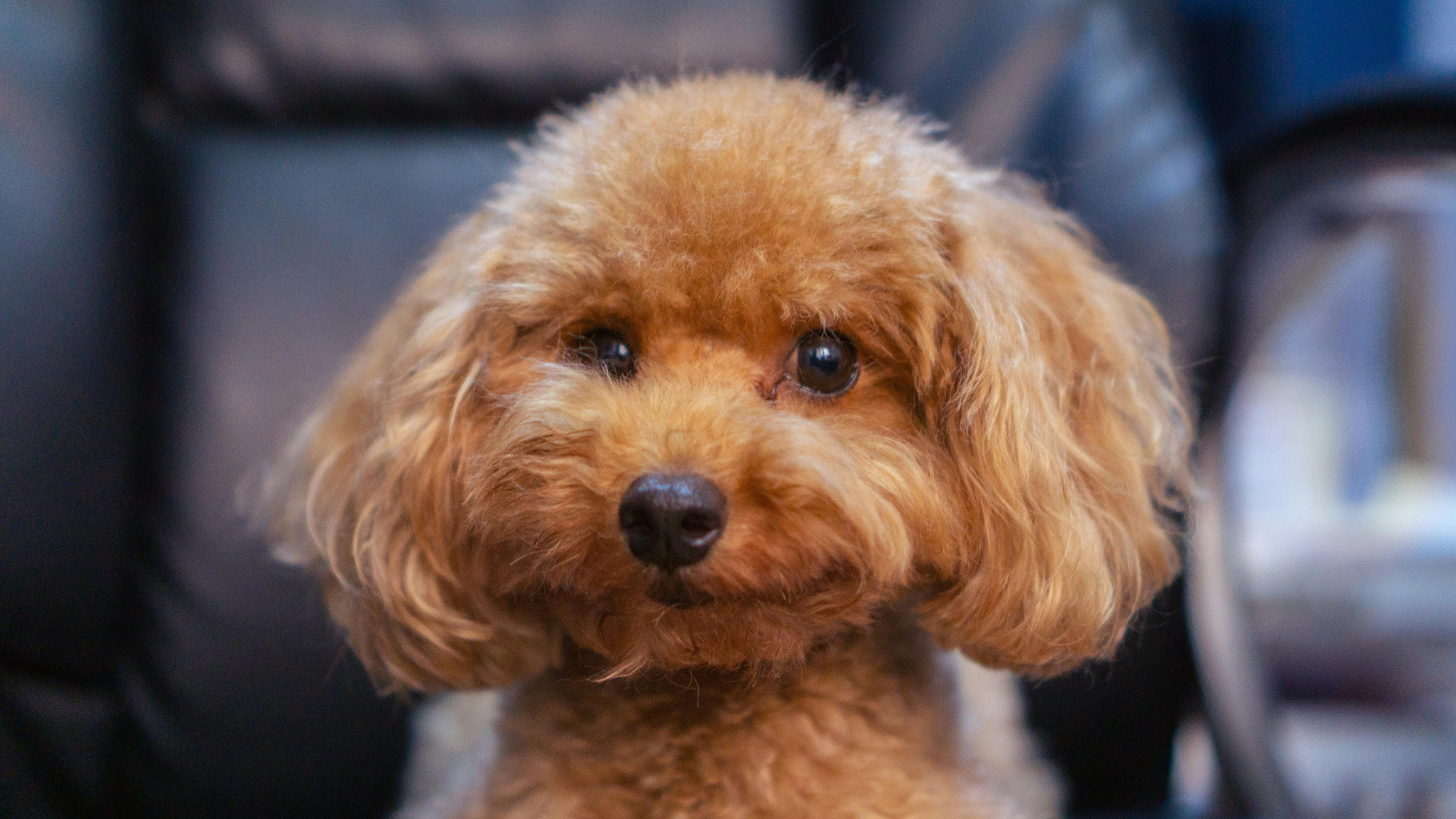
In most cases, yes. Hair can regrow once allergies are properly controlled and the skin has time to heal. If skin damage is not severe, fur typically starts to return within a few months.
Hair regrowth depends on several factors such as duration of allergy, severity of skin inflammation or damage, presence of secondary infections, overall health, and nutritional status. Early treatment supports faster and more complete recovery.
How to Prevent Allergy-Related Hair Loss?
Prevention is easier than treatment. Consistent care can significantly reduce the risk of allergy-related hair loss.
Follow these tips to prevent allergy related hairloss:
- Maintain regular flea prevention
- Provide a high-quality, balanced diet
- Use gentle and skin-friendly shampoos
- Schedule routine veterinary checkups
- Address itching at the earliest signs
- Avoid harsh chemicals and irritants
- Regularly monitor your dog’s skin and coat to identify problems before they worsen.
When to See an ANF Animal Practitioner?
You may consider consulting an ANF Animal Practitioner in the following situations:
- When your pet has ongoing itching, redness, or skin irritation
- If allergies continue to return despite routine care
- When you are seeking a non-invasive, drug-free support option
- If your pet shows discomfort linked to seasonal or environmental allergies
- When traditional approaches are limited or poorly tolerated
- As a complementary option alongside veterinary care
- For general wellness and immune system support
Final Thoughts: Can Allergies Cause Hair Loss in Dogs?
Allergies are a common cause of hair loss in dogs. Early management helps protect the skin barrier and supports healthier coat regrowth.
ANF Animal Therapy® offers a non-invasive and chemical free approach that supports the body’s natural healing mechanisms. When combined with proper nutrition, routine care, and veterinary guidance, it may help reduce itching, limit further hair loss, and promote healthier fur over time.