
Latest
From Recovery to Performance: How Frequency Therapy Can Support Working and Sport Animals


If your animal works, competes, or trains regularly, their body is under constant demand. Whether you care for a sport horse, a working dog, or another high-performance animal, you already understand that performance is not only about training harder. It is about how well your animal recovers, adapts, and maintains balance over time.
Performance therapy animals need consistent support that helps them stay comfortable, resilient, and functional. While veterinary care remains essential, many owners now recognise that pills, injections, and rest alone do not always address the full picture. This is where non-invasive approaches such as ANF Animal Therapy® can play a valuable supportive role.
Why Recovery Is the Foundation of Performance
Recovery is not passive rest. Recovery is an active biological process that allows tissues to repair, inflammation to resolve, and the nervous system to recalibrate. Every training session, competition, or working task creates micro-stress within muscles, joints, tendons, and nerves.
If recovery is incomplete, your animal may still perform, but efficiency gradually declines. You may notice stiffness, slower warm-up, reduced stride quality, behavioral changes, or longer recovery times. These signs often appear before a clear injury develops.
Supporting recovery early helps protect your animal’s performance, comfort, and long-term soundness.
The Nervous System Drives Movement and Adaptation
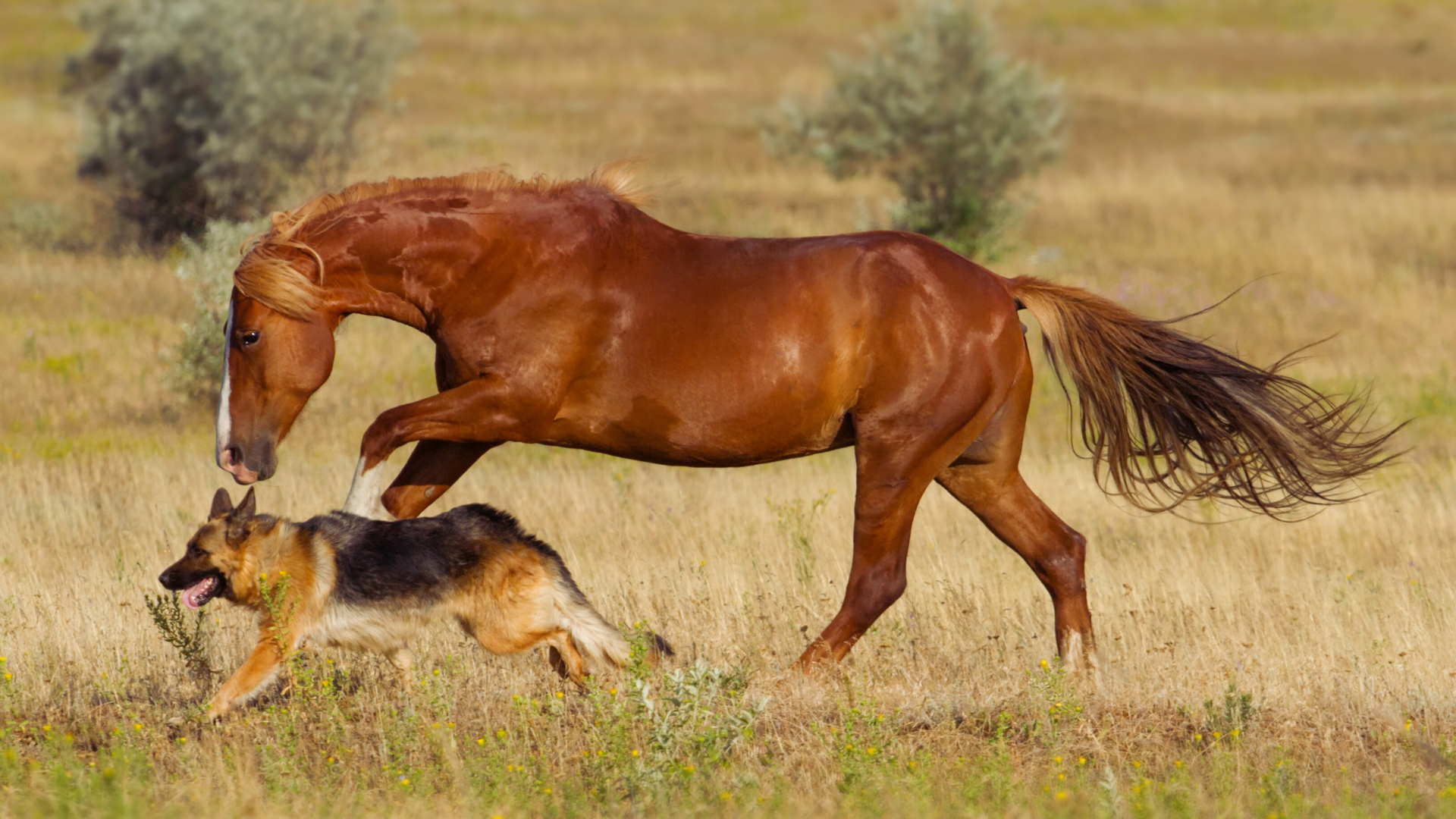
Every movement your animal makes begins with a neurological signal. The nervous system coordinates muscle activation, joint stability, balance, and timing. When neural communication functions smoothly, movement looks fluid and controlled.
Stress, repetitive workload, injury, inflammation, and emotional tension can disrupt this communication. Muscles may remain overactive when they should relax. Other muscles may fail to activate fully. These imbalances increase strain and reduce efficiency.
Supporting neurological balance helps the body organise movement more effectively and reduces unnecessary compensation.
Common Challenges in Sports Animals
Many performance animals continue working despite early dysfunction. Clear pain responses often appear late. Understanding common recovery challenges helps you intervene sooner. The following are common challenges of sports animals:
- Muscular fatigue and tightness develop when repeated exertion causes microtrauma and increased muscle tone. Tight muscles lose elasticity and coordination, which increases effort during movement.
- Tendon and ligament strain occur because soft tissues adapt slowly to load. Without adequate recovery, tissue integrity becomes compromised over time.
- Inflammation and swelling can persist after intense work or injury. Prolonged inflammation delays healing and increases pain sensitivity.
- Restricted mobility develops when protective muscle guarding limits joint range of motion. Altered biomechanics place stress on other structures.
- Neuromuscular imbalance affects balance, stride symmetry, and coordination. Even small disruptions can reduce performance quality.
Limitations of Conventional Recovery Approaches
Traditional recovery methods remain important. However, they may not fully address neurological regulation.
- Rest and controlled exercise are necessary for tissue healing. They may not resolve neuromuscular dysfunction on their own.
- Pharmacological management helps manage acute pain and inflammation. It does not correct underlying movement patterns or neural coordination.
- Manual and physical therapies such as massage, physiotherapy, laser, and chiropractic care address mechanical components. Neurological balance may still require additional support.
When issues persist or recur, it often indicates nervous system involvement. Supporting this system helps complete the recovery process.
What Is ANF Animal Therapy®
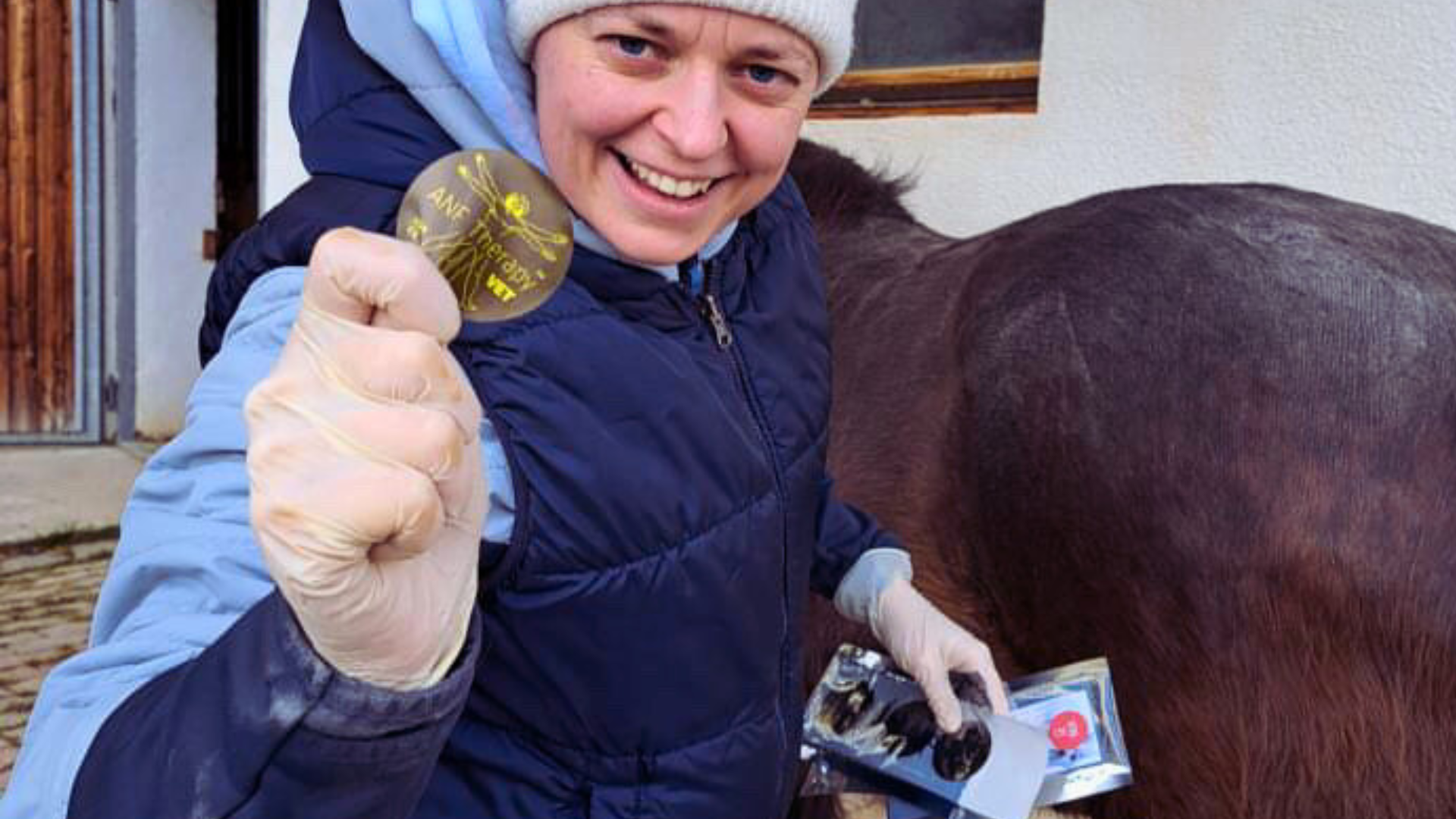
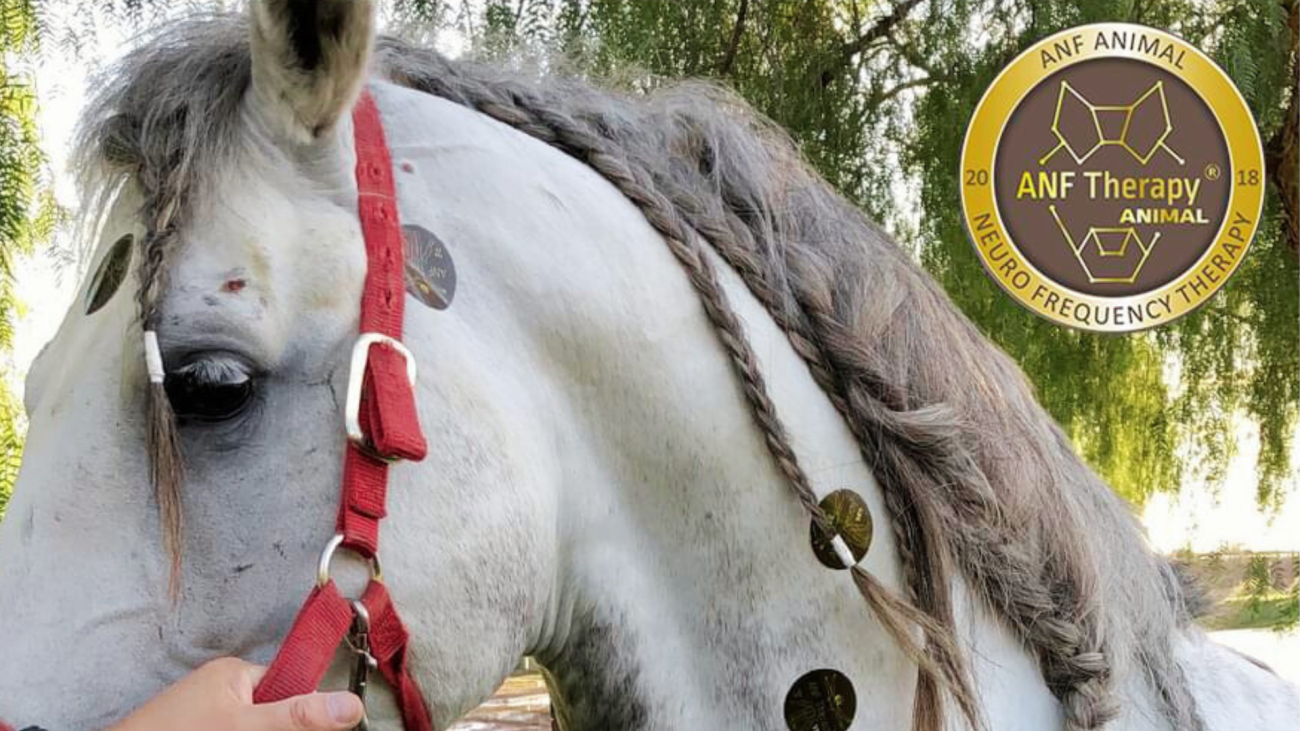
ANF Animal Therapy® is a non-invasive, drug-free approach that supports the body’s natural healing mechanisms. It uses frequency discs to support neurological and physiological regulation. These discs are applied externally to animal’s skin.
The therapy does not force change. It supports the body’s ability to self-regulate and adapt. This makes it suitable for working animals, sport animals, and senior animals who require gentle yet effective support.
How Frequency Therapy Supports Recovery
Frequency therapy focuses on functional balance rather than isolated symptoms. When applied appropriately, it may support nervous system communication, muscle relaxation, and adaptive movement patterns.
For you as an owner, this means your animal may recover more comfortably between sessions, tolerate training better, and maintain consistency in performance.
The therapy integrates well with veterinary care, rehabilitation programs, and performance training plans.
Supporting Sport Horses
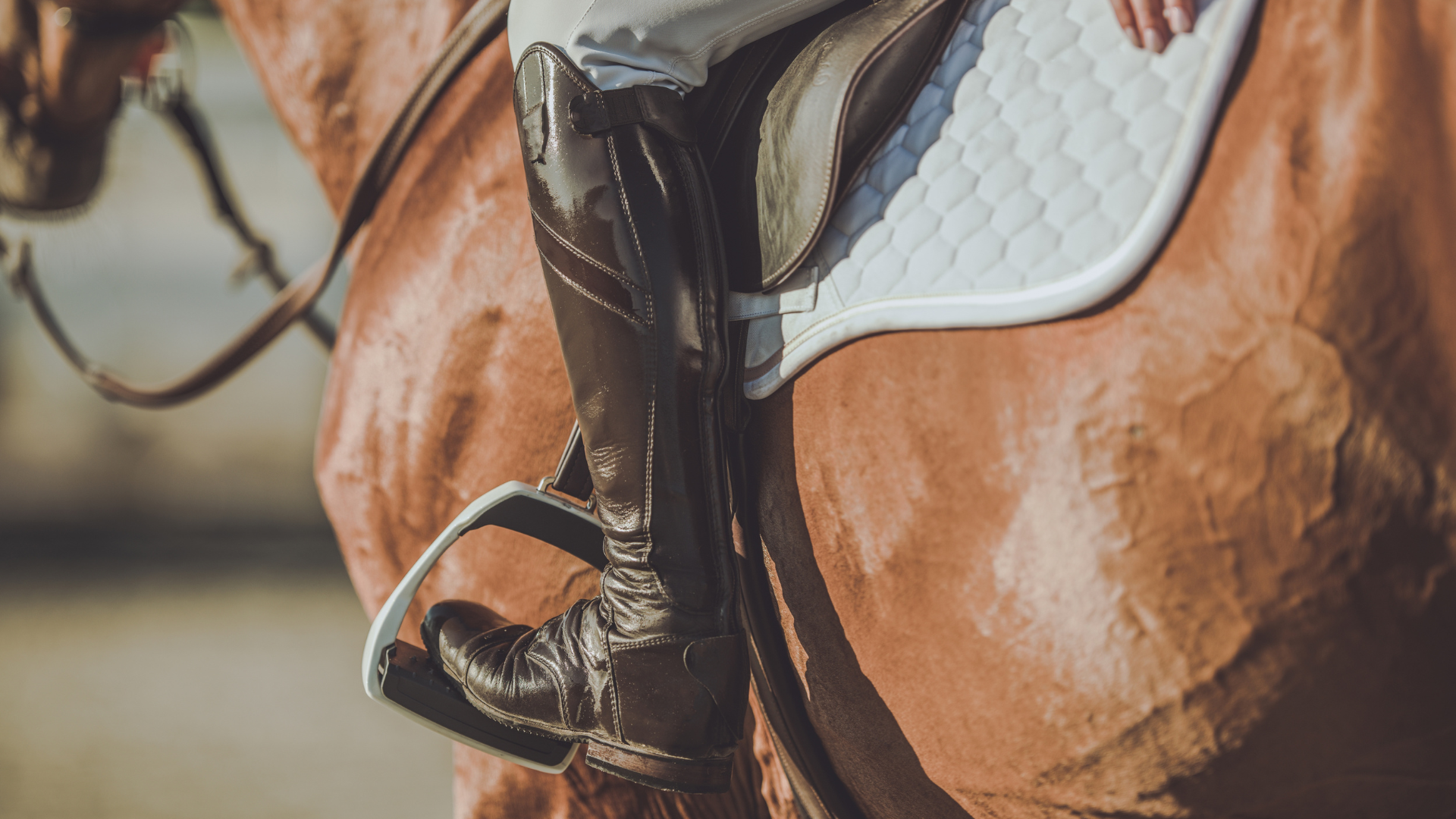
Sport horses experience high physical demand. Balance, coordination, and recovery directly affect performance quality.
Frequency therapy may support postural balance, muscle tone regulation, and recovery after training or competition. Reducing unnecessary tension allows smoother gait patterns and improved symmetry.
Owners often use frequency therapy between training cycles to support recovery and reduce cumulative stress.
Supporting Working and Sport Dogs
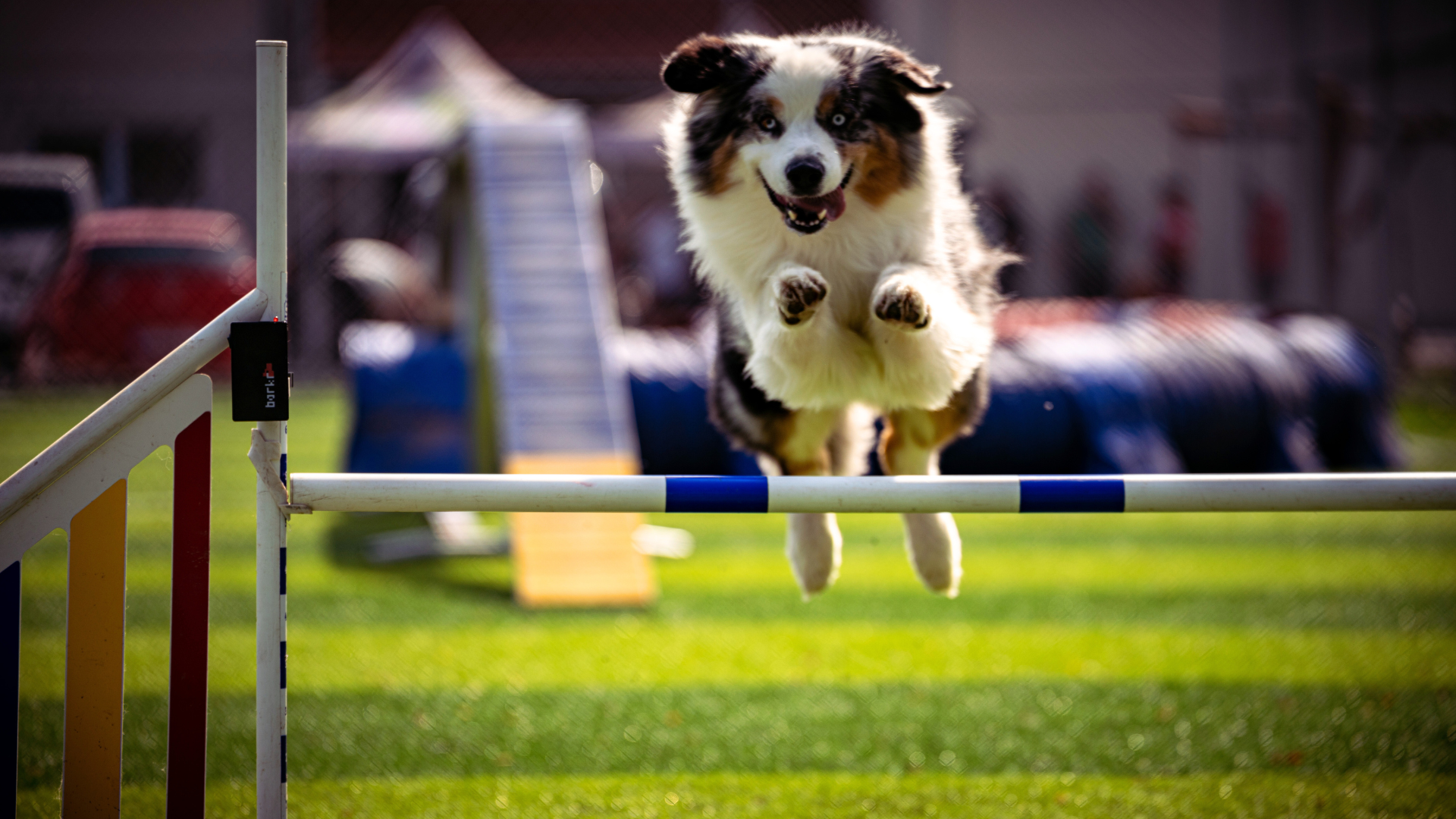
Working dogs rely on speed, power, coordination, and focus. Their workload places stress on muscles, joints, and the nervous system.
Frequency therapy may support recovery after intense activity and help regulate stress responses. Calmer neurological function often supports better engagement, coordination, and resilience during work.
Supporting Farm and Service Animals
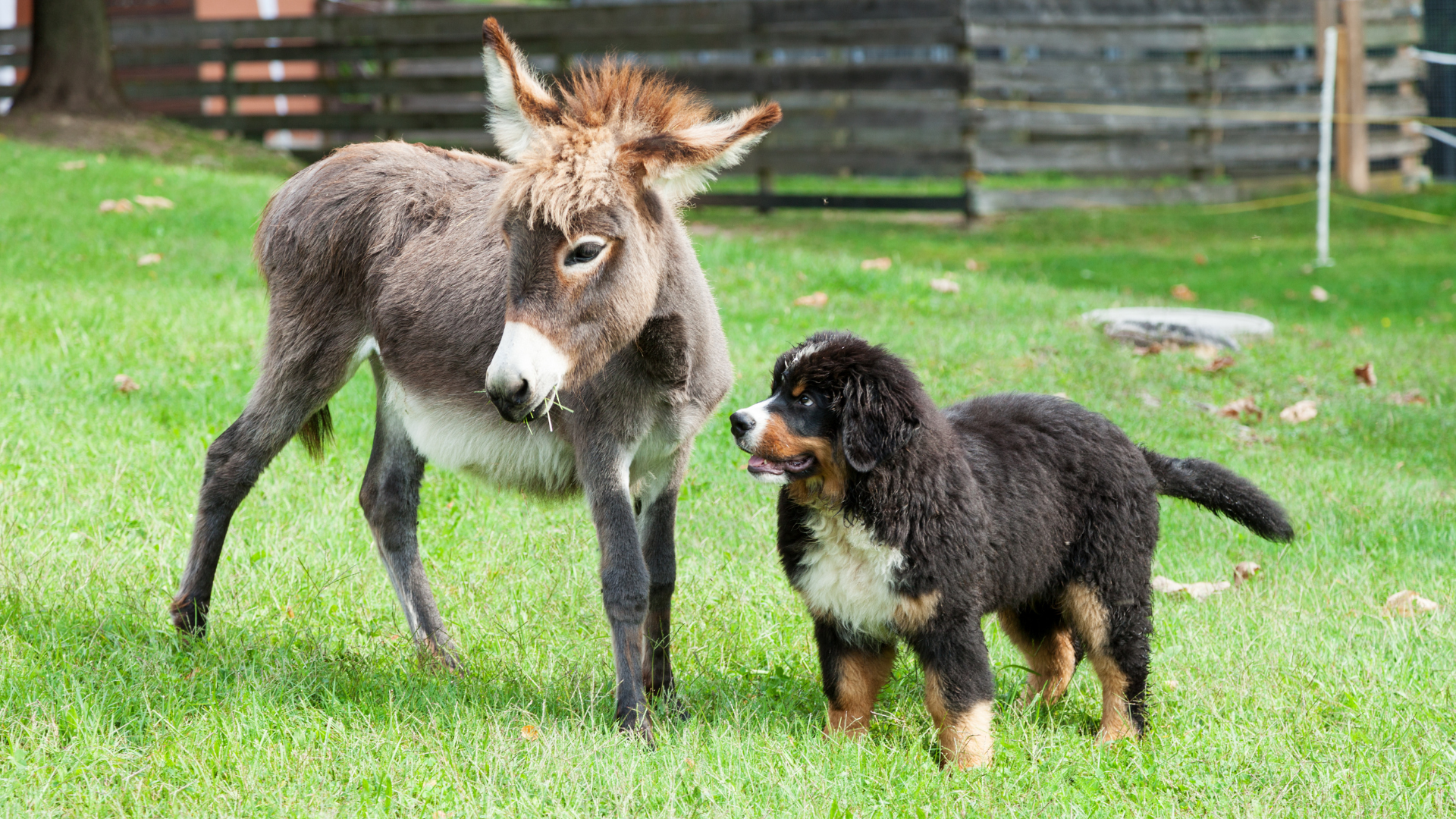
Animals involved in daily labor face repetitive strain rather than peak performance stress. Over time, this can lead to chronic discomfort and reduced function.
Frequency therapy may support adaptive movement and comfort, helping these animals continue working safely and comfortably.
Performance Is Not Only Physical
Longevity and Injury Prevention
Longevity depends on maintaining functional balance over time. Small dysfunctions that go unaddressed often lead to larger problems.
Frequency therapy supports early intervention by helping restore balance before structural damage develops. This proactive approach helps extend your animal’s working life.
Integrating Frequency Therapy Into Your Animal’s Care
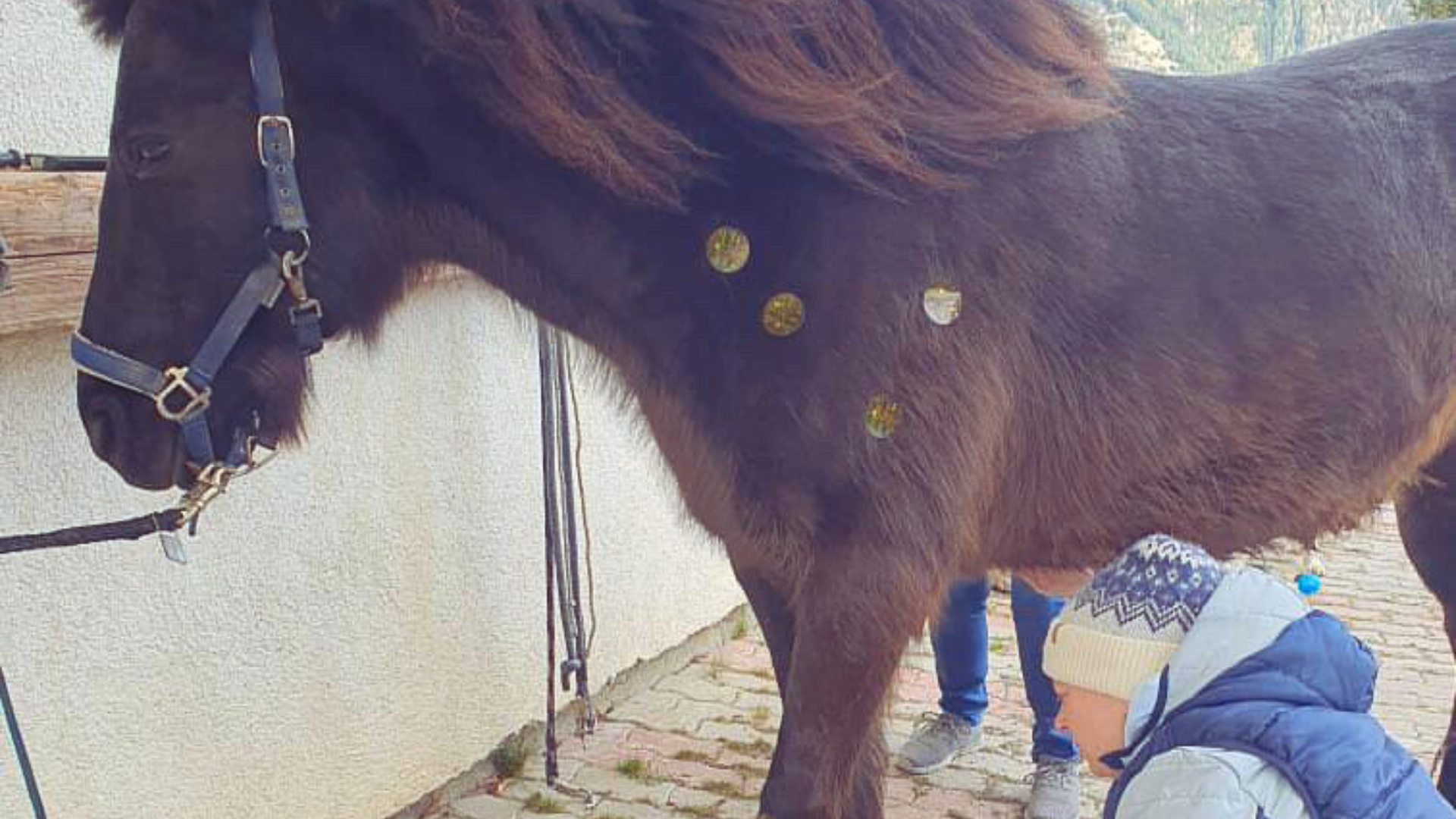
ANF Animal Therapy® works best as part of a broader care plan, alongside veterinary assessment, appropriate training, nutrition, and rest, which remain essential.
Frequency therapy supports these foundations rather than replacing them. Collaboration with trained practitioners ensures appropriate disc selection and ethical application.
What Owners Commonly Observe
Owners frequently report improved comfort, smoother movement, calmer behavior, and better tolerance to exercise in their animals after ANF Animal Therapy® sessions.
Veterinary professionals often note improved response to rehabilitation and easier progression through recovery phases.
Safety and Responsible Use
ANF Animal Therapy® is non-invasive and applied externally. It does not interfere with medications or procedures when used correctly. It is used under professional guidance and ongoing observation. Your animal’s welfare always comes first.
Supporting Your Animal’s Full Potential
Supporting recovery protects the health, comfort, and performance of your animals.
When neurological balance improves, movement becomes more efficient. Recovery becomes more complete, and performance becomes more sustainable. ANF Animal Therapy® provides a structured way to support these processes without adding chemical or physical stress.
Conclusion
From recovery to performance, your animal’s nervous system plays a central role in how well they move, adapt, and endure workload. Frequency therapy offers a non-invasive, supportive approach that aligns with the body’s natural healing mechanisms.
ANF Animal Therapy® fits into modern animal care by supporting recovery, comfort, and functional balance across working, sport, and performance animals. When used alongside veterinary care, it becomes a valuable tool for enhancing performance, protecting longevity, and improving overall quality of life.